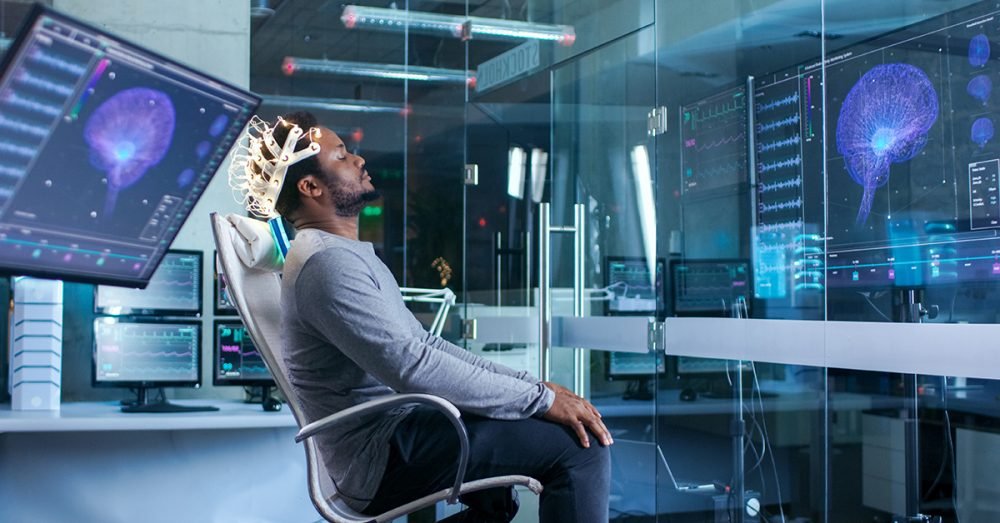





























































more challenging. To overcome this, researchers developed a sophisticated large-scale brain model using high-quality intracranial electroencephalogram (EEG) data.
With the help of this model, researchers were able to accurately interpret participants’ intentions to speak. The model achieved an accuracy rate of over 83 percent in recognizing initial consonants and more than 84 percent for vowels, setting a leading benchmark in the field. The participants, who had been diagnosed with epilepsy and had existing intracranial electrodes for clinical monitoring, completed only 100 minutes of training before they were able to read aloud 54 different Chinese characters through thought alone.
Li Meng, chief scientist at the Yansi Institute, stated that this innovation signifies a major leap forward in the ability to convert brain activity into written language. While the current focus is on aiding patients with speech loss, the technology holds potential far beyond medical applications. Future developments may allow users to control intelligent devices, explore virtual environments, or even generate artwork using only their thoughts.
This advancement aligns with a broader global push toward the integration of neuroscience and artificial intelligence. International efforts from companies like Neuralink and leading universities have also been pursuing similar goals, but Shanghai’s success in decoding a tonal and complex language like Mandarin sets it apart as a key achievement in the BCI space.
As brain-computer interface technologies move closer to mainstream applications, questions surrounding ethical considerations, data privacy, and long-term safety are increasingly important. Experts agree that these innovations must be guided by responsible practices to ensure user trust and safety.
Nonetheless, the potential is immense. For individuals who have lost their ability to speak, this technology could restore the most fundamental form of human connection—communication. It may also open the door to entirely new ways of interacting with machines, where keyboards, screens, and even voices become unnecessary. With further testing and refinement, what once seemed like science fiction may soon become a life-changing reality for millions.