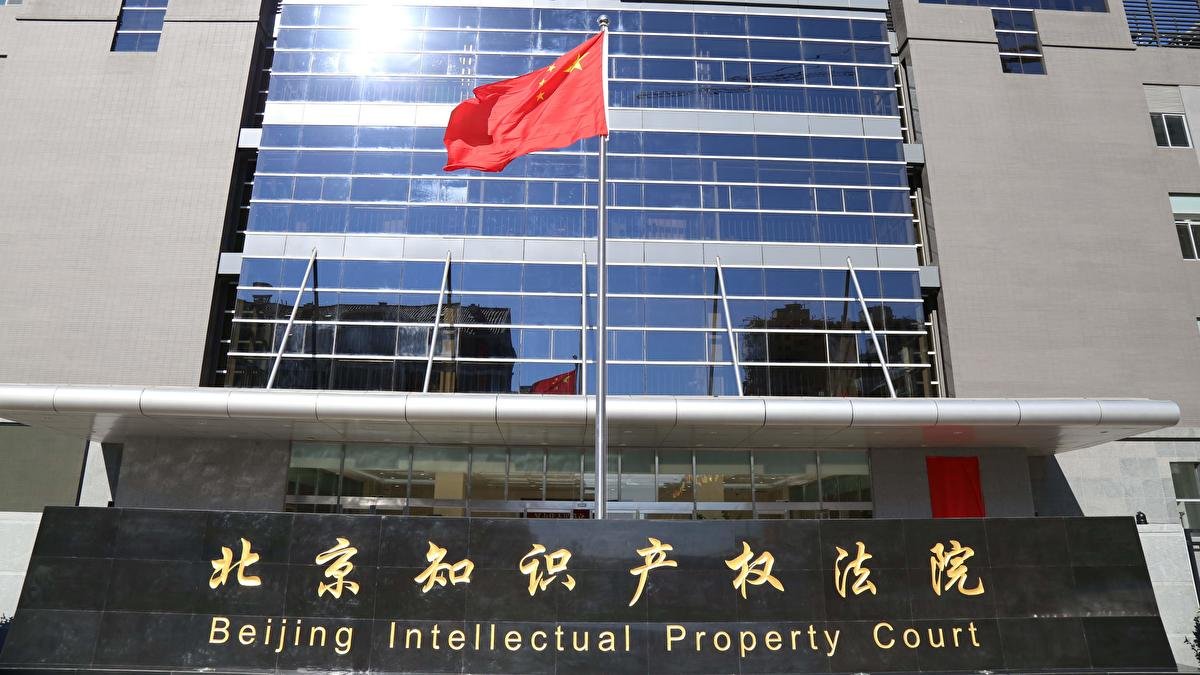




























































China’s ongoing improvements in intellectual property (IP) protection are making a noticeable impact on the international business landscape, with an increasing number of foreign innovators choosing to register their trademarks and invest in the country. As legal frameworks tighten and enforcement strengthens, global enterprises are finding greater confidence in China’s commitment to safeguarding innovation and combating infringement.
According to newly released data from the China National Intellectual Property Administration (CNIPA), the first half of 2025 saw 94,000 trademark registration applications filed by foreign entities, representing a 7.4 percent increase compared to the same period last year. Applications from major global economies such as Germany, Italy, and the United States showed particularly strong growth, each recording over 20 percent year-on-year increases.
These figures are not just statistical gains—they serve as a reflection of China’s ongoing efforts to build a fairer, more predictable, and innovation-friendly business climate. CNIPA Director Shen Changyu emphasized that China continues to uphold equal treatment for both domestic and foreign market players, particularly in the realm of intellectual property rights. This evolving legal and enforcement environment is seen as a strategic foundation for attracting foreign capital and technology.
IP protection has become a cornerstone of China’s broader economic transformation. As the country shifts from manufacturing-led growth to high-tech and service-driven innovation, safeguarding intellectual property is crucial for attracting and retaining international businesses. Hu Wenhui, CNIPA’s deputy director, highlighted that legal reform and international cooperation are at the heart of this effort.
China has joined nearly all major global IP treaties, Hu noted, including the World Intellectual Property Organization (WIPO) treaties and the Patent Cooperation Treaty (PCT). In parallel, the country has updated several of its domestic laws, most notably the Patent Law, which now includes some of the world’s strictest punitive compensation mechanisms for IP infringement. Ongoing revisions to the Trademark Law and regulations for integrated circuit layout design are also in progress, and foreign stakeholders have been invited to participate in these legislative consultations.
Hu stressed that this process has been inclusive and collaborative. Foreign-funded enterprises, as well as international chambers of commerce, have actively contributed to shaping China’s IP laws, ensuring that reforms align with global standards and meet the expectations of multinational investors.
Recent high-profile enforcement actions further underscore China’s dedication to IP protection. In March 2023, authorities in Tongling, Anhui province, dismantled a criminal network involved in the production and sale of counterfeit foreign-branded hair dryers. The operation led to the arrest of 16 suspects, the shutdown of 10 illegal production and distribution sites, and the seizure of more than 1,100 counterfeit appliances along with over 30,000 packaging components. The total value of the seized items exceeded 40 million yuan, approximately 5.6 million US dollars.
The Ministry of Public Security revealed that foreign brand owners sent a formal letter of appreciation to local authorities in Tongling, praising their swift and effective actions. The case has since become a model example of law enforcement supporting foreign enterprises in maintaining their intellectual property rights in China.
To further facilitate business operations, CNIPA has established 128 national-level IP service centers across the country. These centers have already served over 8,000 foreign-funded and joint venture companies, offering professional IP guidance, streamlined registration services, and preferential policy access on par with domestic firms.
Hu also detailed efforts to build stronger communication channels with international investors, including the organization of seminars, research visits, and roundtable discussions to better understand and resolve IP-related challenges faced by foreign businesses in China.
At the same time, the administration is helping Chinese enterprises manage IP risks abroad. As more domestic companies expand globally, CNIPA and related agencies have stepped up to provide strategic support and legal guidance for handling overseas IP affairs. By the end of 2024, such efforts had helped Chinese innovators recover economic losses totaling 38.04 billion yuan due to foreign IP disputes or infringements.
Looking ahead, Chinese authorities are pledging even stronger protections for intellectual property. Hu stated that the government will continue building a business environment that is fair, just, and nondiscriminatory, with the goal of attracting more foreign investment and facilitating innovation across borders. Additional training will also be offered to legal professionals to enhance their capacity for handling foreign-related IP disputes, further aligning China’s legal infrastructure with international expectations.
As global companies increasingly seek secure and innovation-friendly environments, China’s commitment to reinforcing IP protection is positioning it as a more attractive destination—not only for production and market access but also as a hub for cutting-edge research, development, and brand growth.