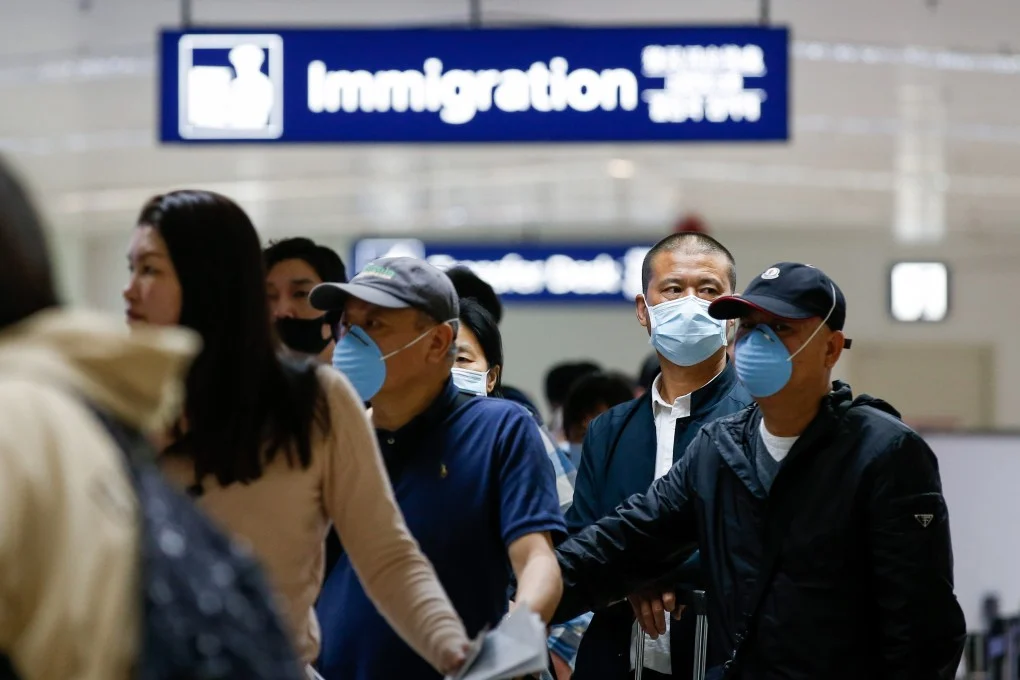



























































China’s Ministry of Education has issued a rare overseas study safety alert, urging Chinese students to exercise caution before traveling to the Philippines for academic pursuits. The alert, announced on Friday, comes amid growing concerns over the safety of Chinese nationals in the country, including reports of increasing criminal incidents involving students and expatriates.
According to the Ministry of Education, prospective Chinese students are advised to thoroughly assess the security environment and take appropriate precautions before committing to studying in the Philippines. The advisory highlights an uptick in crime, some of which allegedly targets Chinese citizens, fueling broader anxieties about personal safety and the overall security situation for international students in the region.
While the ministry did not provide specific incident details, the issuance of such an alert is highly uncommon and signals significant concern. Previously, similar warnings were only released under extraordinary circumstances. For instance, in April 2024, Chinese authorities issued a study alert for students considering education in Ohio, USA, after the state passed legislative measures perceived as unfriendly toward China in a higher education context. Before that, the ministry had released alerts for Australia in 2020 and 2021, citing rising anti-Chinese sentiment and discrimination during the height of geopolitical tensions and the COVID-19 pandemic.
The current advisory concerning the Philippines comes against the backdrop of increasingly strained relations between Beijing and Manila, particularly over maritime disputes in the South China Sea and recent security collaborations between the Philippines and the United States. Analysts suggest these diplomatic tensions may be spilling over into societal attitudes and local incidents affecting Chinese nationals.
China has one of the largest outbound student populations in the world, with tens of thousands studying across Asia, North America, Europe, and Oceania each year. Safety and stability in host countries are a top priority for students and their families when selecting study-abroad destinations. Alerts from the Chinese Ministry of Education, though infrequent, often lead to notable shifts in application trends, especially when they impact nations perceived to be high-risk or politically sensitive.
Education experts also note that the Philippines has been a popular choice for Chinese students pursuing affordable English-language education, particularly in medical, dental, and aviation programs. Some students are drawn by shorter program durations and lower tuition costs compared to Western countries. However, the newly issued alert may now prompt students to reconsider and explore alternatives in neighboring countries such as Malaysia, Singapore, or Thailand, where safety conditions are perceived to be more favorable.
Local Chinese embassies and consulates often provide support services to students abroad, including hotlines, emergency assistance, and coordination with local authorities in the event of a crisis. It is expected that Chinese diplomatic missions in the Philippines will now bolster these services in anticipation of rising concerns among students and their families.
The Ministry of Education has reiterated that safeguarding the wellbeing of students abroad remains a top priority and that it will continue to monitor developments in the Philippines closely. Students currently in the country are advised to stay informed, register with local Chinese embassies, maintain regular communication with their families, and avoid areas known for criminal activity.
This development could have broader implications not just for student mobility, but also for bilateral educational exchanges, joint academic programs, and future recruitment from China to Philippine institutions.
As China continues to issue alerts and reassess international study destinations based on safety, students and education agents alike are urged to stay updated through official channels and weigh their options carefully.