






















































China has uncovered a sweeping cover-up in a lead poisoning scandal that left over 200 children ill in the northwestern province of Gansu. A government report released on Sunday details how officials, educators, and medical staff at multiple levels attempted to conceal the severity of the incident, which originated at Peixin Kindergarten in Tianshui city.
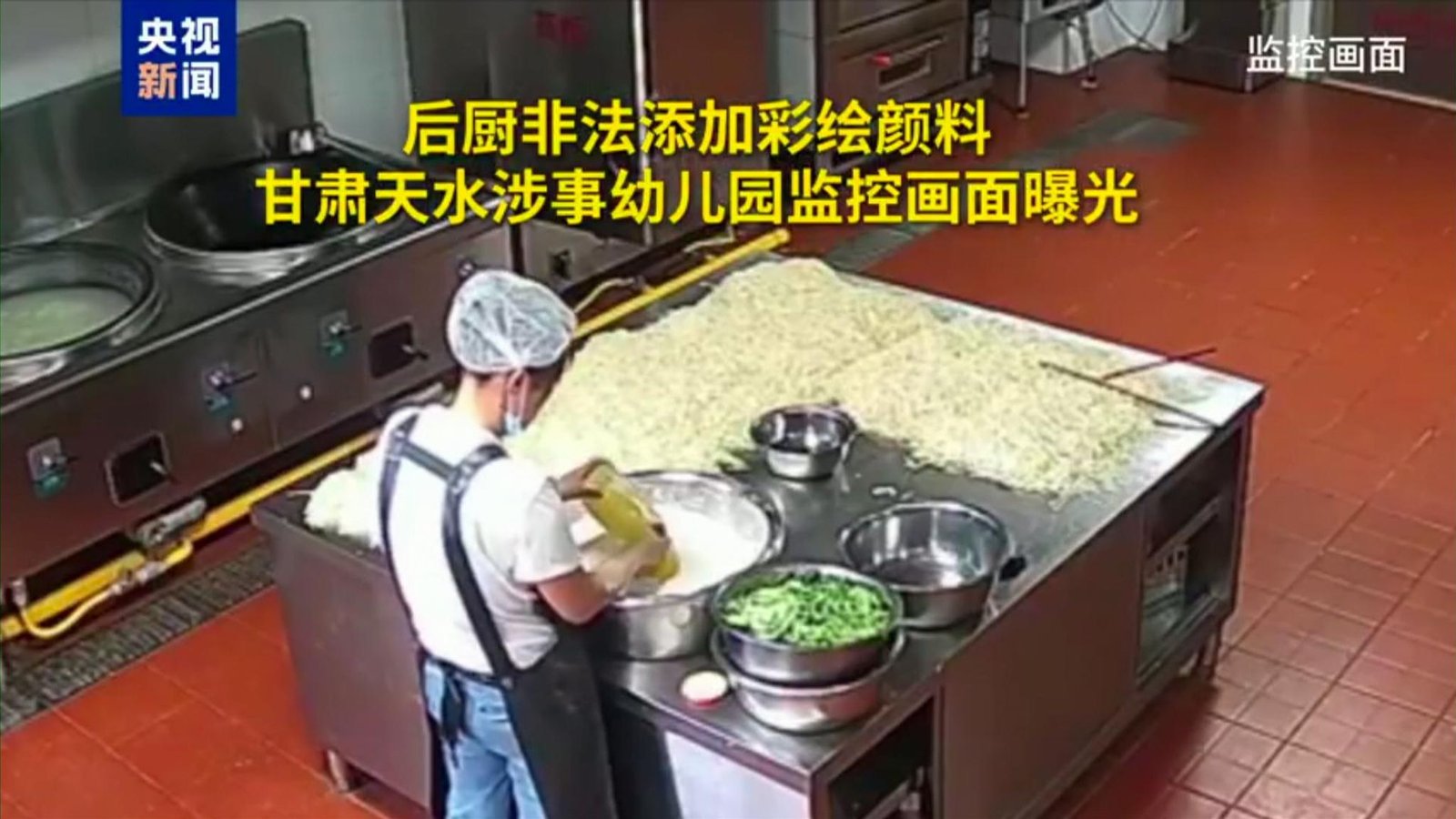
According to the findings, staff at the privately operated kindergarten used inedible industrial paint to make food appear more colorful and appealing in an effort to boost student enrollment. Meals including steamed red date cakes and sausage corn buns were later found to contain lead at levels up to 2,000 times above the national safety limit.
A total of 235 children were confirmed to be suffering from lead poisoning, with most requiring hospitalization. As of Sunday, 234 have been discharged, though their families continue to worry about the long-term health implications. The incident triggered nationwide outrage and scrutiny over food safety standards and local governance.
Authorities found that dozens of individuals, including city officials, hospital staff, and disease control officers, had played a role in covering up the scandal. Blood test results were falsified, safety inspections were bypassed, and key reports were delayed or suppressed. Investigators also uncovered that local officials accepted bribes from an investor in the kindergarten, compromising their regulatory duties not only at Peixin but across other pre-schools in the region.
Eight individuals were initially detained, with six now arrested, including the kindergarten’s principal, kitchen staff, and an investor. Ten additional government employees face administrative penalties, and 17 more are under formal disciplinary investigation. The staff at Tianshui No. 2 People’s Hospital came under particular scrutiny, accused of severe negligence in handling blood tests, with distorted results leading to delays in diagnosis and treatment.
The Gansu Provincial Center for Disease Control and Prevention was also faulted for failing to respond promptly when early symptoms were reported among children. Officials accused the center of ignoring proper testing protocols and downplaying the risk.
The Chinese public has reacted strongly to the incident online, with many users demanding justice and long-term support for the children and their families. While some commended the central government for intervening swiftly, there is widespread frustration over the lack of early oversight and the involvement of so many officials in the cover-up.
In response to the scandal, China released new national food safety guidelines for school campuses. These measures require that all batches of food be tested before distribution and that core staples such as rice, flour, and cooking oil be sourced through approved procurement channels. The new rules aim to restore public confidence in school nutrition programs, especially in private institutions.
Tianshui officials have promised free medical treatment for affected children at designated hospitals and announced that legal assistance will be provided to families seeking redress. The kindergarten will now be temporarily managed by a state-owned educational institution.
The scandal has renewed public concern over recurring food safety failures in China, especially those affecting vulnerable groups such as children. The deliberate use of toxic substances in school meals has been labeled by commentators as one of the most egregious examples of negligence and greed in recent memory.
Authorities continue to investigate, and further arrests and disciplinary actions are expected. Parents in the region have been urged to remain alert to symptoms of lead poisoning, while long-term monitoring of affected children is underway.