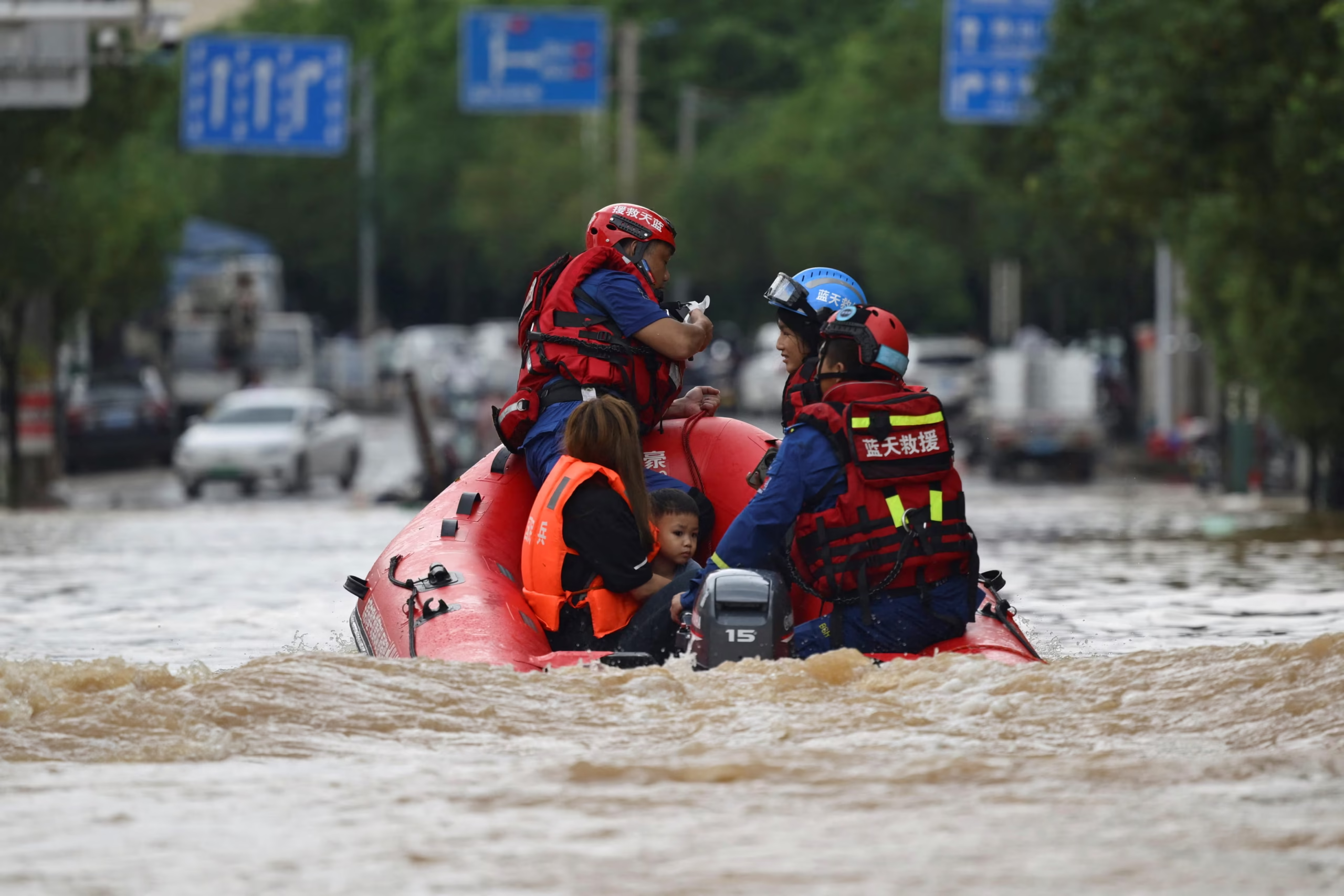

























































China is bracing for a critical period of extreme weather, with authorities warning of simultaneous risks of severe flooding and regional droughts across large parts of the country in the coming weeks. Officials from the Ministry of Water Resources have intensified preparations as forecasts indicate an uptick in extreme meteorological events from late July through early August, including intense rainstorms, typhoons, and potentially damaging drought spells.
Speaking at a national briefing on Wednesday, Fu Jing, director of the Ministry’s Information Center, said that northern China is particularly vulnerable to heavy rainfall and flood hazards. Forecasts suggest that multiple river systems, especially in high-risk zones, could experience water levels that exceed warning thresholds.
Key river basins likely to be affected include the middle reaches of the Yellow River, sections of the Haihe River Basin such as the Daqing, Yongding, and Beisan rivers, and parts of the Songliao River system, including the Liaohe, Huntai, and Jilin rivers. These regions are expected to experience frequent and concentrated rainfall, raising the risk of flash floods, river overflows, and infrastructure damage.
In addition to inland floods, two to three typhoons are predicted to make landfall in China during this period. While typhoons typically impact southern coastal provinces, Fu warned that strong systems may veer northward this year, posing flood risks even in inland and northern regions.
Separately, the Hainan Provincial Meteorological Bureau reported that the sixth typhoon of the year could form over the western Pacific within the next two days. According to spokesperson Cai Qinbo, the system is expected to enter the South China Sea around Saturday, potentially impacting Hainan province with heavy winds and torrential rains early next week.
In anticipation of these threats, Vice-Minister of Water Resources Wang Baoen confirmed that 2,792 flood control officials have been deployed nationwide. These personnel are tasked with overseeing major rivers, critical reservoirs, flood detention zones, and high-risk urban areas. Their work is coordinated across multiple departments to ensure swift, centralized responses to emergencies.
“We are strengthening accountability, improving decision support systems, and refining our command and dispatch mechanisms,” Wang said. He also revealed that 23 provinces have set up specialized flood and drought prevention centers, which are responsible for real-time monitoring, issuing early warnings, and coordinating frontline emergency efforts.
The Ministry of Water Resources has implemented daily rolling assessments to track weather developments and hydrological data, with alerts and instructions disseminated directly to local personnel in affected regions. Authorities are also prioritizing forecast accuracy, timely evacuation protocols, and rapid mobilization of emergency services.
Yao Wenguang, director of the ministry’s Department of Flood and Drought Disaster Prevention, emphasized the heightened risk of mountain floods and landslides, especially in southern and central provinces where elevation and soil saturation can amplify the destructive power of sudden downpours. Yao noted that the ministry is enhancing early-warning systems and ensuring that alerts are promptly followed by on-the-ground emergency actions.
In tandem with flood control, the ministry is also working to safeguard communities from the effects of intermittent droughts, which can paradoxically occur during the rainy season due to uneven rainfall distribution. Some regions may experience periods of intense dryness even as others flood. To address this, officials are focusing on optimizing irrigation, conserving water resources, and ensuring a reliable supply of safe drinking water, particularly in rural and agricultural areas.
Zhang Wenjie, director of the Department of Water Project Operation Management, said the ministry plans to reinforce 2,177 reservoirs across the country this year, including large and medium-sized facilities. Reservoirs that have previously been compromised by extreme flooding, seismic activity, or that exhibit unusual safety issues will undergo specialized inspections and immediate structural reinforcements.
China’s comprehensive flood and drought preparedness campaign comes amid a global uptick in extreme weather events, driven in part by climate change. Record rainfall, unprecedented heatwaves, and shifting typhoon paths have placed added pressure on infrastructure and emergency response systems in countries across Asia, including China.
Experts warn that in addition to the immediate threat to life and property, these weather extremes could have long-term economic impacts, including damage to crops, disruptions to supply chains, and pressure on urban drainage systems. The Chinese government has increasingly emphasized climate resilience and risk mitigation as key priorities in national planning.
With the high-risk period now underway, authorities are urging local governments and citizens alike to remain alert, follow safety instructions, and cooperate with emergency services to minimize loss of life and damage. As climate patterns become more unpredictable, China’s approach underscores the need for early warning systems, infrastructure upgrades, and coordinated national response mechanisms.