
























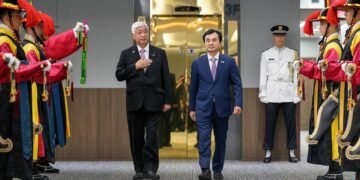



































China has voiced strong opposition to Japan’s deepening engagement with NATO, accusing Tokyo of interfering in its internal affairs and fueling regional instability. The comments came after Japanese Prime Minister Shigeru Ishiba met with NATO Secretary General Mark Rutte and pledged Japan’s continued leadership in strengthening NATO’s presence in the Indo-Pacific region.
During the meeting, Ishiba asserted that a strong NATO serves Japan’s interests and emphasized Tokyo’s commitment to expanding cooperation between the alliance and its regional partners. The two leaders also issued a joint statement touching on several contentious issues, including the East and South China Seas and Taiwan—comments that Beijing strongly rejected.
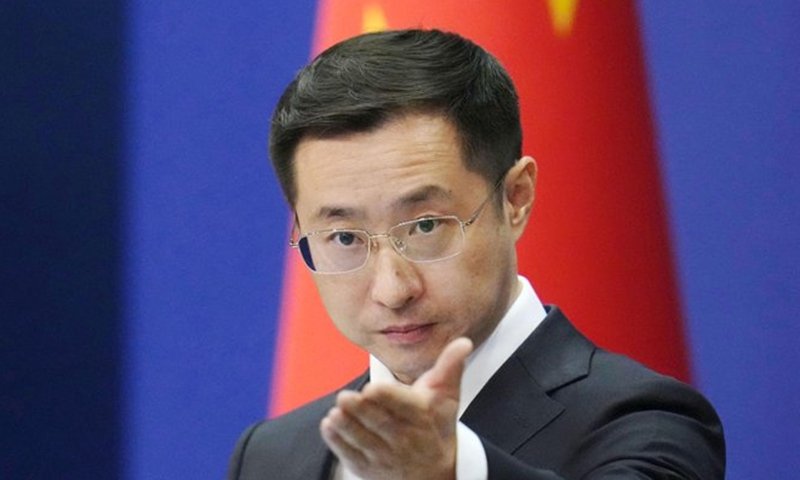
Responding at a press briefing on Friday, Chinese Foreign Ministry spokesperson Lin Jian said Beijing was “deeply dissatisfied” and firmly opposed to what it called Japan’s attempt to work with NATO in interfering in China’s domestic affairs and escalating tensions in the region. Lin accused both parties of promoting division and confrontation under the guise of security cooperation.
“The Asia-Pacific is a region built on collaboration and development—not a battlefield for military alliances or bloc confrontations,” Lin stated. “NATO, as a regional and defensive organization, should stay within its geographical limits and avoid extending its influence into areas beyond its original mandate.”
Lin also highlighted the sensitivities surrounding Japan’s military history, particularly as 2025 marks the 80th anniversary of the end of World War II. He urged Japan to reflect on its past and choose a peaceful and cooperative path in the region rather than aligning with military alliances. “Becoming NATO’s frontman in Asia will only result in consequences Japan will have to bear,” Lin warned.