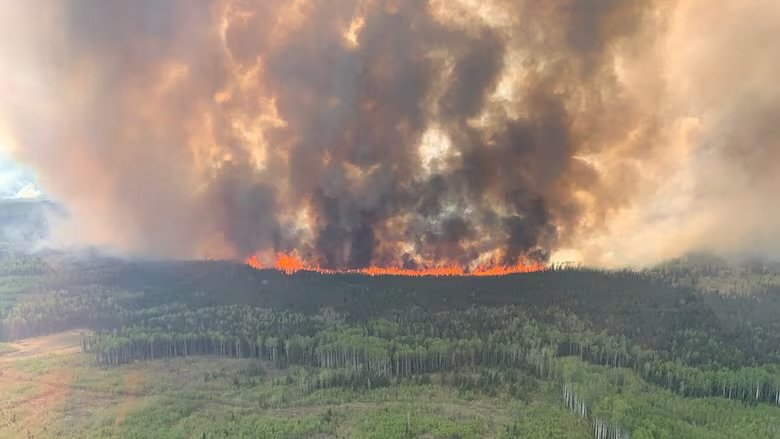
As Canada enters the height of summer, meteorologists are predicting above-average temperatures across the country, raising concerns about heightened wildfire activity. Experts are urging residents to stay vigilant as conditions become increasingly conducive to wildfires.
The forecast suggests that much of Canada will experience warmer-than-normal weather, which could exacerbate the already significant wildfire risks. This warning comes in the wake of a challenging fire season that has already seen numerous wildfires ignite across various provinces.
Wildfires are a recurring issue in Canada, particularly during the summer months when dry conditions and high temperatures create a perfect storm for fire outbreaks. The country has faced devastating wildfires in recent years, with some areas experiencing unprecedented destruction of land, wildlife habitats, and property. The 2023 wildfire season has been particularly notable, with thousands of hectares already scorched and communities threatened by advancing flames.
The increased risk of wildfires is not just a concern for local populations. The impact of wildfires extends beyond immediate fire zones, affecting air quality and contributing to climate change. Smoke from wildfires can travel vast distances, impacting air quality in regions far removed from the flames themselves. This phenomenon has been observed in previous years, where smoke from Canadian wildfires has reached as far south as the United States, affecting cities and communities across the border.
Climate change is often cited as a significant factor in the increasing frequency and intensity of wildfires. Rising temperatures and changing precipitation patterns create conditions that are more favourable for wildfires to ignite and spread. Many experts believe that as global temperatures continue to rise, the implications for wildfire activity will become even more pronounced, necessitating a reevaluation of fire management strategies.
Residents in regions at risk are advised to prepare for potential evacuations and to have emergency plans in place. Local authorities are working diligently to monitor fire conditions and respond to emerging threats. Firefighting resources are being mobilised in anticipation of increased activity, with crews on standby to combat any outbreaks that may occur.
As the summer progresses, Canadians are reminded to exercise caution. Activities such as campfires, barbecues, and other outdoor activities that could spark a fire should be approached with care, particularly in areas experiencing dry conditions. Public awareness campaigns are being launched to educate residents about fire safety and prevention measures.
In the context of global climate patterns, the situation in Canada reflects a broader trend observed in many countries around the world. Increasingly severe weather events, including heatwaves and droughts, have been linked to climate change, prompting calls for immediate action to address the underlying causes of these changes. The international community is grappling with how to adapt to and mitigate the impacts of climate change, with wildfires serving as a stark reminder of the urgent need for comprehensive environmental policies.