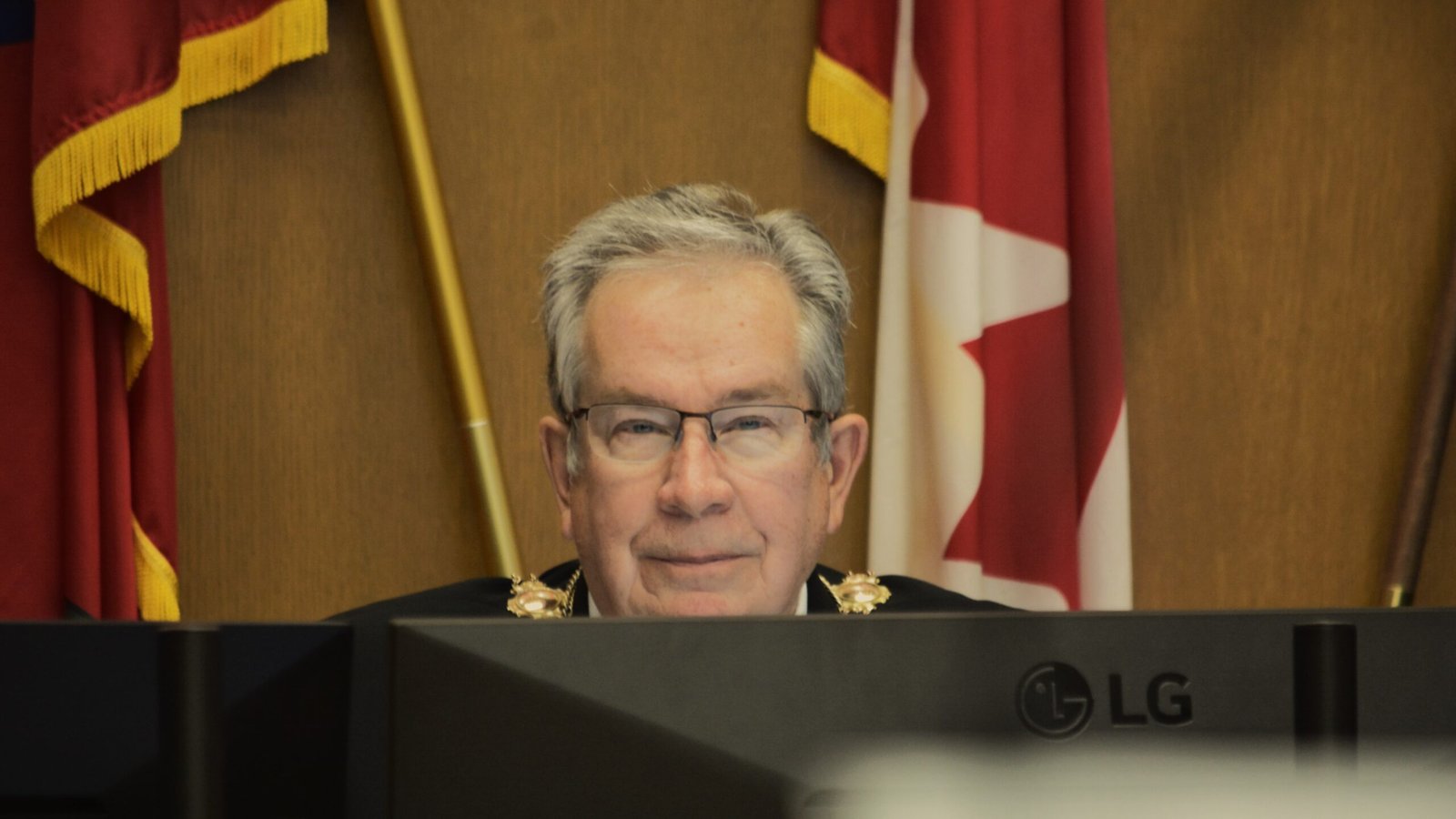



























































Peterborough Mayor Jeff Leal has come under intense criticism after using a racial slur during a guest lecture at Trent University last month. The incident, which occurred on March 19, has sparked calls for accountability and led to formal complaints and planned student demonstrations.
Leal was invited to speak to a business class at the university when, according to multiple reports, he used the N-word while recounting a historical anecdote involving former U.S. President Lyndon B. Johnson. The remark, which was captured in a recording and later published in part by Trent’s independent student newspaper Arthur, prompted immediate concern among students and campus leaders.
In the recording, Leal can be heard quoting Johnson while referring to his experience teaching Sunday school. Although the slur was redacted in the published audio, students present confirmed the use of the N-word. The Trent Central Student Association (TCSA), representing undergraduate students, condemned the remarks, saying they included not only the offensive term but also disparaging comments about both Black and Mexican communities.
Student Leaders Respond
The TCSA has filed a formal complaint with Peterborough’s integrity commissioner and plans to lead a sit-in protest at city hall on April 28. The student union is also requesting that the university take stronger steps to vet guest speakers and provide them with training on anti-racism, equity, and inclusion.
“We urge members of the Peterborough community to expect better from their elected leaders,” said TCSA President Iyiola Alade. “Racism has no place in our classrooms, in our city, or anywhere in the world.”
Alade said many students expressed that the incident made them feel unsafe, undermining the perception of the university as a welcoming and inclusive environment. Although the union hasn’t formally asked the university to ban Leal from returning, some students are calling for just that.
Mayor Issues Public Apology
Mayor Leal issued a written apology through the City of Peterborough’s website, acknowledging that his remarks were inappropriate regardless of the context in which they were said.
“I was quoting a remark attributed to Lyndon B. Johnson from the 1930s, and in doing so, I used a racial slur that is deeply offensive and hurtful,” Leal wrote. “Regardless of the context or intent, using that word was wrong. I recognize the pain it carries and the responsibility I have to speak with care and respect.”
Leal’s apology, however, has done little to ease tensions among some students and community members who feel the damage has already been done.
University Responds
Trent University issued its own statement expressing regret over the incident and acknowledging the harm caused. The administration reiterated its zero-tolerance stance on the use of racial slurs, noting that intent does not lessen the impact of such language.
The university announced plans to expand its diversity, equity, and inclusion training to all invited guest speakers moving forward, citing the need to prevent similar incidents.
Broader Community Reaction
The situation has also drawn criticism from advocacy organizations. Doreen Simpson, president of Remember the 400, a nonprofit focused on empowering Black youth, emphasized the importance of cultural sensitivity and awareness, especially when addressing diverse audiences.
“When you’re addressing a room of students from different backgrounds, you must be mindful of the language you use and how it might impact those listening,” Simpson said. “This moment is a reminder of the ongoing need for education around racial issues.”
Ongoing Conversations
The fallout from the incident has sparked renewed conversations around racism, responsibility, and the role of public officials in promoting inclusive communities. Student leaders at Trent are pushing for systemic changes to ensure that academic spaces remain safe and respectful for everyone, while city residents watch closely to see how the situation will be handled moving forward.
As the university and city officials respond, students and advocacy groups say this moment must not be dismissed as an isolated event, but rather used as a catalyst for deeper change in both campus culture and public leadership.