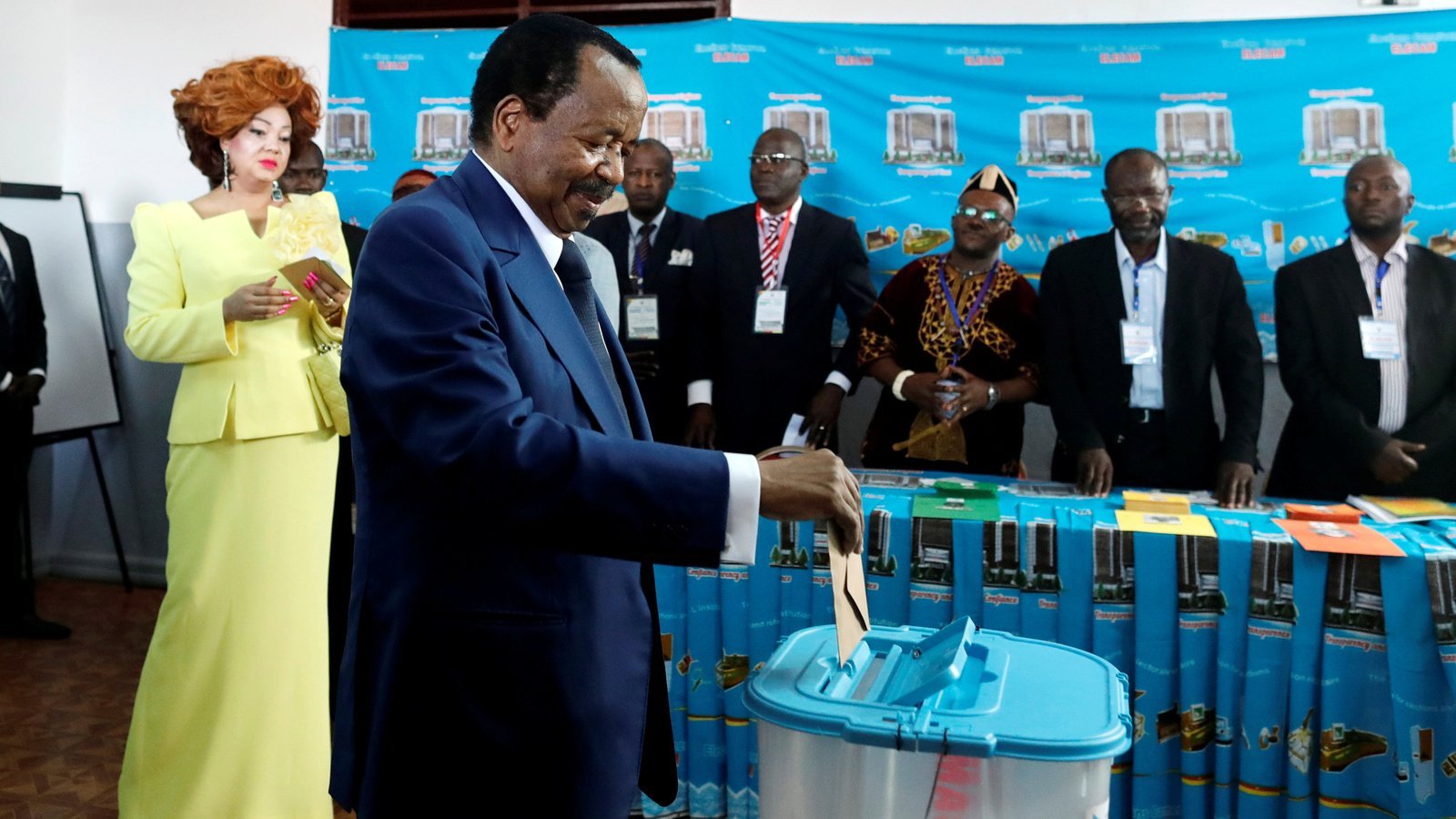




























Cameroon’s political landscape is bracing for a potentially transformative moment as 81 individuals have officially applied to contest in the upcoming presidential elections. This surge in candidacy reflects a growing appetite for political change in the Central African nation, where long-serving President Paul Biya, now 91, has ruled for more than four decades.
The applications were confirmed by ELECAM, the country’s electoral commission, as of July 21, 2025. The final list of approved candidates, however, will be published only after a thorough screening process by the Constitutional Council. This process includes verifying candidates’ eligibility, compliance with legal requirements, and their ability to meet stringent nomination criteria, such as gathering support from registered voters and providing proof of a clean criminal record.
Observers say the unusually high number of applicants could signal mounting public frustration with the political status quo. President Biya, in power since 1982, is one of the longest-serving leaders in the world. His ruling Cameroon People’s Democratic Movement (CPDM) has maintained a tight grip on power despite growing criticism over its handling of economic challenges, corruption, and the ongoing Anglophone crisis in the northwest and southwest regions.
Among the 81 aspirants are opposition party leaders, civil society activists, technocrats, and even independent candidates with little previous political experience. This diverse pool could indicate a new era of engagement from segments of society previously excluded or disenchanted with politics.
Notably, opposition groups such as the Cameroon Renaissance Movement (CRM), led by Maurice Kamto — a former Biya ally turned fierce critic — are expected to play a crucial role in the race. Kamto, who claimed victory in the 2018 election before being placed under house arrest, has not yet confirmed whether he is among the 81 applicants. His potential candidacy could significantly influence voter turnout and public sentiment.
Meanwhile, civil society organizations and international observers have called on Cameroonian authorities to guarantee a free, transparent, and peaceful election process. Past elections have been marred by allegations of fraud, voter intimidation, and restrictions on press freedom — concerns that human rights groups say must be addressed ahead of the 2025 vote.
The political atmosphere remains tense in parts of the country. The Anglophone regions, which have experienced ongoing separatist unrest since 2016, pose a serious logistical and security challenge for election officials. Voter disenfranchisement in these areas could skew results and further deepen divisions in the nation.
Despite these challenges, Cameroonian youth — who make up over 60% of the population — are increasingly vocal about their future. Many young citizens are turning to social media platforms to campaign for political reforms, accountability, and job creation. Whether this energy will translate into actual electoral impact remains to be seen.
With the final list of candidates expected to be released in the coming weeks, Cameroon stands at a political crossroads. The 2025 presidential election could either reinforce the entrenched power structures or usher in a new generation of leadership. Much will depend on how the electoral commission handles candidate approvals and how fairly the election is conducted in the eyes of both citizens and the global community.