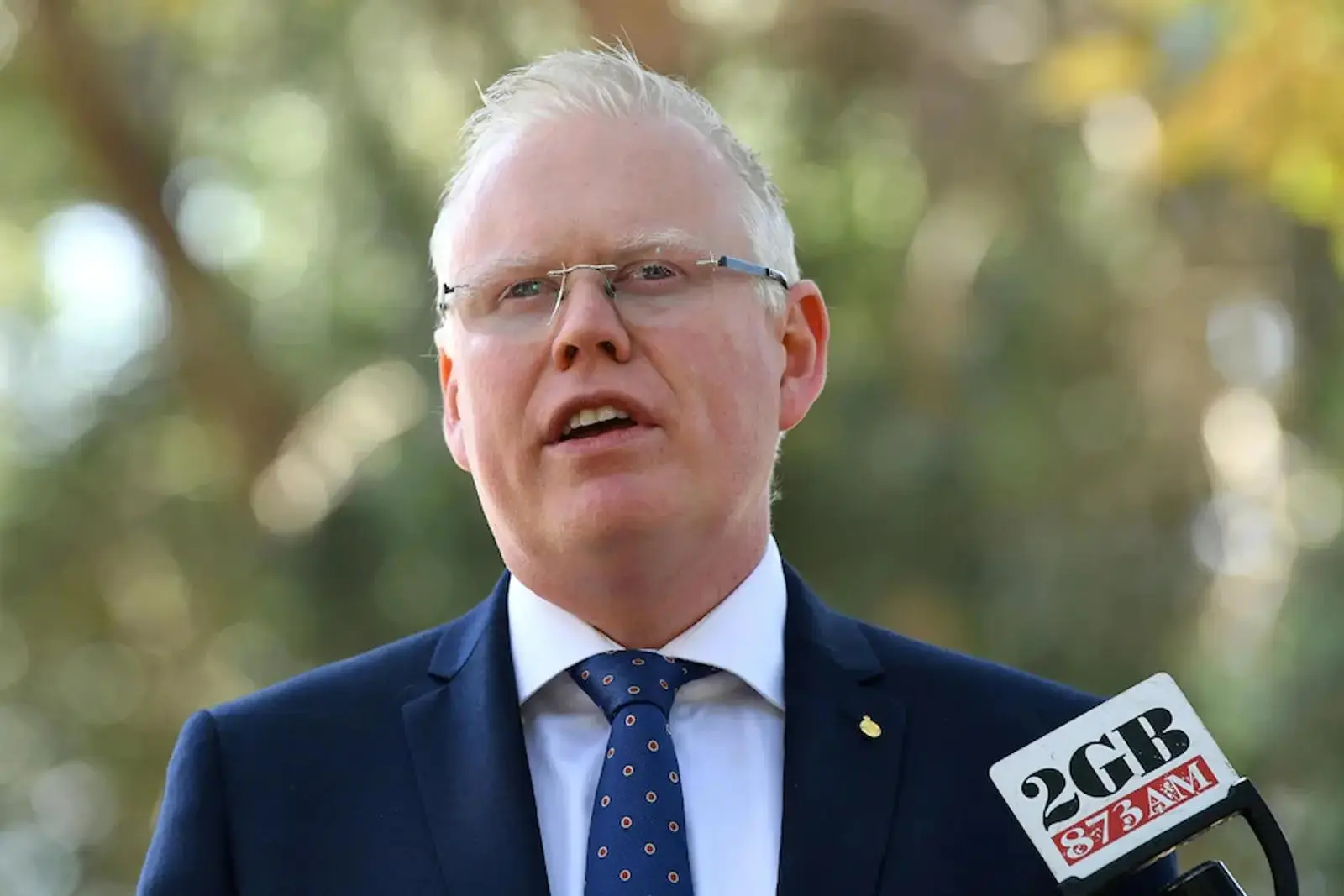





























































A sitting member of the New South Wales parliament, Gareth Ward, has been found guilty of multiple sexual offences following a high-profile trial that lasted over nine weeks. The verdict marks a significant moment in Australian politics, as Ward remains an elected representative despite facing serious criminal charges.
A jury in the NSW District Court convicted the 44-year-old politician on three counts of indecent assault and one count of sexual intercourse without consent. The offences were committed against two young men in separate incidents that occurred in 2013 and 2015.
The first victim, aged 18 at the time, testified that he was invited to Ward’s home in Meroo Meadow after a night of socialising. The teenager, who was intoxicated, said he attempted to resist Ward’s advances but was assaulted on three occasions. The second victim, a 24-year-old political staffer, was raped at Ward’s apartment in Potts Point after a parliamentary event. Both men gave similar accounts, despite not knowing each other.
Crown prosecutor Monika Knowles emphasised the parallels between the victims’ testimonies, describing the pattern of behaviour as too consistent to be coincidental. The jury deliberated for three days before delivering a unanimous verdict.
Ward had denied all allegations, claiming that the 2015 assault never took place and arguing that the earlier incident was either consensual or misremembered. His legal team challenged the reliability of the victims’ recollections, noting the time lapse between the events and the trial.
Ward resigned from the Liberal Party and from his ministerial post in 2021 after the allegations became public, but he chose to remain in parliament as an independent. Despite the charges, he was re-elected as the Member for Kiama in 2023.
The political fallout has been swift. Both the NSW government and opposition have called on Ward to resign immediately. Under section 13A of the NSW Constitution Act 1902, an MP convicted of an offence carrying a potential sentence of five years or more can be disqualified from parliament 28 days after sentencing. However, if Ward appeals the verdict, the disqualification could be delayed.
Constitutional experts have suggested that parliament could act earlier by suspending him from his duties to protect the institution’s integrity. In the meantime, Ward remains out on bail under strict conditions, including daily reporting to police, surrendering his passport, and avoiding contact with any witnesses.
A detention hearing is scheduled for next week, during which the prosecution is expected to argue that Ward should be taken into custody pending sentencing. That sentencing is anticipated to take place later this year.
The case has attracted widespread attention, not only for the serious nature of the charges but also for the political implications of allowing a convicted sex offender to remain in parliament. Some legal experts have pointed to the case as a catalyst for reform, calling for clearer mechanisms to remove MPs who face serious criminal allegations.
One of the victims said he came forward only after Ward was appointed minister for families, describing the appointment as “a vampire running the blood bank.” The other victim said he feared speaking up due to Ward’s status and influence.
Ward’s conviction follows a series of sexual misconduct scandals involving Australian politicians in recent years, which have increased scrutiny on political institutions and their handling of such allegations.
The coming weeks are likely to determine Ward’s immediate political future, but regardless of whether he resigns or is expelled, the case has already left a significant stain on the NSW parliament and renewed public demands for accountability and transparency.