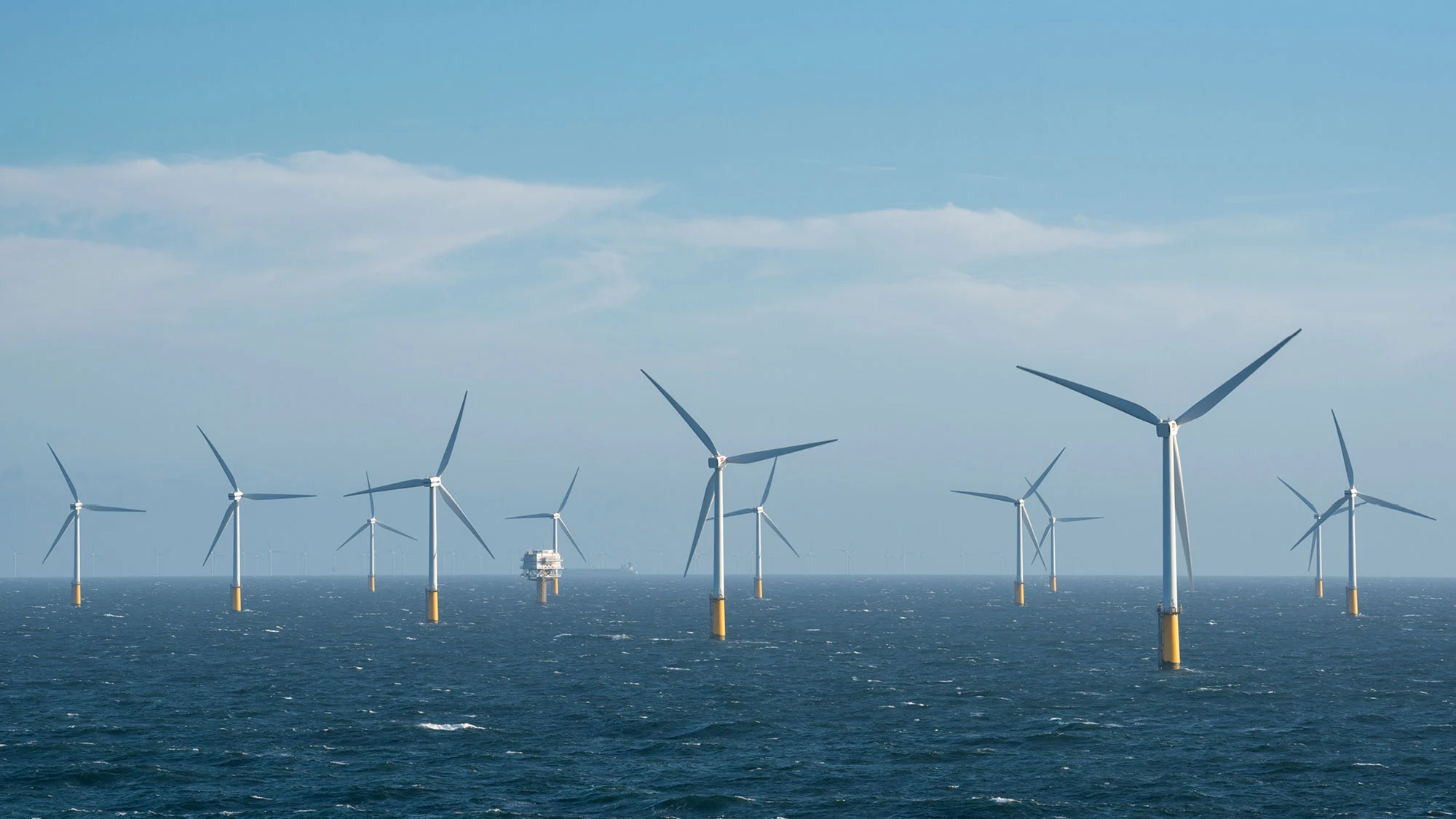


























































Blue Float Energy has withdrawn from its major offshore wind venture, Gippsland Dawn, declaring the proposed $10 billion project “no longer commercially viable.” The company’s exit marks a significant blow to Australia’s renewable energy ambitions, raising questions about the sector’s future and the country’s ability to meet its 2030 and 2035 emissions targets.
Blue Float Energy, backed by Quantum Capital, had planned a 2 GW wind farm off the Gippsland coast—enough to power more than a million homes. The project had secured major project designation from the federal government in November, signalling strong political support. However, Quantum Capital recently stepped away from offshore wind investments globally, leading to Blue Float’s abrupt retreat. The company also abandoned a related project in the Illawarra region, showing a broader loss of confidence in Australia’s offshore wind sector.
Victoria University energy expert Bruce Mountain noted the lack of buyers for Blue Float’s assets indicates trouble. “It is surprising that they did not find someone else to buy their operations… not a huge amount of interest from others,” he said. He warned that other offshore wind proponents are likely to be “weakened” and cautioned that rising costs and technical complications are hampering investment.
The collapse of Gippsland Dawn undermines both state and national targets. Victoria aims to achieve 40% renewables by this year, rising to 95% by 2035, including generating at least 2 GW from offshore wind by 2032. Nationally, Australia has pledged to reach 82% renewable energy by 2030. Mounting delays in licensing, planning, and financing, plus supply chain chaos and inflation, are dragging timelines. “Offshore wind economics are much weaker than was thought three to four years ago,” Mountain observed.
The setback has prompted immediate calls for reform. Electrical Trades Union national secretary Michael Wright urged the federal government to fast-track energy approvals. With clean-energy jobs surging, he noted that Australia will need two million tradespeople by 2050—including an additional 84,000 electricians—to support net-zero infrastructure. Wright warned that without urgent action, growing workforce demands could remain unfulfilled.
Despite the scaling back, officials say the industry is still promising. A spokesperson for the federal Department of Climate Change, Energy, the Environment and Water acknowledged global pressures on offshore wind but emphasised that “a high level of investment interest” remains in Australia. The department maintains it is on target to meet emission reduction goals for 2030. The Victorian Energy Department also pointed to 23 GW of offshore wind feasibility licences already granted in Gippsland, suggesting a solid development pipeline—if obstacles can be cleared.
Blue Float’s departure underscores recurring risks for large-scale renewables: emerging technologies, policy inertia, and capital flight. Australia’s offshore wind potential remains vast, with abundant coastal resources and growing demand for clean electricity. Yet converting that potential into operational farms may require better risk-sharing mechanisms, targeted financial incentives, and smoother regulatory pathways.
As Victoria prepares a September auction of renewable energy opportunities, and the federal government sharpens its climate strategy, the Gippsland Dawn collapse serves as a cautionary tale. Grid-scale renewables aren’t solely engineering challenges—they’re also ecosystems of finance, regulation, labour, and political will. The coming months will be critical in testing whether Australia can overcome these obstacles or fall short of its net-zero aspirations.
If energy approvals are streamlined, capital flows revived, and supply chains stabilized, next-gen clean energy projects like offshore wind might still reach their full potential—powering the grid and creating thousands of jobs. But without bold corrective action, setbacks like Gippsland Dawn may become the norm rather than the exception.