
















































Australia is taking a bold step in global internet regulation by officially including YouTube in its upcoming ban on social media access for users under the age of 16. The decision reverses an earlier position by the Labor government, which had initially planned to exempt the platform due to its perceived educational value.
The new rule, which comes into effect in December, places YouTube alongside other major social media platforms like Facebook, Instagram, Snapchat, TikTok, and X (formerly Twitter). Under the legislation, all these platforms will be required to implement age assurance technologies to ensure that children under 16 cannot create or maintain accounts. Non-compliance could lead to fines of up to 49.5 million Australian dollars, equivalent to around 32 million US dollars.
The decision to include YouTube follows new data from the eSafety Commission, Australia’s independent online safety regulator. A recent survey found that 37 percent of children reported encountering harmful content on the platform. Such content includes misogynistic and hateful messages, dangerous online challenges, fighting videos, and media promoting unhealthy behaviors around diet and exercise.
YouTube’s design features—such as infinite scroll, autoplay, and algorithm-driven recommendations—were found to function similarly to those used by other social media platforms, amplifying the risk of exposure to harmful material. Communications Minister Anika Wells argued that these persuasive features put children at risk and justified removing YouTube’s previous exemption. In Parliament, Wells likened letting kids use social media without supervision to throwing them into the ocean and expecting them to swim without guidance.
The backlash from YouTube was swift. A spokesperson for the platform noted that the government had publicly committed to treating YouTube as an educational tool, and accused officials of backtracking. YouTube has not confirmed whether it will pursue legal action, but tensions remain high. YouTube Kids, which has stricter controls and does not allow video uploads or public comments, remains exempt from the ban.
The broader legislation was passed in late 2024 and gave the government a one-year window to plan its implementation. During that period, Australia tested various age verification technologies to determine how best to enforce the new rules. A preliminary report released in June concluded that age checks could be done in a way that protects privacy, but it also found no single solution that fits all scenarios. Alarmingly, the report also warned that some tech providers were collecting more personal data than necessary in anticipation of regulatory demands, potentially putting user privacy at risk.
Critics of the ban argue it may create unintended consequences. Privacy advocates worry about surveillance and data security, while child psychologists and youth organizations say the policy could isolate vulnerable children who rely on social platforms for social support, especially in remote or disadvantaged communities.
Wells acknowledged these concerns, admitting that no system would be perfect and that some children would inevitably find ways around the restrictions. She jokingly speculated that underage users might flock to platforms like LinkedIn instead.
In response to increasing scrutiny, YouTube recently launched a new AI-driven age verification system in the United States. The tool evaluates signals such as the type of videos viewed, search behavior, and account longevity to estimate user age. If users are suspected of being under 18, personalized advertising is disabled, tools for mental well-being are activated, and repetitive exposure to certain content is limited.
Social media companies have been actively lobbying against the Australian policy. TikTok, for example, has launched a marketing campaign highlighting its role in education and skill development for teenagers. One ad claimed that Australian teens were learning everything from fishing to culinary techniques through the platform.
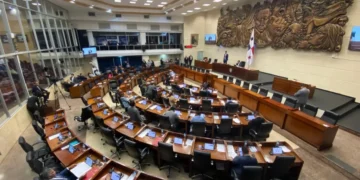
The international spotlight on Australia’s approach is growing. Prime Minister Anthony Albanese is expected to present the policy at a United Nations forum later this year, framing it as a potential model for global internet safety standards.
The coming months will be crucial for both the Australian government and social media companies. The implementation of effective, privacy-conscious age assurance systems will determine whether this legislation becomes a global benchmark or a cautionary tale. Either way, Australia’s decision to include YouTube in its social media crackdown marks a significant escalation in the ongoing debate over how to protect children online in an age of algorithm-driven content.