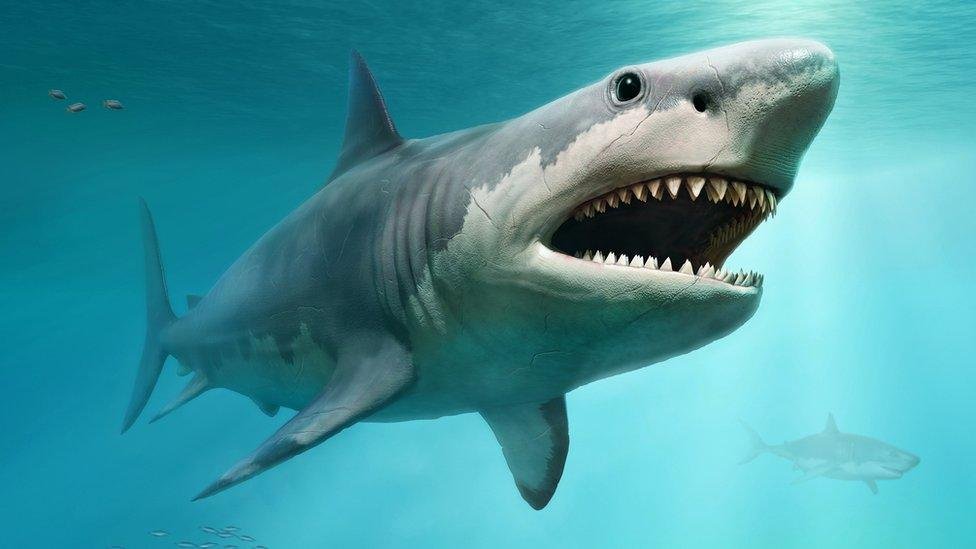





























































The community of Esperance, located on Western Australia’s remote south-east coast, is calling for urgent action after a series of deadly shark attacks have left locals wary of entering the ocean. Over the past eight years, four of the five fatal great white shark attacks in the state have taken place off the Esperance coastline, transforming a once vibrant surf culture into one shadowed by fear.
Manue Daniels, originally from Paris but now a long-time Esperance resident, reflected on how surfing was once a source of peace and enjoyment. She described it as an integral part of the Australian lifestyle, but her enthusiasm has been dampened by the rising threat. She admitted that the danger has significantly changed her relationship with the ocean, and she now surfs far less often than before.
The most recent incident involved 37-year-old tourist Steven Payne, who was fatally attacked while surfing in chest-deep water at Wharton Beach. The midday attack occurred in broad daylight at a popular beach, shocking witnesses and frustrating locals. While formal analysis is still pending, it is widely believed a great white shark was responsible. The Esperance community is now demanding more proactive shark research and safety measures to address what they consider one of Australia’s highest-risk coastal areas.
Marc Payne, an experienced abalone diver and local advocate, has voiced concerns over the lack of adequate response mechanisms. He pointed to a 2020 incident at Perth’s Cottesloe Beach, where a massive great white was captured, tagged, and released as an example of what should be done in Esperance. With the town’s population swelling during tourist season, Payne believes local authorities need to do more to protect both residents and visitors.
The Esperance Ocean Safety and Support Group, established after the 2017 shark attack that claimed the life of teenager Laeticia Brouwer, has been campaigning for the deployment of non-lethal SMART drumlines to catch and monitor problem sharks. The group argues that in the aftermath of any attack, authorities should take swift action to mitigate further risk. Though the state government funded a swimming enclosure in Esperance Bay and offers a rebate on personal shark deterrent devices, many residents feel current measures fall short.
Shark mitigation remains a polarising issue, particularly the use of SMART drumlines. Conservation groups supported the cancellation of a trial in WA’s southwest after only two great whites were caught over two years. However, Payne, who helped coordinate the trial, believes such decisions ignore the urgent need for a more robust local response. He maintains that beyond closing beaches, very little is being done after incidents.
The state’s shark management plan includes a tagging and tracking system, where tagged sharks are detected by a network of acoustic receivers placed along the coast. Alerts are shared with the public through an app, website, and sirens. Tagging efforts take place near Garden Island and around the Recherche Archipelago near Esperance, as well as opportunistically near whale carcasses. Since 2009, more than 200 great white sharks have been tagged in WA waters, with over 100 in the past five years. Yet this represents only a small portion of the estimated population. The CSIRO estimates between 760 and 2,250 adult great whites live in the south-western population, while the eastern population ranges from 470 to 1,030.
Payne argued that research should focus more directly on coastal areas where people are most at risk. He urged the government to publish updated tracking data, as the last comprehensive report was released in 2016. He believes such data could guide more effective response strategies and potentially save lives.
Calls are growing for broader conversations involving government officials, marine scientists, and community members. Esperance Shire President Ron Chambers emphasised the need to review whether current safety measures are truly effective. A new report on shark tagging data is expected in 2025–26.
Surfing instructor Brent “Mossy” Moss shared his own experience with a large shark encounter near town, which reinforced his support for more tagging and research. He also noted a decline in surf school participation over the past decade, attributing it in part to heightened fear surrounding shark sightings. Once conducting four lessons a day, he now averages two during holiday periods.
For Payne, the issue is deeply personal. He recounted a traumatic early encounter with a great white as a young diver and now worries for the safety of his children, who also love the ocean. The cumulative toll of repeated attacks and limited mitigation has left many in Esperance feeling vulnerable. Payne’s message is clear: “We shouldn’t be living in fear.”