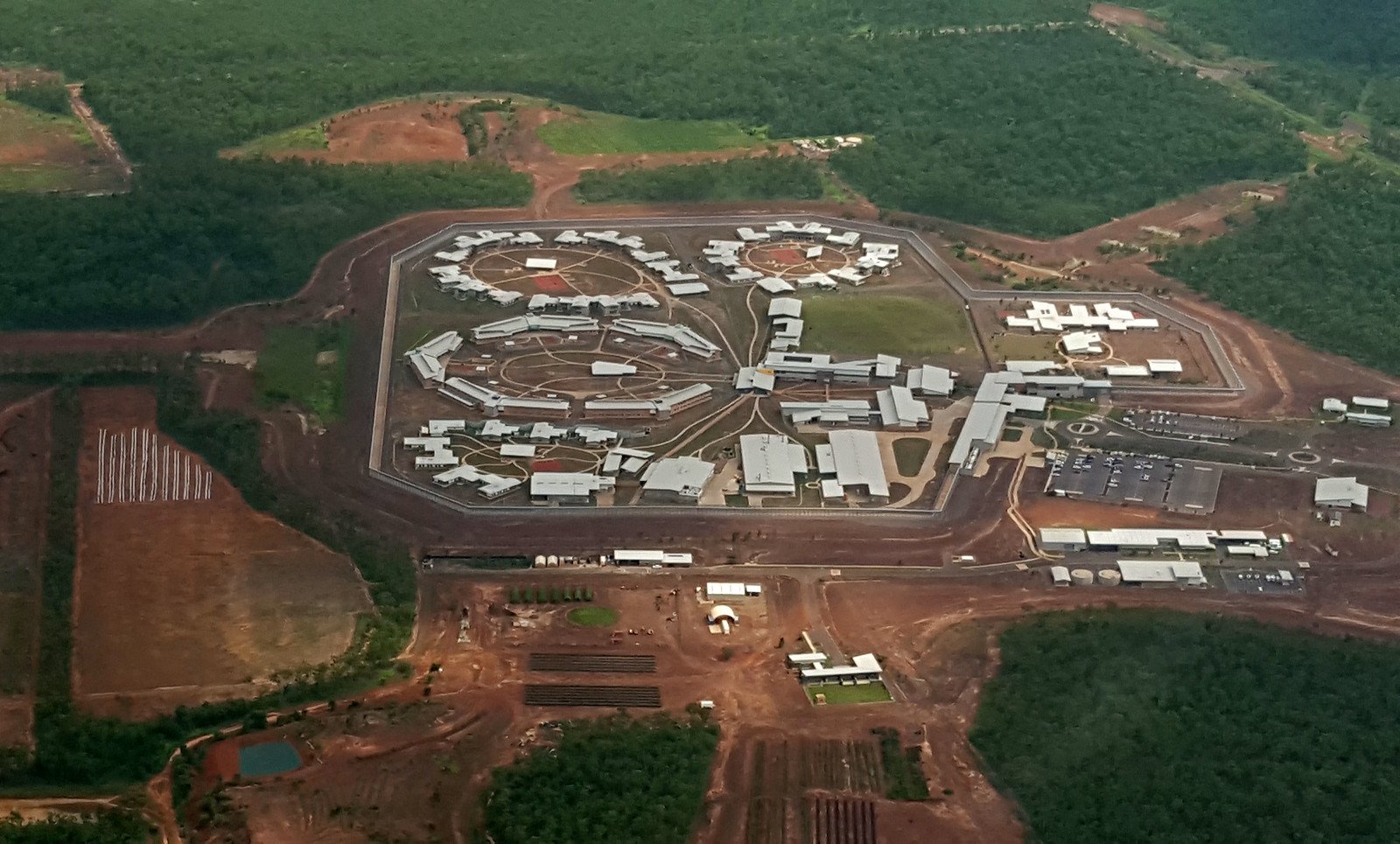






















































Catholic chaplains in the Northern Territory have been unable to deliver religious services to inmates at the region’s largest correctional facility for several months, sparking concern among church leaders and calls for urgent government action.
Bishop Charles Gauci of Darwin has formally appealed to the Northern Territory government, raising alarms about the prolonged absence of chaplaincy services in correctional centres. In a letter addressed to Chief Minister Lia Finocchiaro and Corrections Minister Gerard Maley, Bishop Gauci emphasized the importance of spiritual care within the prison system, describing the current lack of access as both a moral and practical issue.
“While we recognise the significant pressure the justice system is under, denying access to pastoral care undermines rehabilitation efforts and restricts religious freedom,” Bishop Gauci wrote on behalf of the NT Catholic clergy.
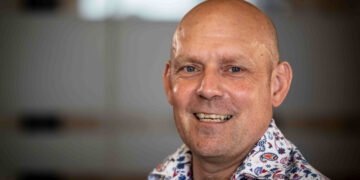
Catholic volunteers, led by Father Dan Benedetti, have not been able to conduct services at the Darwin Correctional Centre in Holtze since November. Father Benedetti expressed deep concern over the halt in spiritual support for inmates. “It’s heartbreaking. Many of these men and women look forward to these gatherings as a source of hope and connection,” he said.
The disruption comes at a time when the NT’s prison population is experiencing unprecedented growth. Since the last territory election, the number of incarcerated individuals has increased by more than 500, reaching a record high of 2,768 as of last week. In response, authorities have resorted to housing prisoners in police watch houses, expanding existing facilities in Alice Springs, and reopening a secondary prison in Darwin’s Berrimah suburb.
Corrections Commissioner Matthew Varley acknowledged the strain on the system, citing a combination of lockdowns, overcrowding, and staffing shortages as reasons for the reduced access to rehabilitative programs, including chaplaincy. “The pressure on our facilities has led to interruptions not just in spiritual services but also in education, employment, and other rehabilitation efforts,” he said. “Our goal is to restore full functionality across all programs.”
Bishop Gauci stressed that the absence of chaplaincy not only impacts inmates but also has wider implications for their families and communities. “Spiritual care is an essential part of the rehabilitation process. Its absence could hinder efforts to reintegrate prisoners into society and promote lasting change,” he said.
He called on the government to prioritise the return of pastoral care teams and regular church services to correctional centres. “This isn’t just about religion—it’s about creating safer, more compassionate communities by supporting transformation where it’s possible.”
He also noted that while the restriction on chaplain visits may not be intentional, it does infringe upon inmates’ religious rights. “These are freedoms that should not be taken lightly, even within a correctional environment.”
Responding to the concerns, Corrections Minister Gerard Maley conceded the current situation is “not ideal,” but noted that prison life is inherently difficult. He did not offer a timeline for when full access for chaplains might resume.