























































In the realm of international politics and diplomacy, the Asia-Pacific region has a significant role to play. Its geographical expanse and the diversity of nations it encompasses are a hotbed for various socio-political dynamics. This article aims to shed light on the ongoing hostilities, ranging from public demonstrations to armed confrontations, that marked the region in July 2025.
The Asia-Pacific, geographically stretching from the east of Afghanistan to the American states of Hawaii and Alaska, is home to numerous nations with varying political systems, economic structures, and socio-cultural backgrounds. The region harbours some of the world’s most dynamic economies, including powerhouse nations such as China, Japan, India, and Australia, as well as emerging markets like Vietnam and Indonesia. However, the sheer diversity of the region also means that it is a breeding ground for conflicts that stem from a variety of sources, including territorial disputes, socio-economic inequalities, and political tensions.
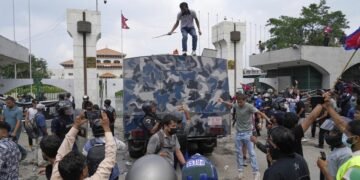
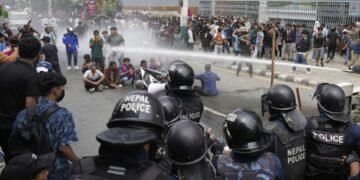
July 2025 saw a rise in public protests across the region. Public demonstrations are not an uncommon sight in the Asia-Pacific. Its history is rife with instances where citizens have taken to the streets to voice their frustrations and demand changes from their respective governments. These protests often stem from a range of issues, from corruption and political oppression to economic inequality and environmental concerns. The recent surge in public protests, however, indicates a growing dissatisfaction among the population at large, hinting at deeper structural issues that need to be addressed.
Alongside these civilian-led movements, the region also witnessed an escalation in military and militant activities. The Asia-Pacific, with its strategic geographic location and rich natural resources, has long been a focal point of global military contention. The South China Sea, for instance, is a well-known flashpoint, with overlapping territorial claims sparking frequent naval standoffs. Additionally, the region is home to several non-state militant groups, whose activities have often resulted in violence and instability.
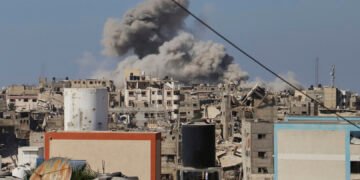
July 2025 was no exception to this pattern of military and militant unrest. While the exact nature of these activities remains sensitive, it is clear that they are a reflection of the broader geopolitical tensions in the area. The escalating military activities are not only a threat to regional stability but also have global implications. The Asia-Pacific is a significant player in global trade, with major shipping routes passing through its waters. Therefore, any rise in military tension can disrupt global supply chains, affecting economies worldwide.
The recent surge in militant violence is equally concerning. Militant groups, often motivated by ideological or political objectives, pose a significant threat to regional security. Their activities often result in loss of life, destruction of property, and widespread fear among the population. The increasing prevalence of such violence indicates a need for stronger counter-terrorism strategies and regional cooperation to ensure the safety and security of the people in the region.
The situation in the Asia-Pacific region is complex and multifaceted. As we continue to monitor the ongoing conflicts and their implications, it is clear that there is an urgent need for dialogue and diplomacy. The escalating protests, military confrontations, and militant violence witnessed in July 2025 underscore the necessity for peaceful conflict resolution strategies and stronger regional cooperation. It is crucial for the international community to remain informed and engaged, as the stability of the Asia-Pacific region has profound implications for global peace and security.