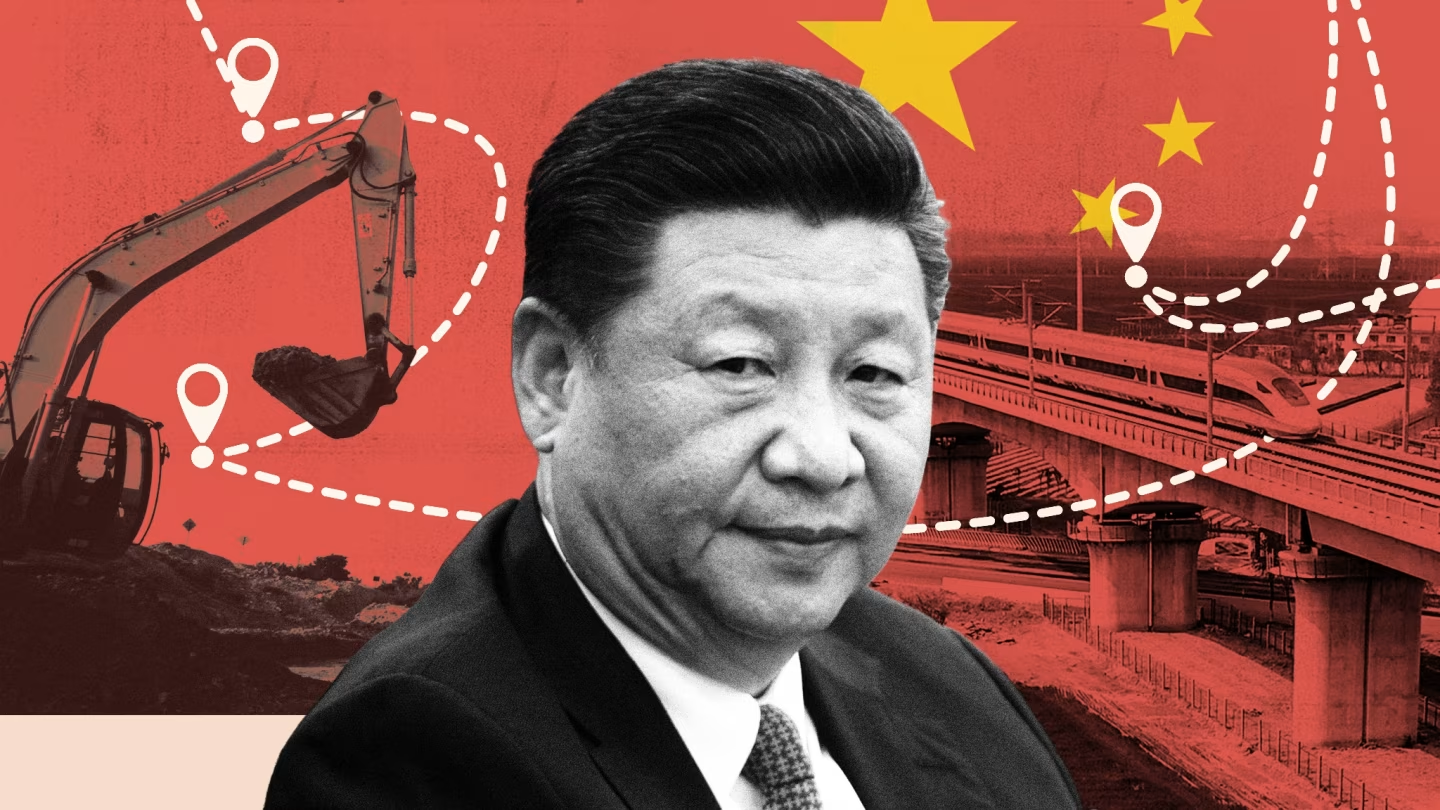





















































China’s economic ties with countries involved in the Belt and Road Initiative (BRI) have significantly deepened in recent years, demonstrating robust growth in trade and investment, according to Vice Commerce Minister Li Chenggang. Speaking at a press conference on Friday, Li outlined the progress made under the BRI framework and emphasized China’s commitment to expanding cooperation in emerging industries and digital trade.
Trade between China and Belt and Road partner nations has surged from $2.7 trillion in 2021 to $3.1 trillion in 2023, marking an average annual growth rate of 4.7%. That trade now represents over half (50.7%) of China’s total foreign trade volume in 2024, up from 45.3% just three years ago. These figures highlight the increasing importance of the Belt and Road network in supporting China’s global economic strategy amid shifting geopolitical dynamics and trade realignments.
Li also noted that two-way investment between China and participating nations reached over $240 billion from 2021 through the first half of 2025. Of this amount, more than $160 billion flowed into Belt and Road countries to support infrastructure development, industrial capacity, and connectivity projects, while over $80 billion in foreign investment was channeled into China, reflecting growing confidence in its market opportunities.
The Belt and Road Initiative, launched in 2013 by President Xi Jinping, aims to foster regional economic integration by investing in infrastructure, energy, transportation, and digital connectivity across Asia, Africa, Europe, and Latin America. The initiative has grown into one of the world’s largest international cooperation platforms, involving more than 150 countries and international organizations.
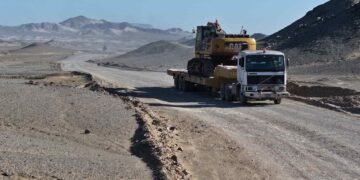
Li emphasized that BRI cooperation projects have made tangible progress and delivered concrete benefits. These include upgraded infrastructure networks, improved public services, and expanded local employment. From 2021 through mid-2025, China’s overseas engineering projects reported a cumulative turnover of nearly $600 billion, demonstrating the scale and pace of BRI-led development activity.
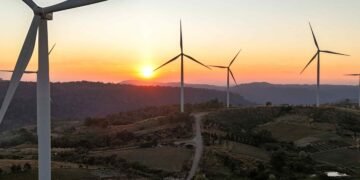
In a strategic shift towards high-quality, future-oriented development, China has also expanded its focus on emerging industries within the Belt and Road framework. According to Li, China has signed over 50 bilateral investment cooperation agreements focused on key sectors such as the digital economy, green energy, and blue economy (marine-based economic activity). These sectors are seen as critical to sustainable development, especially as countries around the world seek to transition to low-carbon and tech-driven growth models.
Digital trade in particular has seen rapid expansion. The Silk Road e-commerce initiative, a key component of the BRI’s digital strategy, now includes 36 partner countries. This platform has enabled small and medium-sized enterprises (SMEs) from developing countries to access Chinese markets and expand their global reach through digital platforms, further reinforcing the BRI’s inclusive development goals.
The vice minister also emphasized China’s commitment to ensuring that Belt and Road cooperation is transparent, sustainable, and mutually beneficial. He pointed out that talent development, technological training, and vocational education have become integral parts of China’s international partnerships, aiming to build long-term local capacity and empower host communities.
As global economic uncertainties continue to mount due to geopolitical tensions, trade protectionism, and sluggish post-pandemic recovery, China’s intensifying ties with Belt and Road countries reflect a broader push to diversify trade routes, secure supply chains, and deepen South-South cooperation. Analysts suggest that these efforts are not only reshaping global trade architecture but also solidifying China’s position as a central player in emerging markets and infrastructure finance.
While the BRI has attracted scrutiny from some Western governments who have raised concerns about debt sustainability and geopolitical influence, many participating nations have welcomed the initiative as a vital source of investment and economic opportunity. Independent studies have shown that well-managed BRI projects can deliver substantial infrastructure improvements and boost GDP growth in participating regions.
In closing, Li Chenggang reiterated China’s readiness to collaborate with more countries on the basis of mutual respect and shared development. “The Belt and Road is a road of cooperation, a road of opportunity, and a road to prosperity,” he said. “We will continue to expand high-quality cooperation and build a more connected, resilient, and inclusive global economy.”