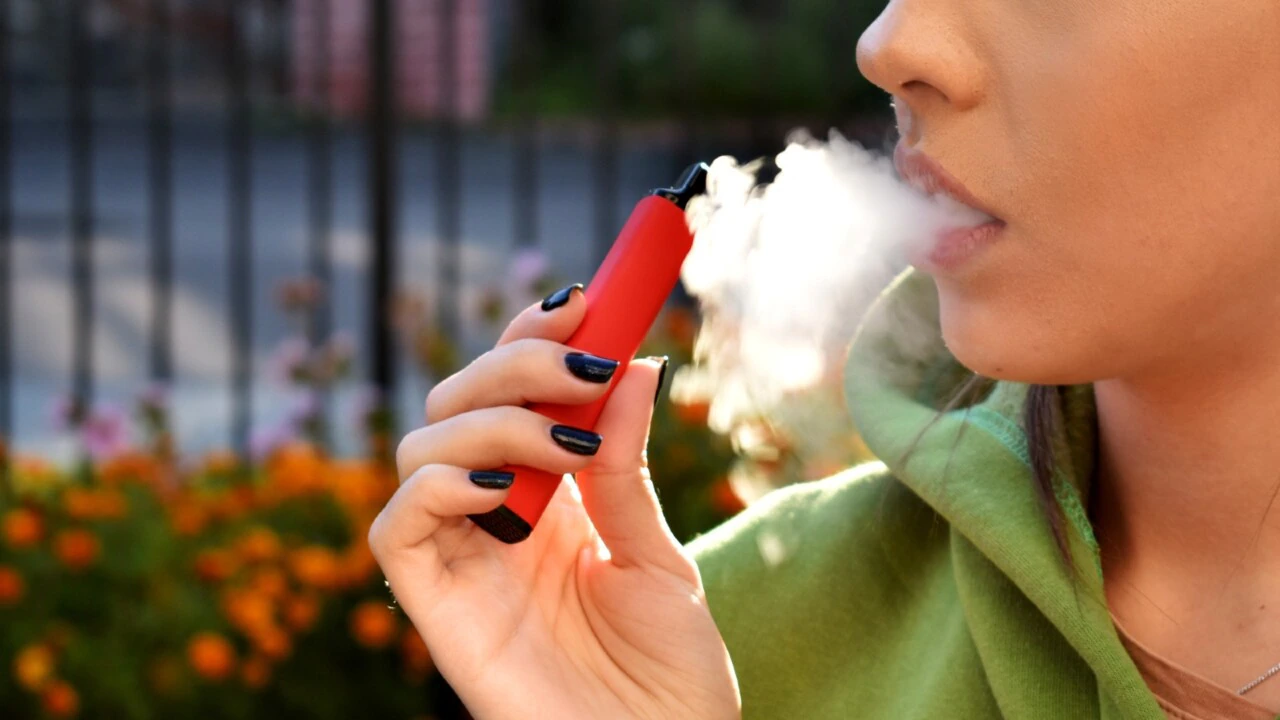





























































Vaping among Australian teenagers is on the decline, according to new research released nearly a year after the federal government imposed a ban on disposable vapes. The data, drawn from Cancer Council Australia’s Generation Vape study, shows that e-cigarette usage among 14 to 17-year-olds has dropped from 17.5% in early 2023 to 14.6% by April 2025. Among people aged over 15, the rate fell by more than a third, signaling what Health Minister Mark Butler described as a “turning point” in youth nicotine use.
The federal government’s sweeping reforms came into effect in July 2024, prohibiting the manufacture, import, advertising, and sale of single-use vapes across the country. Under the new legislation, nicotine vapes can only be legally obtained with a prescription through pharmacies. These measures were introduced in response to mounting concern over youth uptake and the environmental waste associated with disposable vape devices.
Despite the legal clampdown, a thriving black market continues to supply nicotine vapes to minors. Teenagers who do vape often obtain products through tobacconists and dedicated vape stores, suggesting that illegal sales are persisting despite the law. Officials say enforcement remains a key challenge, although more than 10 million illegal vapes have been seized over the past year.
Attitudes toward vaping among teens are also shifting. The latest survey reveals that 85.4% of those aged 14 to 17 have never tried vaping, and fewer than one-third now express curiosity about the habit—a figure that represents a notable drop in interest. Researchers involved in the study reported that some young users are beginning to view vaping negatively, with many current or former users admitting to feelings of shame or embarrassment.
Health advocates consider these changing perceptions crucial in reversing the normalization of vaping among adolescents. Interview excerpts in the report captured this evolution, with one teenager describing how vaping used to be seen as trendy, but is now “gross” and “cringe.”
Australia is not alone in confronting the youth vaping epidemic. The United Kingdom recently implemented a similar ban on disposable vapes in June 2025. The UK’s decision was prompted by rising teenage use and environmental concerns. Authorities there estimate that nearly 5 million single-use devices are discarded weekly, many of which end up in landfills or pollute waterways. Like Australia, the UK has restricted vape sales to refillable and rechargeable options.
However, enforcement remains problematic in both countries. In the UK, investigations by health officials and journalists have found that some retailers continue to sell disposable-style vapes or provide refills in a way that encourages single-use habits. In Australia, authorities acknowledge that the illicit vape and tobacco trade remains deeply entrenched, and tougher enforcement measures are likely to be necessary.
While e-cigarettes are often touted as a safer alternative to traditional tobacco products—since they do not contain combustible tobacco—experts caution that they are not without risks. The long-term health impacts remain uncertain. Nicotine exposure can harm adolescent brain development, and many vape liquids contain harmful substances such as heavy metals, ultrafine particles, and volatile organic compounds.
In addition, newer nicotine products are beginning to raise concerns. In the UK, officials are now scrutinizing nicotine pouches—small, flavored products marketed in a way that resembles sweets. These pouches are not currently covered by the vape ban but are rapidly gaining popularity among teens, creating what one UK health official called a “whack-a-mole” scenario for regulation.
Australia’s efforts to curtail youth vaping are part of a broader public health strategy. Smoking-related illness remains the country’s leading cause of preventable death, responsible for more than 24,000 deaths each year. While Australia has some of the toughest anti-smoking laws in the world, authorities say that without decisive action on vaping, the gains made in reducing smoking rates could be undermined.
Speaking to national media, Health Minister Mark Butler expressed confidence that Australia is “past the peak” of youth vaping. However, he also acknowledged that much work remains to be done—not only to reduce vaping, but to tackle illicit tobacco markets and other emerging nicotine products.
The coming months will test the durability of Australia’s vaping crackdown. Continued education campaigns, tighter enforcement, and vigilance over new product trends will be essential in maintaining momentum. Early signs suggest the approach is working—but public health advocates warn that complacency could reverse the gains made.