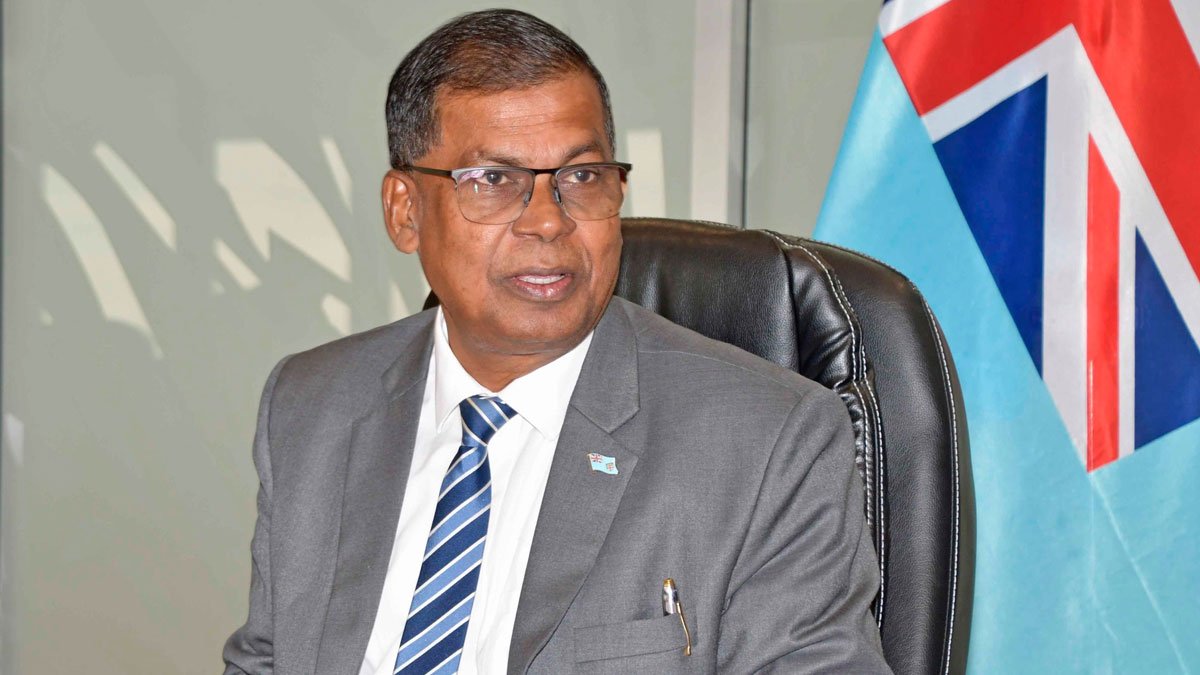


























































“Lollipop and candy” — is that the best the Opposition can do in response to the budget? That’s the question Deputy Prime Minister and Minister for Finance Professor Biman Prasad posed to Parliament today, as the Committee of Supply began scrutinising the proposed 2025–26 Budget.
Professor Prasad took aim at Opposition MP Bala, who, after two weeks of reviewing the budget papers, dismissed them as little more than “lollipops” — symbolic, empty gestures. “He had two weeks to go through the budget, and all he could come up with was a lollipop,” the DPM said, condemning the Opposition’s critique as superficial. “Some of them have suddenly got a taste of lollipop and candy,” he added, sceptically asking whether such language reflects the depth of concern expected from elected representatives.
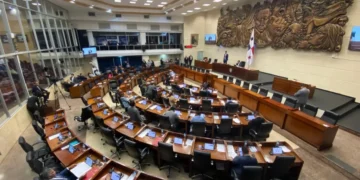
The Committee of Supply stage offers MPs a line-by-line opportunity to debate and amend allocations for different ministries and agencies. It follows the formal presentation of the Budget speech and precedes the passing of full appropriation legislation.
In defending the budget, Professor Prasad emphasised that this was no sweet treat for show—supporters argue the plan balances investment in public services with the realities of fiscal responsibility. It proposes increased funding for health, education, and infrastructure, while also addressing rising social support needs and stabilising the fiscal deficit.
The Opposition, however, remains critical. Their spokespersons have described the budget as light on long-term strategy, with insufficient structural reforms in tax, debt management, and private-sector stimulus. Their “lollipop” framing suggests cosmetic, short-term cheer, but no deep-rooted economic nourishment.
Professor Prasad countered this perspective by highlighting proposed reforms targeting public sector efficiency, improvements in revenue collection, and enhanced debt discipline. He stressed that in a small island economy like Fiji—vulnerable to climate shocks and global market swings—overspending risks fuelling inflation and undermining investor confidence.
The Finance Minister pointed out that similar “sweetened” budgets have drawn criticism elsewhere. Even well-resourced economies frequently face accusations of prioritising headline-grabbing incentives over meaningful structural reform. He argued that, unlike those, Fiji’s 2025–26 plan is meant to balance populist appeal with intergenerational responsibility.
Outside Parliament, business leaders and financial institutions have largely endorsed the budget. They praised targeted capital investment and expressed cautious optimism that, if executed as intended, the plan could help support stable growth around 3–4 percent in the coming year. They also welcomed signs that future debt levels would be kept within sustainable bounds.
But for the opposition benches, frustration persists. They argue critical reforms—particularly on tax and productivity—were either glossed over or postponed. While their verdict may seem harsh, it signals a deeper mistrust of the government’s ability to convert short-term outlays into long-term economic resilience.
As the Committee of Supply continues its examination over the coming days, MPs from all sides will have a chance to question allocations in detail. Whether this process leads to meaningful adjustments—or simply reinforces the competing narratives of “lollipop politics” versus prudent governance—remains to be seen. The final vote on the budget, along with any amendments, will come before the full Parliament in the post-Committee session.