



























































A recently retired senior NASA scientist says New Zealand is among the best-prepared nations in the world when it comes to responding to major space weather events.
Dr Michelle Thaller, who spent nearly three decades with NASA and served as assistant director at the Goddard Space Flight Center, praised New Zealand’s proactive approach to solar storm threats. Speaking to 1News during a visit to the New Zealand International Science Festival, Thaller highlighted the country’s readiness in the face of potentially devastating geomagnetic storms.
“These events are difficult to predict, but we’re currently at the peak of the Sun’s 11-year cycle of activity, which heightens the risk,” she said. “At some point, Earth will take a direct hit from one of these storms—it’s just a matter of time.”
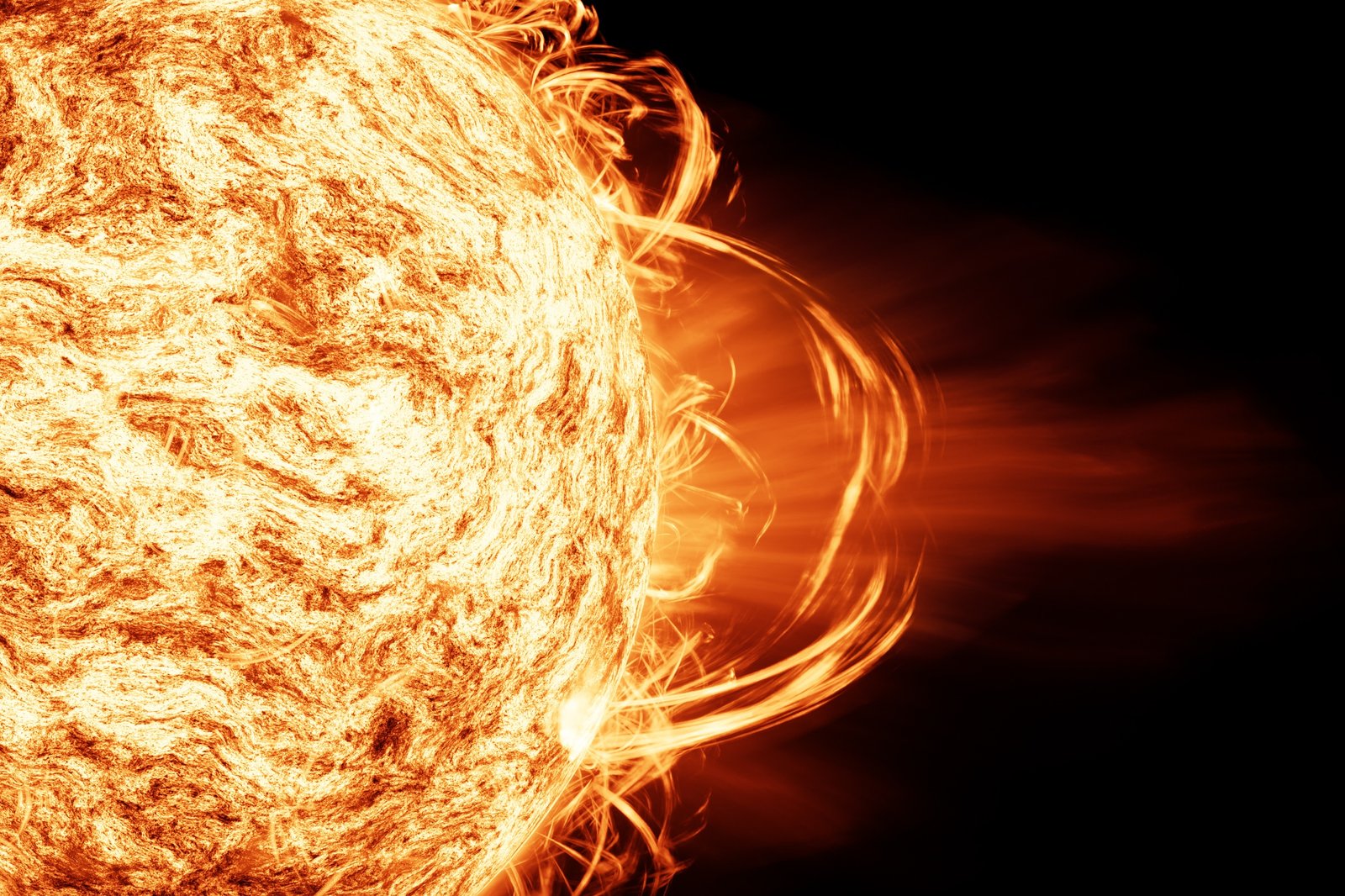
Solar storms occur when high-energy particles from the Sun, often carried by solar wind, disrupt Earth’s magnetic field. These disturbances can severely impact power infrastructure, satellite communications, GPS systems, and other critical technologies. Thaller, who has briefed former U.S. President Barack Obama on such risks, warned that the consequences of being unprepared could be deadly.
“This kind of event could cause widespread power failures. People could die indirectly from not having access to power. That’s why preparation is essential—and New Zealand is setting the standard,” she said.
New Zealand’s leadership in this area stems from its space weather response strategy, developed by the National Emergency Management Agency (NEMA) and released last year. Over the past 18 months, coordination between emergency services, scientists, and infrastructure providers—such as Transpower—has been ramped up to create a plan that allows the national power grid to be shut down temporarily to avoid permanent damage from an incoming solar event.
According to NEMA’s chief science advisor Tom Wilson, timing is a major challenge. “We might have hours—or even tens of hours—of warning before such an event hits, but the actual severity may not become clear until the final 10 to 15 minutes. That’s a very tight decision window,” he explained.
Matt Copland, Transpower’s grid operations manager, echoed this concern, noting the lengthy delays in replacing damaged components if precautionary measures are not taken. “If the grid suffers permanent damage, some of the critical equipment could take over 18 months to replace—and that’s assuming global demand isn’t spiking at the same time.”
Thaller emphasized that while solar storms are not a new phenomenon, our growing reliance on technology makes their impact far more significant today. New Zealand’s preparedness, she said, could serve as a model for other nations.
“It’s not just about reacting—it’s about planning ahead. And New Zealand is ahead of the curve.”