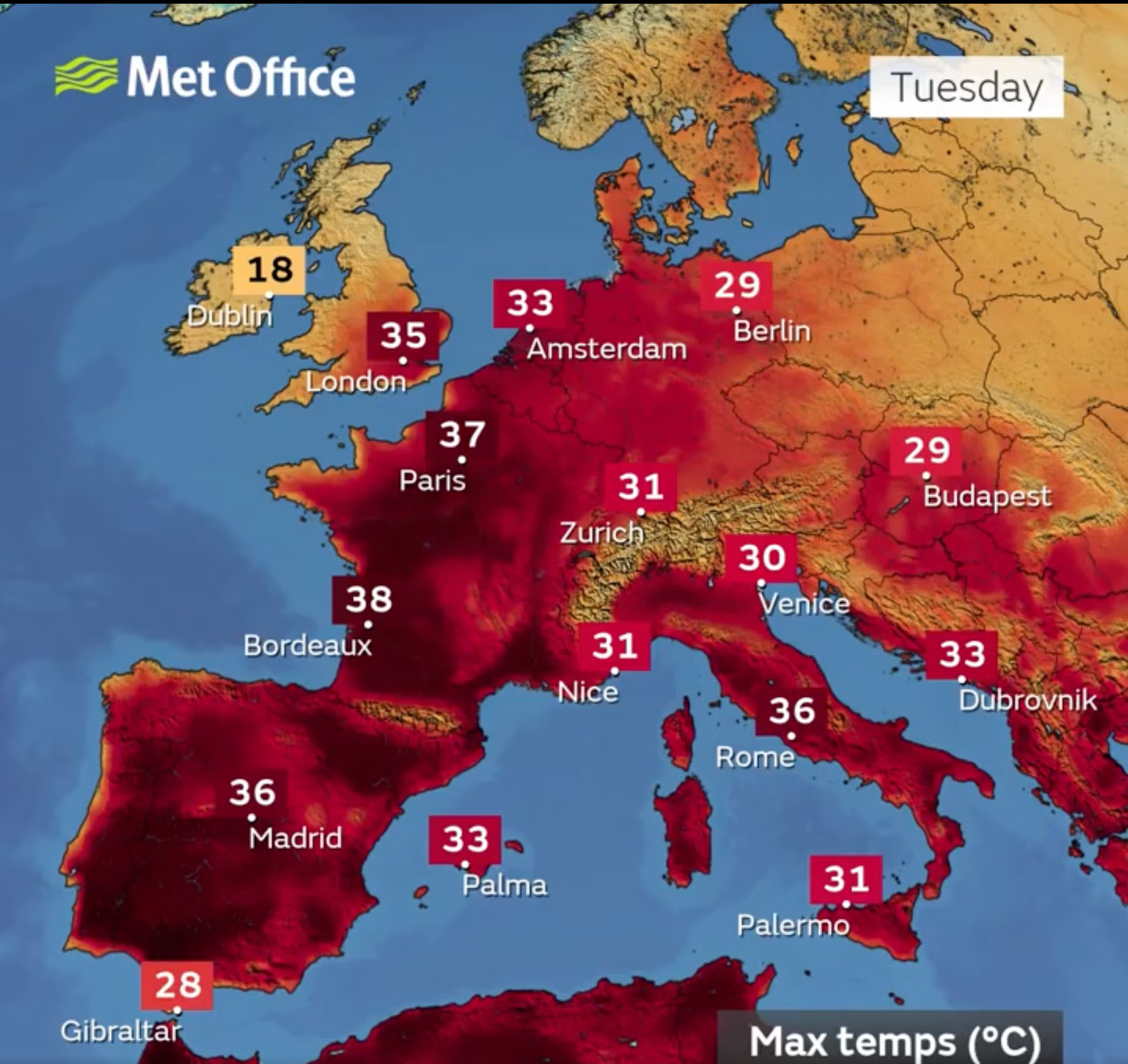

























































As Europe grapples with increasingly intense and frequent heatwaves, a growing body of research is now quantifying the economic toll of extreme temperatures — and the findings reveal a stark imbalance across the continent.
According to recent studies, Southern and Eastern European nations are bearing the brunt of the impact, with countries like Greece, Spain, Italy, and Romania experiencing the highest projected losses in both GDP and labour productivity. The combination of longer work stoppages, reduced output in agriculture and construction, and a surge in heat-related illnesses is significantly lowering economic performance during the summer months.
Southern Europe Hit Hardest
Southern European nations are particularly vulnerable due to their hotter climates and labour-intensive industries. For example:
- Greece is projected to lose up to 1.3% of its annual GDP by mid-century due to reduced productivity and weather-related disruptions.
- Spain and Italy could see productivity declines of over 10% in some sectors during peak summer months, particularly in agriculture, tourism, and construction.
- Portugal faces similar challenges, with heat stress already reducing outdoor work hours and impacting harvest yields.
These countries also have higher proportions of outdoor workers and aging infrastructure less suited to high-temperature resilience.
Eastern Europe Also at Risk
While often overlooked in climate discussions, Eastern European economies are increasingly vulnerable:
- Nations like Bulgaria, Romania, and Hungary are expected to experience mounting heat-related productivity losses, especially in rural and agricultural communities.
- Many Eastern European countries still rely on older, less energy-efficient buildings and lack adequate cooling infrastructure, exacerbating the effects of rising temperatures.
Northern and Western Europe Less Exposed – For Now
Countries in Northern and Western Europe, such as Germany, the Netherlands, and Sweden, are comparatively less impacted in the short term. However, they are not immune. As extreme weather patterns become more unpredictable, these regions may face growing costs linked to infrastructure adaptation, health impacts, and insurance losses.
Labour Productivity in Decline
Heat stress directly affects the body’s ability to perform physical tasks. According to the European Environment Agency (EEA), labour productivity in key outdoor sectors may drop by up to 20% by 2050 without intervention. Workers exposed to high heat are more prone to fatigue, errors, and injury — all contributing to lost hours and lower output.
Indoor workplaces are also affected, especially in buildings without modern cooling systems. In southern cities like Athens or Seville, office workers are reporting declines in concentration and cognitive performance during heatwaves.
Economic Policy and Climate Adaptation
Experts argue that without large-scale investment in climate adaptation — such as urban cooling systems, better building insulation, and revised working hour regulations — Europe’s economic output could steadily erode. The EU has recognized heatwaves as a major threat in its 2024 Climate Resilience Strategy, calling for a mix of national policies and cross-border coordination.
Countries that fail to adapt may see widening inequalities, not only in public health but in economic competitiveness. Economists warn that climate inaction could entrench a north-south economic divide within the EU.