




























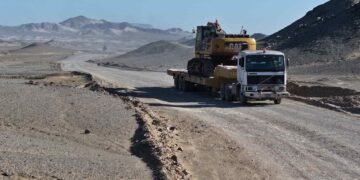


















A new $27 million barge is set to provide much-needed relief to remote communities in South Australia’s far north, offering a vital transport link across the flood-prone Cooper Creek. Funded jointly by the South Australian and federal governments, the barge will, for the first time, enable both livestock and tourists to cross the waterway during flood events — a significant development for an area that regularly faces extended isolation.
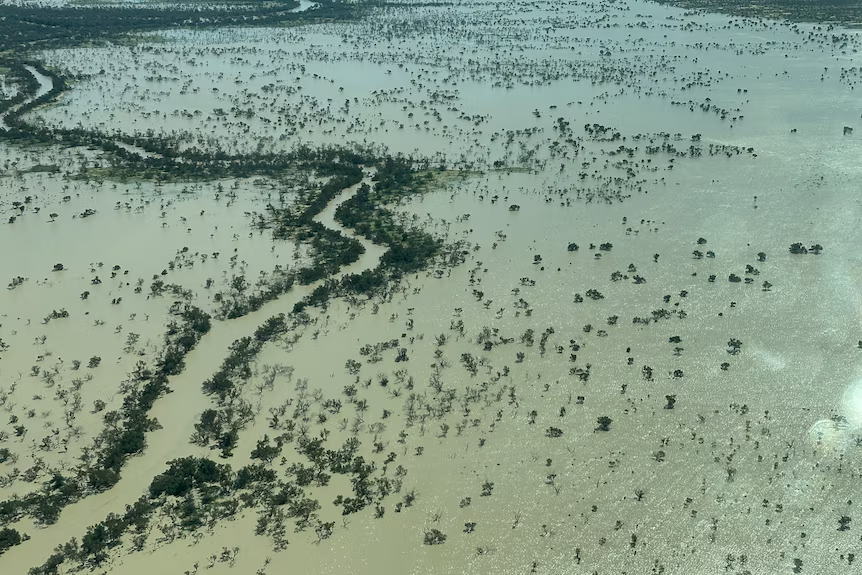
Residents in the region have long called for improved transport solutions, especially as recent flooding once again cut off the Birdsville Track. The latest deluge has left communities stranded since June 26, and some areas may remain inaccessible for up to eight months. In consecutive flood years, isolation can last even longer — up to 18 to 24 months.
In the past, a single-vehicle barge operated at the Etadunna crossing, but it was removed for servicing two years ago and never returned. This left the region unprepared when floodwaters rose earlier this year, leading to widespread disruption of essential services, livestock trade, and tourism income.
Tourism operators have already felt the financial strain. Andrew Norman, owner of the Mungerannie Hotel, was forced to close due to the lack of access. He expressed frustration at the government’s slow response, though he welcomed the recent decision. “It was always a question of when, not if, flooding would happen again,” he said. “They should have been ready sooner, but at least we’ve got a good outcome now.” Norman hopes to recover at least half of his usual income after anticipating losses of up to 90 percent.
The barge is seen as a lifeline for the region’s pastoral industry as well. Gillian Fennell, Livestock SA chair and a pastoralist at Lambina Station, called the new crossing vital for maintaining operations. “It’s the most direct route to get livestock to Adelaide and into other states,” she said. “It helps keep businesses running and people working.”
Funding for the project comes from the Disaster Recovery Funding Arrangements, and additional grants are being made available for primary producers who suffered direct losses due to the flooding. For landholders like Sharon Oldfield of Cowarie Station, the new barge is the result of generations of advocacy. She attributed the breakthrough to growing media coverage, social media pressure, the magnitude of the floods, and improved data from the State Emergency Service. Oldfield emphasized that the focus must now shift to completing the necessary roadworks before the barge is deployed. “That’s the most critical factor now,” she said. “We’re hoping it will be ready in time for the Birdsville Races at the end of August.”
Department of Infrastructure and Transport chief executive Jon Whelan confirmed that contractors on both sides of the crossing have been contacted, and that roadwork preparations should begin by late July or early August. He estimated the works would take three to four weeks to complete.
Once in place, the new ferry is expected to significantly reduce the impact of future flood events, keeping vital transport routes open and helping sustain both local livelihoods and tourism in the Channel Country.