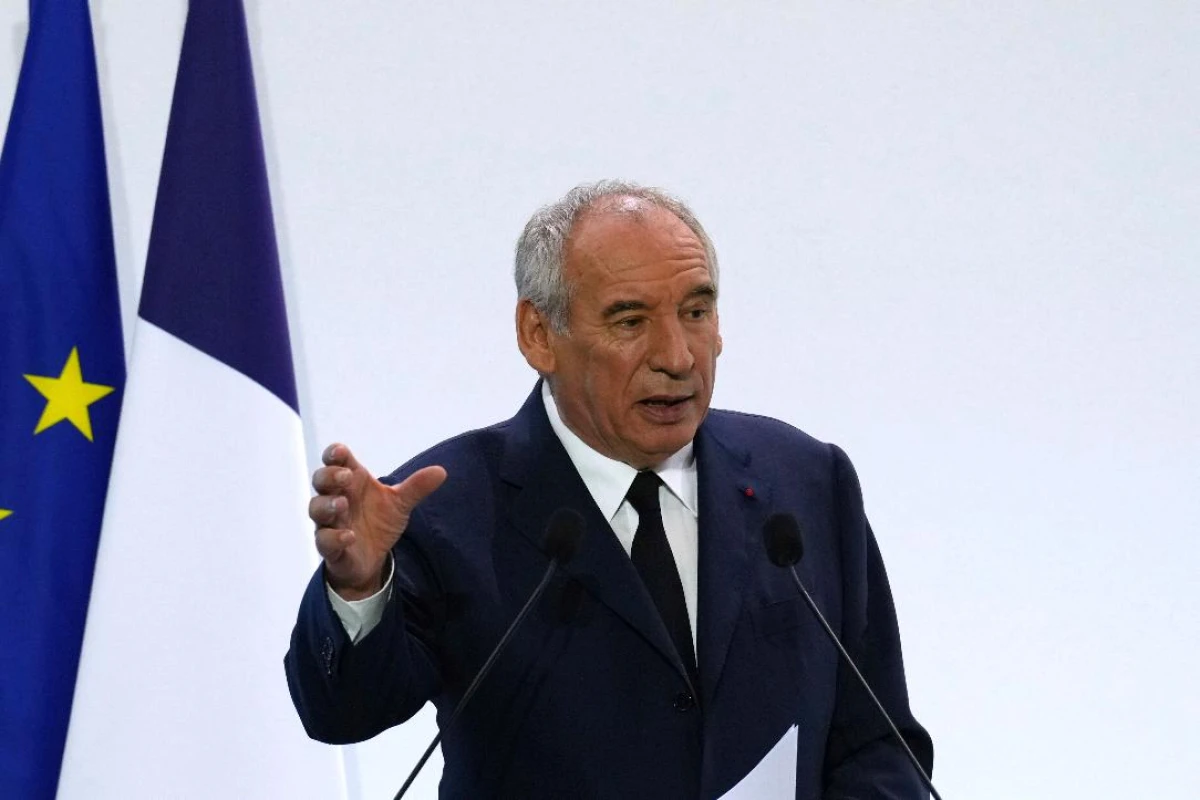



























































French Prime Minister François Bayrou has unveiled a sweeping package of austerity measures aimed at reducing the nation’s ballooning deficit — a plan that includes slashing civil service jobs, curbing tax breaks, and potentially eliminating two national holidays.
In a major address delivered Tuesday, Bayrou warned lawmakers and the public that France is at a financial crossroads, describing the country’s growing debt as a “mortal danger.” He painted a stark picture of the situation, emphasizing that France’s debt level increases by €5,000 every second. “It’s the last stop before the cliff,” Bayrou cautioned, calling for urgent action to avoid a full-blown fiscal crisis.
Among the most controversial proposals is the removal of two national holidays, with Easter Monday and May 8 — Victory in Europe Day — cited as examples. May 8 is particularly symbolic as it marks the end of World War II in Europe.
Bayrou’s plan outlines a target of reducing government expenditure by €43.8 billion. Measures include cuts to civil service staffing, limiting certain tax advantages for high-income earners, and ending business expense exemptions currently available to pensioners. Additionally, social welfare payments and income tax thresholds will not be adjusted for inflation in 2026.
Drawing comparisons to Greece’s debt crisis, Bayrou reminded the nation of the long-term consequences of unchecked borrowing. “We must not become addicted to public spending,” he said, highlighting the risk of relying on loans to cover essentials such as pensions and public sector salaries.
France’s public deficit hit 5.8% of GDP in 2024, amounting to €168.6 billion — significantly above the EU’s deficit ceiling. Bayrou’s roadmap aims to bring that figure down gradually, with goals of 5.4% in 2025, 4.6% in 2026, and under 3% by 2029 to comply with European regulations.
President Emmanuel Macron has entrusted Bayrou with the responsibility of repairing the country’s finances in the wake of last year’s snap legislative election, which left the National Assembly deeply divided. Macron himself has remained largely hands-off regarding the 2026 budget, focusing instead on defence and foreign policy.
Bayrou, a seasoned centrist and longtime advocate for fiscal restraint, is facing increasing political pressure. His survival in office may depend on how parliament responds to his proposals. So far, he has withstood eight no-confidence motions, but more may be on the horizon.
The far-right National Rally party has voiced strong opposition to the proposed cuts, particularly the freezing of social programs, and has already called for another confidence vote. Meanwhile, left-leaning parties are expected to resist any reduction in welfare provisions.
President Macron has appealed for unity, particularly around increasing defence spending, which is one area of the budget set to grow. On Sunday, he warned lawmakers against repeating the political gridlock of last December, when a no-confidence motion delayed crucial defence funding.
Macron, first elected in 2017 as a reformist determined to modernize France’s economy, now risks seeing his legacy undermined by the ongoing fiscal challenges. Years of crises — from the Yellow Vest protests to the pandemic and inflationary shocks — have derailed his reform agenda and deepened France’s spending habits.
With debt servicing costs poised to become one of the state’s largest expenditures, both investors and credit rating agencies are closely watching whether Bayrou can rally enough support in parliament to pass the austerity measures without provoking another political upheaval.