

















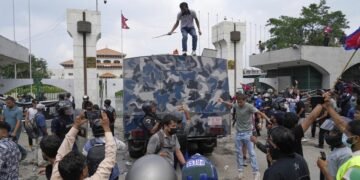
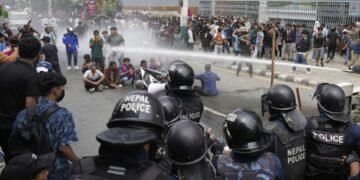
































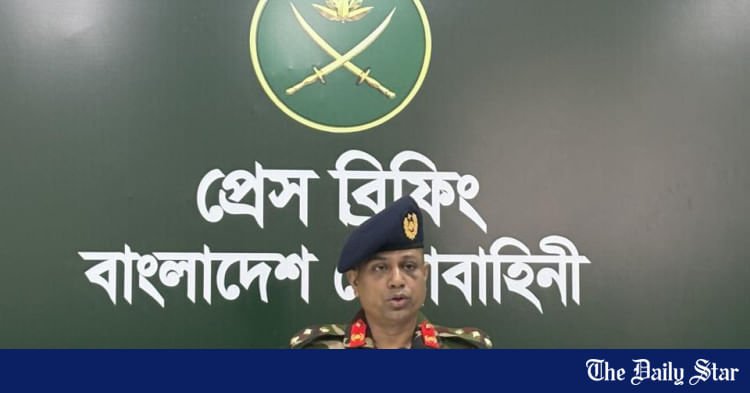
The deployment of the army in response to instances of mob violence in Bangladesh has been hindered by procedural delays, as outlined by military sources. The army’s headquarters has reiterated its commitment to a strict ‘zero tolerance’ policy regarding mob violence, emphasising the need for a swift and decisive response to such incidents. However, the established protocols for mobilising military forces after the initial involvement of other law enforcement agencies have led to significant delays in deployment.
This situation is particularly concerning given the rising instances of mob violence across the country. The government has been under pressure to ensure public safety, and the military’s involvement is seen as a critical component in restoring order during such chaotic events. The protocols in place dictate that the army can only be deployed after other law enforcement agencies, such as the police, have assessed the situation and deemed it necessary to escalate the response. This layered approach, while intended to ensure that military force is only used as a last resort, has resulted in a lag in response times when violence erupts.
The military’s stance on mob violence is clear, with officials stating that they will not hesitate to act against any form of lawlessness. However, the bureaucratic hurdles involved in mobilising troops mean that by the time the army is called in, the situation may have escalated significantly, leading to more severe consequences. The delays in deploying military personnel can exacerbate the risks to public safety, and the military is now calling for a review of these protocols to allow for a more agile response.
In recent times, instances of mob violence have surged, often triggered by social media misinformation or communal tensions. These incidents have resulted in tragic outcomes, including loss of life and severe injuries, drawing widespread condemnation from various quarters. As public anxiety grows, the military’s readiness to act is being scrutinised, and the need for a more streamlined protocol is becoming increasingly urgent.
Military officials have indicated that the existing protocols may need to be reassessed to better align with the realities of modern-day challenges. The complexity of the situation is compounded by the need for coordination among various agencies, which can lead to delays in decision-making. The army’s capability to respond effectively is contingent upon timely authorisation and clear communication with civilian law enforcement bodies.
In light of these challenges, discussions are underway regarding potential reforms to the current deployment protocols. The army has suggested that a more flexible approach may be required, one that allows for quicker activation in situations where mob violence is imminent or already occurring. This would require a shift in policy that prioritises rapid response over procedural adherence, particularly in cases where lives are at stake.
The implications of these delays are significant. As the army continues to advocate for a proactive stance against mob violence, the need for efficient communication and rapid deployment of forces is becoming increasingly critical. The military’s zero tolerance policy is a strong message, but its effectiveness hinges on the ability to act swiftly and decisively when the situation demands.
The ongoing debate surrounding the deployment protocols reflects broader concerns about law enforcement effectiveness in Bangladesh. As the government grapples with the rise in mob violence, the integration of military support into the response framework is a crucial aspect of ensuring public safety. The army’s involvement is viewed as a necessary complement to police efforts, but the current procedural delays must be addressed to mitigate the risks associated with mob violence effectively.
In summary, while the army maintains a strong stance against mob violence, the procedural delays in its deployment due to existing protocols pose a significant challenge. The urgency of the situation calls for a reassessment of these protocols to enable a more immediate military response, thereby enhancing public safety and restoring order in the face of rising violence.