














































The Bangladesh national football team finds itself in a precarious situation in Kathmandu, Nepal, where they are currently confined to their hotel amidst widespread protests led by the younger generation, often referred to as Gen Z. This unrest has cast significant uncertainty over the scheduled FIFA friendly match that was set to take place on Tuesday.
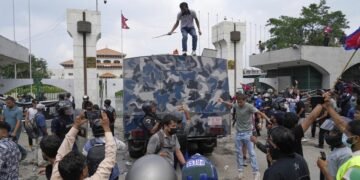
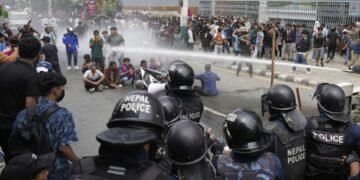
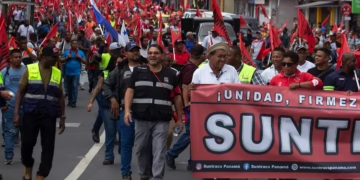
The protests in Nepal have erupted due to various socio-political issues, with young activists voicing their demands for change and reform. These demonstrations have intensified in recent days, prompting concerns for the safety of the players and the feasibility of the match. The Bangladesh Football Federation (BFF) is closely monitoring the situation and has been in communication with local authorities to assess the risks involved.
As the team remains holed up in their accommodation, there is a growing sense of unease regarding their ability to participate in the friendly fixture. The players, who arrived in Kathmandu with hopes of gaining valuable experience and exposure, are now grappling with the reality of being unable to train or prepare adequately for the match. The BFF has expressed its commitment to ensuring the safety of the players and staff, prioritising their well-being above all else.
In light of the protests, the federation is also considering alternative arrangements should the situation not improve. The friendly match against the local side was intended to serve as a preparatory outing ahead of future competitions, but the current circumstances have thrown those plans into disarray.
Supporters back home are understandably concerned about the welfare of the team, and messages of solidarity have been pouring in from various quarters. Fans are hopeful that the unrest will subside, allowing the players to return to the pitch and showcase their skills. Meanwhile, the players are trying to remain focused, despite the distractions caused by the ongoing protests outside their hotel.
The protests in Nepal have been marked by a fervent demand for political accountability and economic reform, particularly as young people express frustration over unemployment and a lack of opportunities. This atmosphere has understandably heightened the stakes for the Bangladesh footballers, who are now caught in the middle of a socio-political crisis.
As the hours tick by, the BFF is expected to make a decision regarding the match’s status soon. They are weighing options and considering the implications of proceeding with the match amid such unrest. The federation’s officials are in constant dialogue with local organisers and security forces to gauge the situation, ensuring they have the latest information before making any announcements.
Despite the challenges they face, the Bangladesh team remains hopeful that they can still fulfil their commitment to play. The friendly match is not only an opportunity for the players to gain experience but also a chance to foster goodwill and strengthen ties between the two nations through sport. However, with protests escalating, the likelihood of the match taking place remains uncertain.
The football community is rallying around the team, with calls for peace and stability in Nepal. Many believe that sport can be a unifying force, capable of bridging divides and fostering understanding, even in times of crisis. The hope is that the protests will lead to constructive dialogue and positive change, allowing the Bangladesh team to safely participate in their planned match and return home with valuable lessons learned.
As the situation unfolds, the players and coaching staff are maintaining their spirits while remaining cautious. They are relying on the support of their coaches and the BFF to navigate this challenging period. The outcome of this situation will not only affect the Bangladesh team but could also have broader implications for international sporting events held in Nepal in the future.