










































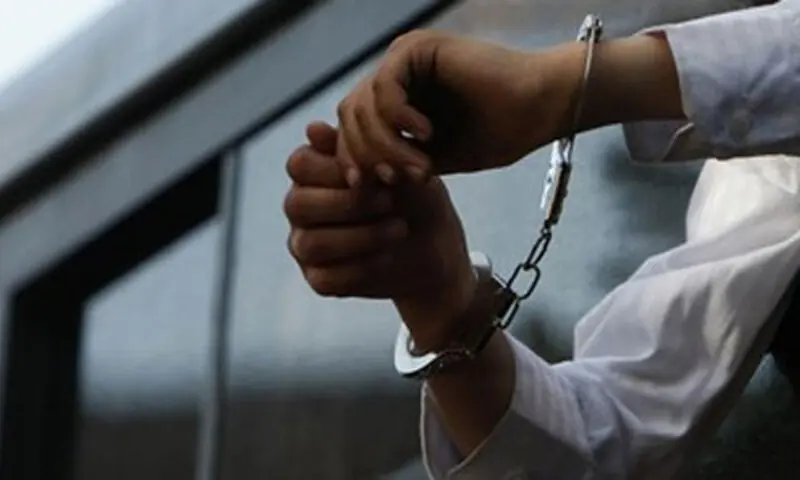
In Quetta, law enforcement officials have taken into custody more than one hundred individuals following a series of protests. These demonstrations were prompted by a recent suicide bombing during a meeting of the Balochistan National Party-Mengal (BNP-M), which occurred on 30 September. The tragic incident resulted in the loss of lives and injuries to many others, igniting outrage among various political factions and the general public.
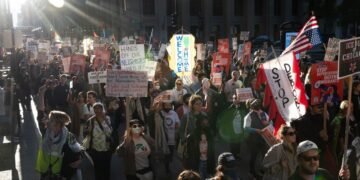
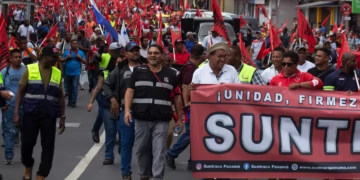
The protests escalated as six opposition parties declared a comprehensive wheel-jam strike, voicing their dissent against the government’s handling of the security situation in the region. This strike aimed to disrupt daily life, including public transport and commerce, as demonstrators sought to express their grievances over the increasing violence and instability in Balochistan. The opposition’s unity in this protest reflects their collective frustration with the government’s inability to ensure safety and security, particularly in light of the recent bombing.
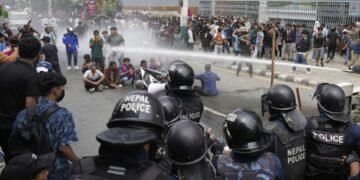
As a response to the mounting tensions, local authorities enforced Section 144, which prohibits gatherings of more than four individuals in a specified area, in an effort to prevent further unrest. This legal measure was implemented to maintain public order and safety, yet it has also drawn criticism from activists and opposition leaders who argue that it infringes upon their right to peacefully assemble and protest. The police action, which involved the arrest of numerous demonstrators, was met with mixed reactions from the community, with some supporting the enforcement of law and order while others condemned the crackdown on dissent.
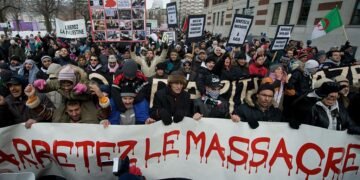
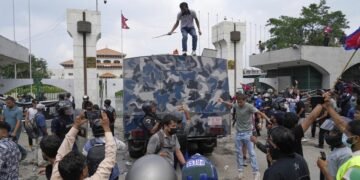
During the protests, many shops remained closed, and roads were blocked as protesters took to the streets, demanding accountability and justice for the victims of the suicide bombing. The opposition parties called for a thorough investigation into the attack, urging the government to take decisive action against those responsible for perpetuating violence in the province. The strike not only aimed to highlight the immediate concerns regarding security but also sought to address the broader issues of governance and accountability that have plagued Balochistan for years.
The suicide bombing that catalysed these protests was particularly devastating, occurring during a time when political tensions in the region were already high. The BNP-M, a significant political player in Balochistan, has been vocal in its criticism of the government’s policies, particularly concerning the management of security and development in the province. The party’s leadership has called for increased protection for its members and constituents, as violence against politicians and activists has surged in recent months.
As the situation unfolds, the response from the provincial government and law enforcement will be scrutinised closely, particularly regarding their approach to handling dissent and ensuring public safety. The opposition’s ability to mobilise support and maintain pressure on the government will also be pivotal in shaping the political landscape in Balochistan moving forward. The arrests made during the protests signify a broader struggle between state authority and civil liberties, a dynamic that continues to evolve in response to the region’s complex socio-political realities.
While the immediate focus remains on the aftermath of the suicide bombing and the subsequent protests, the implications of these events are likely to resonate throughout the province. The opposition’s call for a united front against violence and insecurity may galvanise further activism, as citizens and political leaders alike demand a more robust response to the challenges facing Balochistan. As discussions around security and governance intensify, the actions taken by both the government and opposition parties will be critical in determining the future trajectory of peace and stability in the region.