





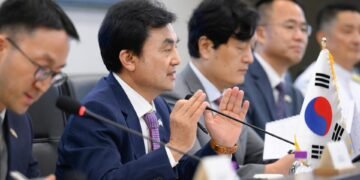
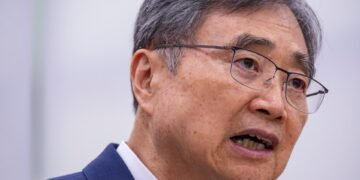

















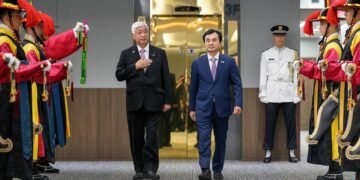



































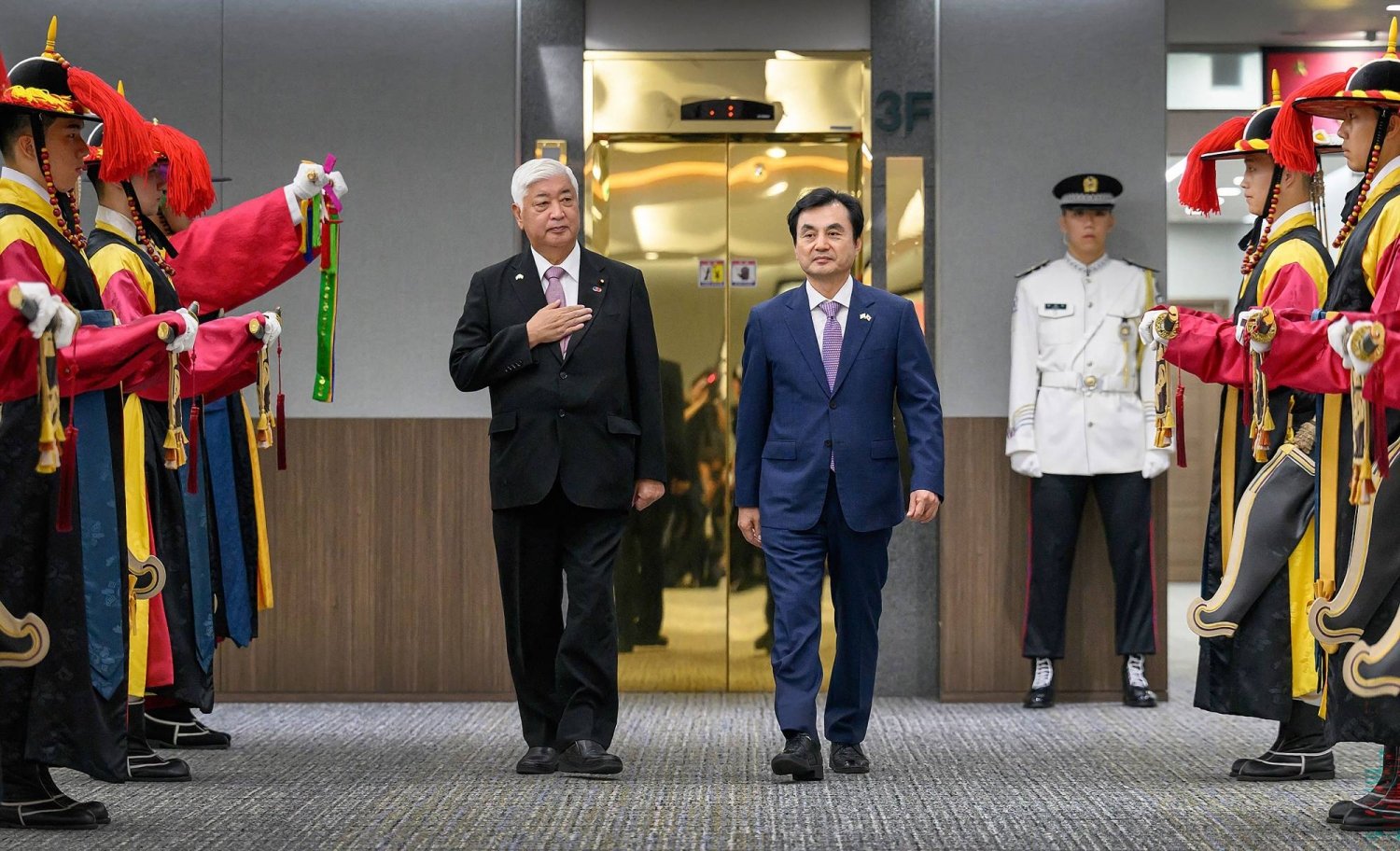
During a historic visit, Japan’s Defence Minister Gen Nakatani met with his South Korean counterpart in a significant move aimed at enhancing bilateral defence relations. This marked the first time in ten years that a Japanese defence chief has made an official visit to South Korea, reflecting a thawing of relations between the two nations that have been historically strained over various issues, including wartime grievances and territorial disputes.
The discussions between Nakatani and South Korean Defence Minister Lee Jong-sup focused on establishing regular high-level meetings and fostering cooperation in technological advancements related to defence. Both ministers acknowledged the importance of maintaining a robust partnership in the face of regional security challenges, particularly the evolving threat posed by North Korea’s nuclear ambitions and missile programmes.
Nakatani’s visit comes at a crucial time as both nations seek to bolster their military readiness and collaborative efforts in defence. The agreement to hold regular meetings is seen as a pivotal step towards enhancing communication and coordination between the two countries’ armed forces. This initiative aims to address mutual security concerns and to improve joint responses to potential threats in the region.
The ministers also discussed the enhancement of intelligence sharing between Japan and South Korea, which is essential for maintaining regional stability. Effective intelligence cooperation can significantly improve the ability of both nations to respond swiftly to any provocations from North Korea. Nakatani emphasised the importance of transparency and trust in military interactions, which can foster a stronger alliance against common threats.
In addition to military cooperation, the talks also included discussions on joint exercises and training programmes. These initiatives are designed to improve interoperability between the Japanese Self-Defence Forces and the South Korean military, enhancing their collective operational capabilities. Such exercises are vital for ensuring that both forces can work seamlessly together in the event of a crisis.
The meeting is part of a broader trend of increasing military collaboration among the United States, Japan, and South Korea in response to the growing assertiveness of China and the ongoing challenges posed by North Korea. The trilateral cooperation has been gaining momentum, with various joint military drills and strategic dialogues being held to strengthen the alliance.
Moreover, the agreement to pursue technological cooperation in defence signifies a forward-looking approach by both nations. This could involve joint research and development projects aimed at advancing capabilities in areas such as cyber defence, missile defence systems, and other cutting-edge technologies. Collaborative efforts in these fields can lead to significant advancements that enhance national security and regional stability.
Nakatani’s visit and the subsequent agreements underscore a mutual recognition of the need for closer ties in an increasingly complex security environment. Both ministers expressed a commitment to overcoming historical grievances and focusing on the future of their defence relationship. This shift in perspective is viewed as essential for fostering a more stable and secure Northeast Asia.
The implications of this meeting extend beyond bilateral relations, as it signals a commitment to deeper integration within the region. With North Korea’s continued provocations and China’s rising influence, Japan and South Korea are realising the necessity of standing together to address these challenges. The establishment of regular dialogue and cooperation frameworks is likely to enhance the resilience of both nations in the face of external threats.
As Japan and South Korea embark on this new chapter of defence cooperation, their ability to sustain momentum will be critical. The success of these initiatives will rely on political will, mutual understanding, and the dedication of both governments to prioritise security collaboration over historical grievances. The outcome of Nakatani’s visit may well serve as a foundation for a more secure and cooperative future for both nations.