



































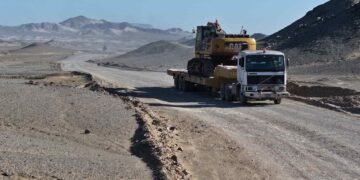




















The Reko Diq copper-gold project in Pakistan has successfully garnered pledges amounting to $6 billion, marking a significant milestone for the venture following the withdrawal of Saudi Arabia’s involvement. This development comes as the project, which is anticipated to become one of the largest copper mines globally, is spearheaded by Canada’s Barrick Gold Corporation. The mine is located in the resource-rich province of Balochistan, an area that has historically been the focus of various mining initiatives due to its vast mineral deposits.
The Reko Diq project has experienced a tumultuous journey, facing multiple legal and regulatory hurdles over the years. Initially, the project was awarded to a consortium that included Barrick Gold and Antofagasta, a Chilean mining company. However, in 2011, the Pakistani government revoked the mining lease, leading to a protracted legal battle that saw the matter escalate to international arbitration. In 2019, a ruling by the International Centre for Settlement of Investment Disputes ordered Pakistan to pay $5.8 billion in damages to the mining companies, a decision that significantly impacted the country’s economic landscape.
Despite these challenges, the recent pledges indicate renewed confidence in the project’s viability. The involvement of Barrick Gold, which has extensive experience in managing large-scale mining operations, is viewed as a crucial factor in attracting investment. The company has committed to advancing the project, which is expected to produce substantial quantities of copper and gold, thus contributing to Pakistan’s economic growth.
The project is poised to play a pivotal role in boosting the local economy, creating thousands of jobs, and generating significant tax revenues for the government. The anticipated output from Reko Diq is expected to meet a considerable portion of the demand for copper, a metal that has seen a surge in demand due to its essential role in various industries, particularly in the production of electric vehicles and renewable energy technologies.
Pakistan’s government has been keen to revitalise the mining sector, recognising its potential to enhance foreign direct investment and stimulate economic development. The country is rich in mineral resources, yet the sector has remained underdeveloped for years due to bureaucratic inefficiencies and security concerns. The Reko Diq project represents a critical step towards unlocking this potential, with the government actively working to provide a conducive environment for foreign investors.
In light of the recent pledges, discussions are underway regarding the project’s next phases, including the necessary infrastructure development to support mining operations. This includes considerations for transportation networks and power supply, which are essential for the successful implementation of the project. The government’s commitment to improving infrastructure in Balochistan is seen as a vital component of the project’s success, as it will not only facilitate mining activities but also enhance connectivity for local communities.
Moreover, the potential environmental implications of the Reko Diq project are being closely monitored. Barrick Gold has stated its commitment to adhering to international environmental standards, which is crucial in addressing concerns from local communities and environmental groups. The company has pledged to implement sustainable practices that minimise the ecological footprint of mining operations, a factor that will be essential in maintaining public support for the project.
As the global demand for minerals continues to rise, particularly for green technologies, the strategic importance of Reko Diq is becoming increasingly apparent. The project’s success could serve as a model for future mining ventures in Pakistan and could lead to further exploration and investment in the country’s untapped mineral wealth. The Reko Diq copper-gold mine is not only a significant economic opportunity for Pakistan but also a potential game-changer for the region’s mining industry, positioning the country as a key player in the global minerals market.