





























































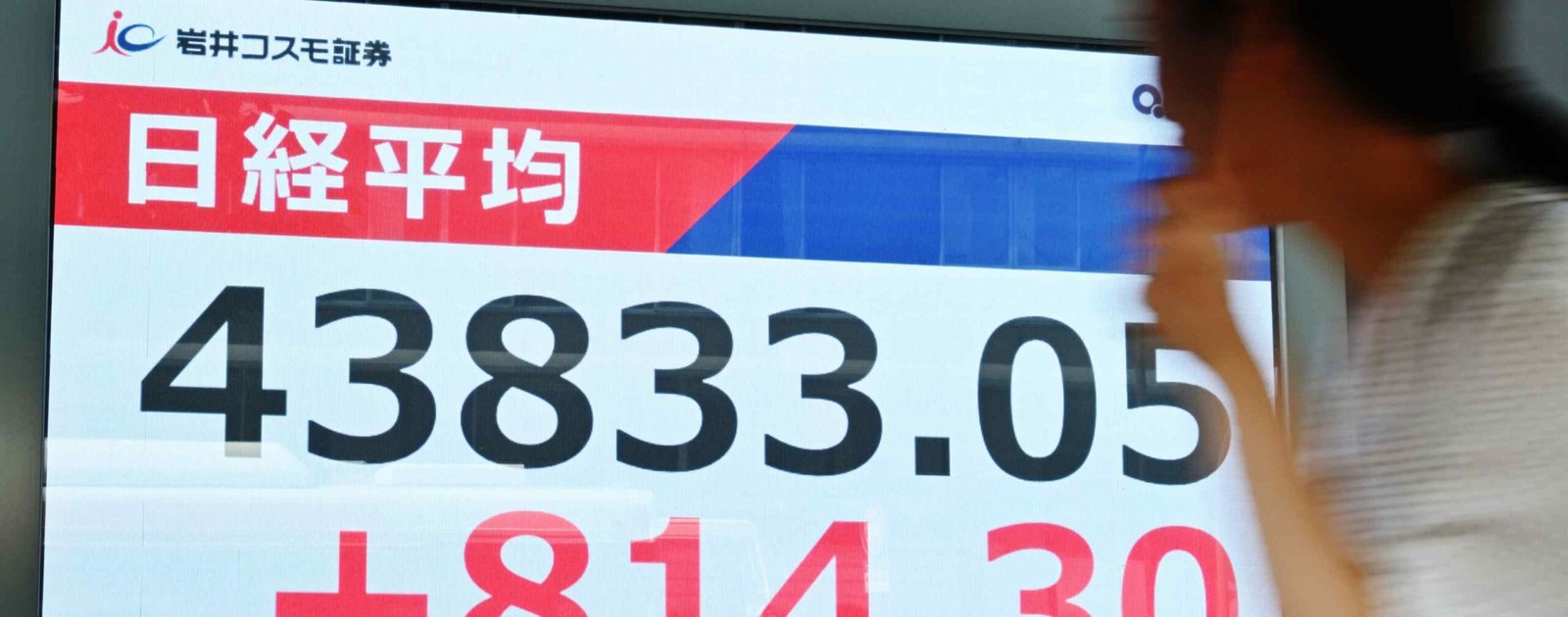
Japan’s Nikkei 225 index has finished just below its record high, showcasing the resilience of the nation’s stock market in a climate of uncertainty. The index closed at 33,361.11 points, a mere 0.2% short of its all-time peak, which was recorded in 2021. This performance comes on the heels of significant political developments, particularly the resignation of Prime Minister Shunichi Ishiba, which has stirred speculation regarding the country’s fiscal policies and the potential direction of monetary policy set by the Bank of Japan (BOJ).
The resignation of Ishiba, who had recently taken office, raises questions about the continuity of his administration’s economic strategies. His departure has led to discussions about a possible shift in fiscal expansion plans that were aimed at stimulating growth. Analysts are now pondering whether a new leader might adopt a more aggressive approach to fiscal policy or continue the existing strategies which have been pivotal in navigating Japan through economic challenges.
The market’s positive trajectory can be attributed to a combination of robust corporate earnings and optimistic investor sentiment regarding the global economic recovery. Japanese companies have reported better-than-expected profits, which has buoyed investor confidence. This optimism is further fuelled by expectations that the BOJ may shift its monetary stance in response to inflationary pressures that have been building up, leading to speculation about a potential rate hike in the near future.
Investors are closely monitoring the BOJ’s next moves, especially in light of rising consumer prices. Inflation in Japan has remained subdued for years, but recent data indicates that it is beginning to creep upwards, prompting speculation about how the central bank will respond. The BOJ has maintained an ultra-loose monetary policy for an extended period, but the changing economic landscape could force a reconsideration of this stance.
The Nikkei’s near-record close reflects a broader trend seen across global markets, where equities have generally performed well as economies emerge from the constraints imposed by the COVID-19 pandemic. The outlook for Japan’s economy remains cautiously optimistic, although challenges such as supply chain disruptions and geopolitical tensions continue to pose risks.
In the wake of Ishiba’s resignation, the political landscape in Japan may also influence market dynamics. Investors will be keen to see how the ruling Liberal Democratic Party (LDP) responds to this leadership change and what policies will be prioritised by Ishiba’s successor. Given the LDP’s long-standing dominance in Japanese politics, the incoming prime minister will likely have significant influence over the country’s economic direction.
The ongoing debate about fiscal stimulus and monetary policy is critical, especially as Japan grapples with an ageing population and stagnant growth rates. The new leadership will need to address these structural issues while navigating the immediate economic recovery from the pandemic.
In the short term, market participants are likely to remain vigilant, watching for signals from both the government and the BOJ regarding future policy directions. The potential for increased fiscal spending and a shift in monetary policy could provide further impetus for the Nikkei index as it attempts to break through its previous high.
Overall, while the resignation of Prime Minister Ishiba introduces an element of uncertainty, it also opens the door for new strategies that could invigorate Japan’s economy. As the market reacts to these developments, the coming weeks will be crucial in determining the trajectory of the Nikkei and the broader Japanese economy.