





















































More than 120 local leaders from across Canada have united in a strong call for the federal government to shift its focus from fossil fuel infrastructure to bold, future-forward climate solutions. In an open letter to federal political parties, the group — made up of mayors, deputy mayors, city councillors, and regional directors — outlined a comprehensive climate strategy that they say is crucial to protecting communities and building a resilient, green economy.
This national coalition, representing millions of Canadians, is pushing for a dramatic shift in federal priorities. Their demands include constructing a nationwide clean electricity grid that reaches northern and remote communities, launching a high-speed rail system, building two million affordable and environmentally friendly homes, and implementing a national climate disaster response and recovery strategy.
Climate Policy over Pipelines
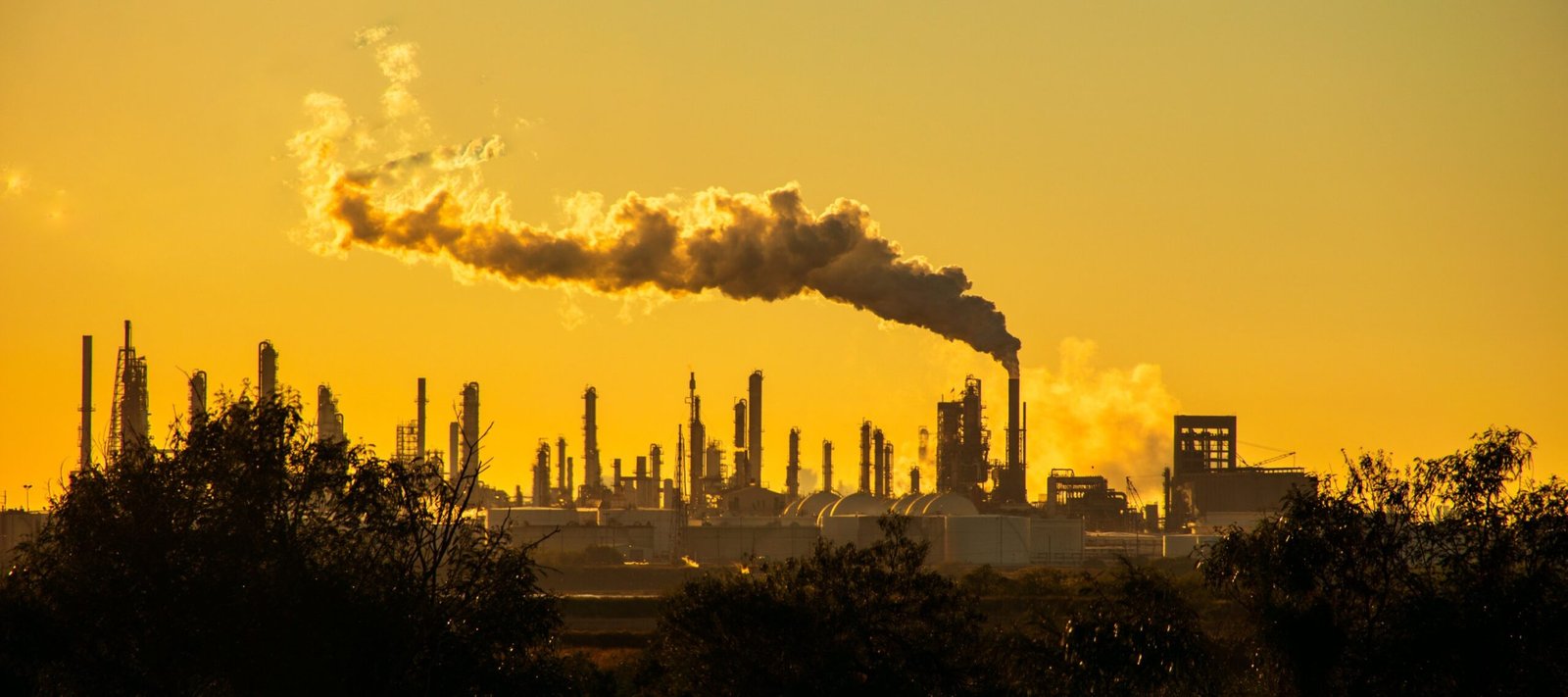
The leaders took particular aim at ongoing federal support for pipeline expansion, arguing that continued investment in fossil fuel infrastructure undermines Canada’s efforts to combat climate change and leaves communities more vulnerable to natural disasters.
“Let’s be honest: new pipelines require massive public handouts, trample on Indigenous sovereignty, and will mean more climate disasters hitting our cities and towns in years to come,” the letter states.
Rather than doubling down on oil and gas projects, the signatories urged Ottawa to redirect billions in fossil fuel subsidies toward renewable energy, sustainable housing, and public infrastructure that can withstand climate shocks.
Calls for Resilience Amid Growing Disasters
In recent years, extreme weather events have left a devastating impact on many Canadian municipalities. Communities such as Montreal and Jasper have endured record-breaking floods and wildfires, forcing evacuations and straining emergency services.
In Montreal, torrential rains triggered catastrophic flooding, resulting in billions in damages and prompting calls for improved drainage and flood-resistant building practices. Jasper, meanwhile, saw one of the worst wildfire seasons in its history, displacing residents and destroying homes.
“These events are not isolated,” said Jasper Mayor Richard Ireland. “They’re becoming the norm, and our communities need real support, not just sympathy. We need a federal response plan that includes rapid housing solutions, economic recovery strategies, and investment in climate-resilient infrastructure.”
Ireland emphasized the importance of updating national building codes to require fire- and flood-resistant construction standards and urged the federal government to fund the creation of fire breaks and other preventative infrastructure.
A National Vision for Sustainability
Montreal Mayor Valérie Plante, another signatory, echoed the need for decisive federal action, warning that simply maintaining the status quo or approving more pipelines would signal a lack of vision.
“We don’t need more pipeline deals. We need a bold, green vision for Canada’s future — one that reduces emissions, creates jobs, and keeps our communities safe,” Plante said.
The leaders say that transitioning to a clean energy economy presents enormous opportunities for growth. Investments in green homes and transit would not only curb carbon emissions but also create thousands of jobs in construction, engineering, and the manufacturing of building materials like steel and lumber — industries currently at risk from shifting trade policies and foreign tariffs.
Politics and Climate: A Missing Link
Despite the urgency, climate change has largely taken a backseat in the current federal election narrative. Issues such as economic uncertainty, foreign relations, and energy independence have dominated political discourse, with candidates offering minimal insight into their environmental strategies.
The coalition of municipal leaders believes this is a grave oversight, especially as Canada grapples with worsening wildfires, floods, and heatwaves — all scientifically linked to global warming.
“This election must be about our survival,” said one deputy mayor who signed the letter. “If we don’t prioritize climate resilience now, we’ll be paying far more in damage control later.”
Looking Forward: Hope and Urgency
The municipal officials are hopeful that their letter will spark broader public engagement and pressure federal candidates to take meaningful stances on climate policy. They are also calling on citizens to vote with the environment in mind, arguing that local experiences of climate disasters reflect a national crisis in the making.
“We live in a complex world, but one thing is clear: the environment rules it all,” said Ireland. “Now is the time to focus on what really matters.”
As Canada continues to confront the realities of a warming planet, the question remains whether national leaders will embrace the bold climate agenda their cities so urgently need — or continue to invest in industries that many believe belong to the past.