




























































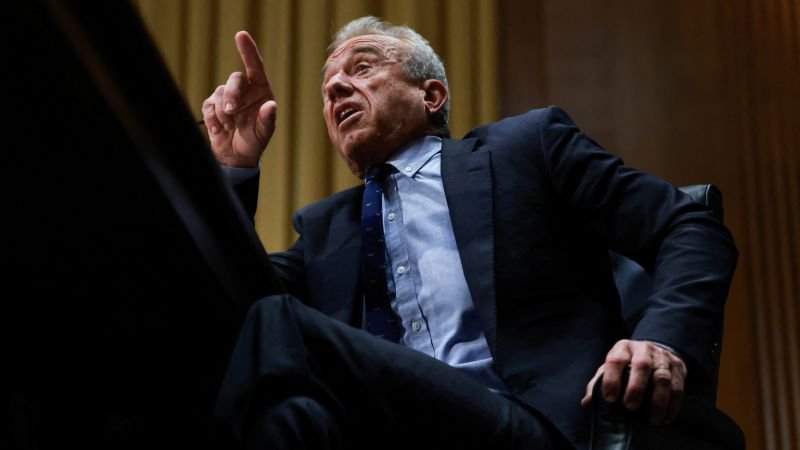
Robert F. Kennedy Jr., the Secretary of Health and Human Services, has expressed a stark criticism of the performance of US health agencies, stating that he sees no significant achievements in their operations. During a recent interview, Kennedy articulated his belief that the influence of pharmaceutical companies has severely compromised the integrity and effectiveness of these agencies, resulting in a series of detrimental decisions that have adversely affected public health.
Kennedy’s remarks come at a time when trust in public health institutions is particularly crucial, especially in the wake of the COVID-19 pandemic. The pandemic has not only tested the resilience of health systems but has also sparked widespread scrutiny over the decisions made by health authorities. Kennedy’s assertion reflects a growing sentiment among some members of the public who feel that the interests of pharmaceutical companies are often prioritised over the well-being of citizens.
The Health and Human Services Department, which Kennedy oversees, plays a pivotal role in managing a wide array of health-related issues across the nation. This includes overseeing the Centers for Disease Control and Prevention (CDC), the Food and Drug Administration (FDA), and the National Institutes of Health (NIH). Given their significant responsibilities, any claim of ineffective governance or lack of success raises alarm bells regarding the overall state of public health policy.
Kennedy’s criticism specifically highlighted what he perceives as a troubling trend where corporate interests overshadow scientific integrity. He contended that the relationships between health agencies and pharmaceutical companies have led to compromised decision-making processes. This perspective echoes concerns raised by various health advocates who argue that the pharmaceutical industry’s lobbying power can skew regulations and result in policies that may not serve the public’s best interests.
The influence of the pharmaceutical industry on health policy has been a contentious issue for years. Critics argue that financial ties between drug manufacturers and health authorities can create conflicts of interest that undermine the credibility of health recommendations. Kennedy’s comments resonate with those who advocate for greater transparency and accountability in how health policies are formulated and implemented.
Moreover, Kennedy’s statements come against a backdrop of ongoing debates about vaccine safety, drug pricing, and the accessibility of healthcare. His viewpoint underscores a broader discourse regarding the need for reform within health agencies to ensure that they function independently of commercial influences. The call for a reassessment of the relationship between health agencies and the pharmaceutical sector is gaining traction, especially as public trust in these institutions continues to wane.
In light of Kennedy’s remarks, there may be increased pressure on health agencies to demonstrate their commitment to public health over corporate profit. This could involve adopting stricter regulations on how pharmaceutical companies interact with government health departments, as well as enhancing transparency in the decision-making processes that affect public health policies.
Kennedy’s perspective is likely to fuel ongoing discussions about the role of government in health care and the need for systemic changes to restore public confidence in health agencies. As the nation grapples with various health challenges, including rising chronic disease rates and ongoing public health crises, the effectiveness of health agencies has never been more critical.
In summary, Kennedy’s declaration of perceived failures within US health agencies highlights significant concerns regarding the influence of pharmaceutical companies and calls for a re-evaluation of the operational frameworks that govern public health. The implications of such criticisms could lead to substantial changes in how health policies are crafted and executed, ultimately aiming to prioritise the health needs of the American public.