


























































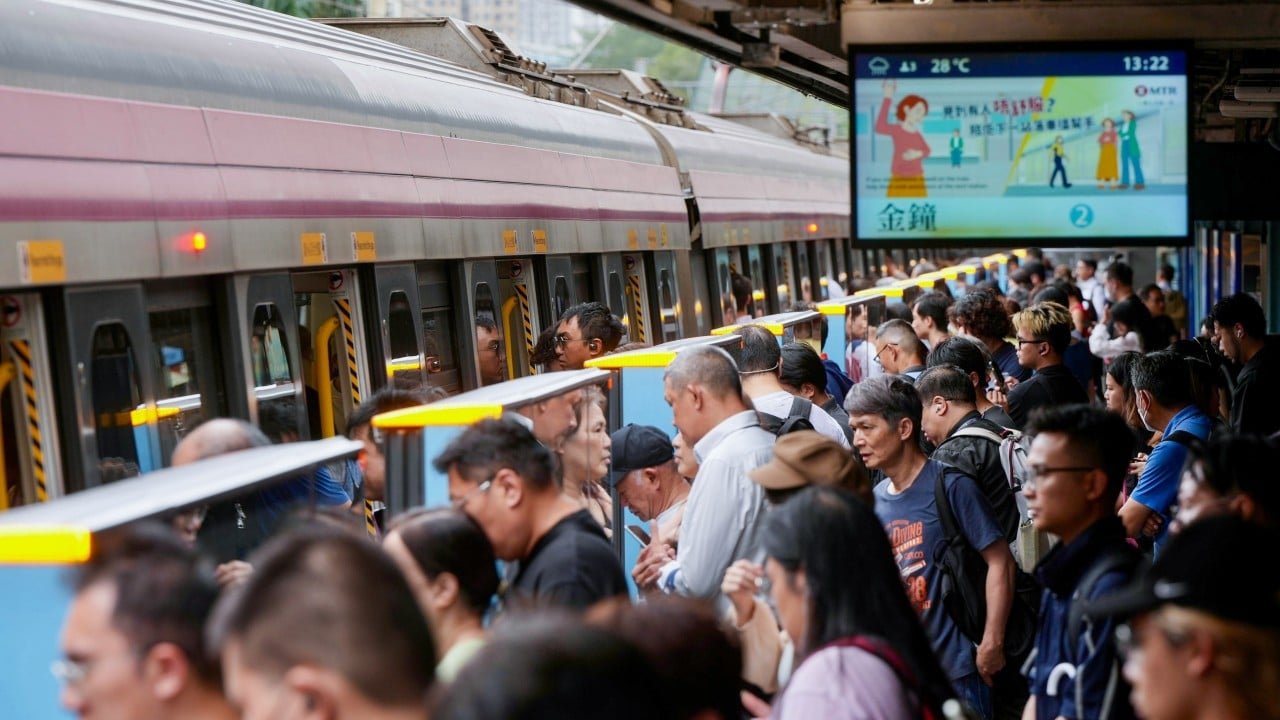
Hong Kong swiftly resumed its usual activities on Monday afternoon after Severe Tropical Storm Tapah passed, having enforced the No 8 typhoon signal for nearly 16 hours. The storm caused significant disruptions, including the cancellation of approximately 140 flights, suspension of school classes, and adjustments to work arrangements for many individuals across the city.
During the morning when the No 8 signal was in effect, an incident occurred involving an HK Express flight, UO235, which was believed to have collided with signage boards while taxiing on the north runway at Hong Kong International Airport. Fortunately, the aircraft came to a halt on the taxiway without causing any injuries to the 137 passengers aboard.
In anticipation of the storm’s impact, many residents adjusted their schedules, opting to work from home or take leave as a precautionary measure. Educational institutions across the region had pre-emptively suspended classes, ensuring the safety of students amid the inclement weather. As the typhoon’s winds and heavy rain subsided, the city gradually returned to its bustling state, with public transport services resuming operations and businesses reopening their doors.
The Hong Kong Observatory had issued warnings ahead of the storm, outlining potential hazards associated with the severe weather conditions. As the storm made landfall, residents experienced powerful winds and heavy rainfall, prompting the observatory to take necessary precautions. Local authorities were on high alert, ready to respond to any emergencies that might arise as a result of the storm’s effects.
As the situation improved, the observatory downgraded the typhoon signal, allowing for a return to normalcy. The city’s infrastructure, having been tested by the storm, demonstrated resilience, with most services quickly getting back on track. However, the aftermath of the storm did leave some areas with debris and minor flooding, which local teams worked diligently to address.
Public transport systems, including buses and the MTR, resumed operations following the lifting of the typhoon signal, facilitating the movement of commuters eager to return to their daily routines. Many businesses, having temporarily closed their doors, reopened in the afternoon, welcoming back customers and clients. The quick recovery highlighted the city’s preparedness for such weather events, reflecting the robust planning and response mechanisms in place.
Despite the disruptions caused by Typhoon Tapah, Hong Kong’s resilience was evident as the community banded together to support one another during this challenging time. Emergency services were mobilised to assist those in need, particularly in areas that experienced more severe impacts from the storm. The collaborative efforts of local authorities, businesses, and residents contributed significantly to the swift recovery process.
As the city moved forward from the storm, discussions arose regarding the implications of climate change and the increasing frequency of severe weather events in the region. Experts noted that Hong Kong, like many coastal cities, must continue to adapt and enhance its infrastructure to better withstand such natural occurrences. The experience of Typhoon Tapah served as a reminder of the importance of preparedness and community resilience in the face of unexpected challenges.
In the days following the storm, residents were encouraged to remain vigilant and to stay informed about any further weather developments. Local agencies continued to monitor the situation, ensuring that the public received timely updates on any potential risks. Overall, the experience of Typhoon Tapah reinforced the need for ongoing dialogue about climate resilience and the strategies necessary to safeguard the city against future storms.