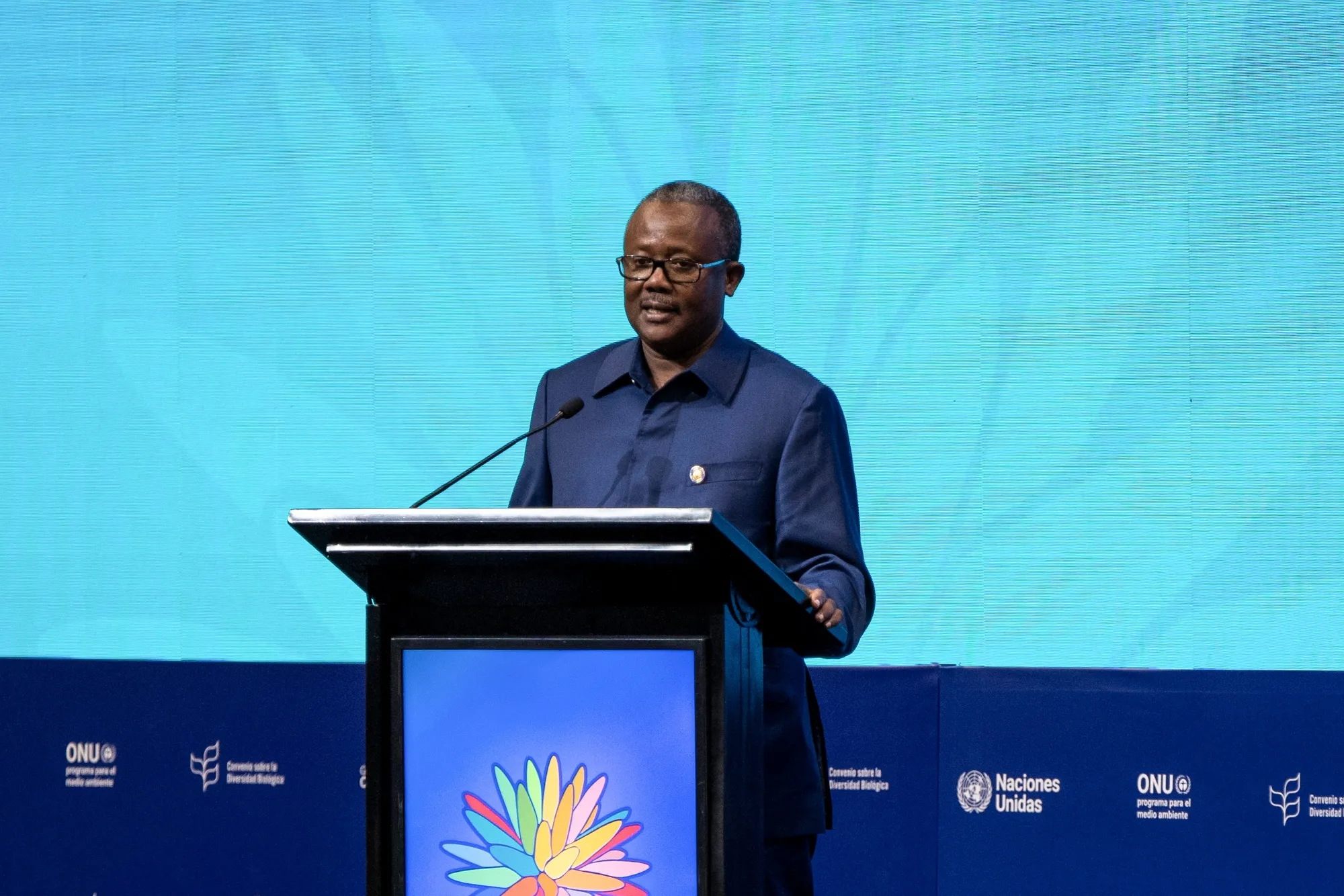







































A delegation from the Economic Community of West African States (ECOWAS) has abruptly ended its mission in Guinea-Bissau, citing threats of expulsion from President Umaro Sissoco Embalo. The team had been dispatched to the country last month in a bid to mediate political tensions and assist in reaching a consensus on the organization of upcoming national elections.
According to the regional bloc, the delegation had drafted a proposed roadmap aimed at guiding Guinea-Bissau toward peaceful and inclusive elections. Discussions had already begun with key political stakeholders to build agreement around the framework. However, mounting political friction led the ECOWAS team to withdraw early Saturday, following what it described as a direct threat from President Embalo.
While the president has not publicly responded to the claims, the ECOWAS delegation announced its intention to submit a full report to the bloc’s leadership. The report will include recommendations on the next steps, which may involve renewed efforts to support electoral stability in the country.
The political situation in Guinea-Bissau remains volatile, centered on disputes over the expiration date of Embalo’s presidential mandate. Opposition leaders argue that his five-year term ended last week, whereas the Supreme Court of Justice ruled that the mandate officially concludes on September 4.
Originally, general elections were scheduled for November 2023, but were postponed by Embalo, who later announced a new election date set for November 30, 2024. The opposition has rejected this delay, viewing it as a tactic to extend the president’s time in office unconstitutionally.
The country has a history of political instability, having endured multiple coups since gaining independence in 1974. President Embalo himself has survived two attempted coups, the latest occurring in December 2023. That incident led to the dissolution of the opposition-controlled parliament, further deepening the political crisis.
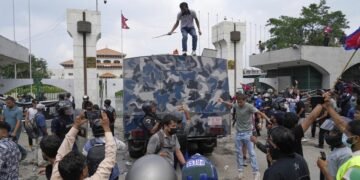
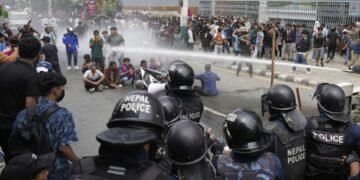
Tensions flared again last week when opposition groups called for a nationwide strike to mark what they claimed was the official end of Embalo’s term. In response, the government deployed heavy security across the capital to maintain order. On the eve of the strike, President Embalo departed for Moscow, where he held talks with Russian President Vladimir Putin, reportedly discussing avenues for bilateral cooperation.
As political uncertainty deepens and elections approach, ECOWAS and international observers continue to monitor Guinea-Bissau’s fragile political landscape, urging all sides to prioritize democratic processes and avoid actions that could further destabilize the country.