























































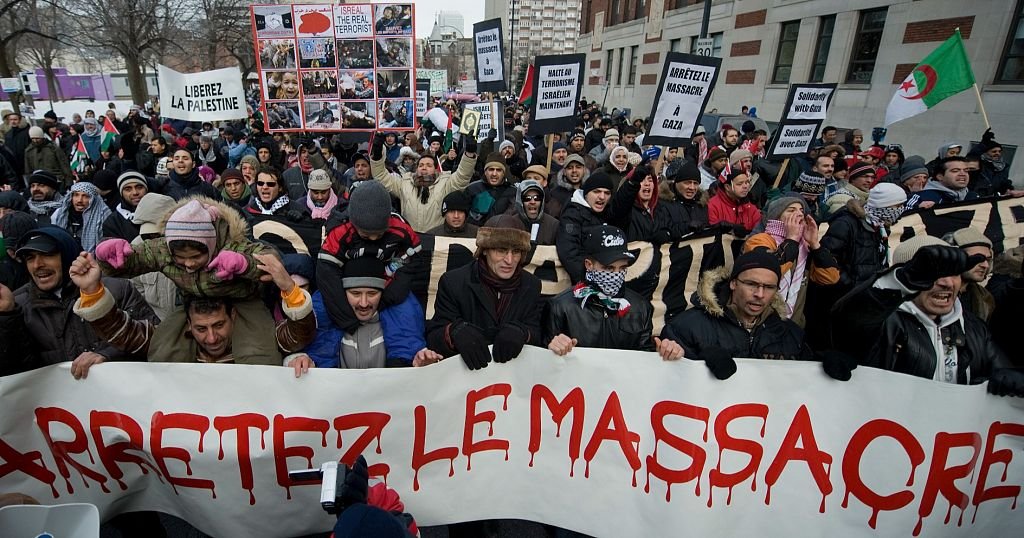
Over the weekend, thousands of demonstrators took to the streets in Kenya, Senegal, and South Africa to voice their opposition to Israel’s ongoing military actions in Gaza. This surge of protests comes amidst growing concerns about a worsening humanitarian crisis in the region. The demonstrations were marked by a diverse array of participants, including lawmakers, civil society organisations, and human rights activists, all united in their call for an end to the violence and a renewed focus on peace negotiations.
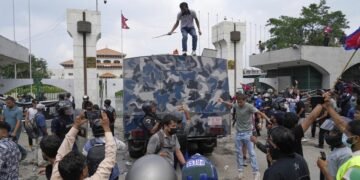
In Dakar, the capital of Senegal, the streets were filled with protesters carrying banners and chanting slogans such as “No to genocide” and “Boycott Israel.” The demonstration was notable for its peaceful nature, with participants urging their government to take a firm stance by severing diplomatic ties with Israel. There was a strong call for international intervention, with many urging global leaders to push for a revival of negotiations towards a two-state solution, which has long been viewed as a potential pathway to peace in the region.
Meanwhile, in Nairobi, the capital of Kenya, hundreds of people gathered in a solidarity rally. The scene was vibrant, with bikers and motorists waving Palestinian flags and chanting “Free, free Palestine.” The demonstrators expressed their outrage over the targeting of civilians and hospitals in Gaza, describing the ongoing conflict as tantamount to genocide. The rally in Nairobi reflected a wider sentiment across the continent, where there is growing frustration over the perceived inaction of the international community in addressing the crisis.
South Africa, a country with a history of vocal criticism against Israel, also saw significant protests. Demonstrators took to the streets to reinforce the South African government’s position at the International Court of Justice, where it has accused Israel of committing acts of genocide. The South African government has been one of the most outspoken critics of Israel’s actions, and the protests served to bolster its stance on the international stage.
These protests were sparked by a recent declaration from the United Nations, which highlighted the dire situation in Gaza. According to the UN, more than half a million people in the enclave, the majority of whom are children, are currently living in famine conditions. This crisis has been exacerbated by Israeli restrictions on the flow of humanitarian aid, which have severely limited the ability of relief organisations to provide much-needed assistance to the affected population.
The humanitarian toll in Gaza has been staggering. According to the health ministry in Gaza, at least 62,000 Palestinians have lost their lives since October 2023, with thousands more injured or reported missing. The conflict has left a trail of devastation, with countless families torn apart and communities shattered. The international community has been urged to take immediate action to address the humanitarian needs of the people in Gaza and to work towards a lasting resolution to the conflict.
The protests in Kenya, Senegal, and South Africa are part of a broader wave of pro-Palestinian demonstrations that have been taking place around the world. These protests have highlighted the deep-seated frustration and anger felt by many over the ongoing conflict and the lack of progress towards a peaceful resolution. The demonstrators have called for an end to the violence and for renewed efforts to achieve a just and lasting peace in the region.
The situation in Gaza is a complex and deeply entrenched conflict that has its roots in the broader Israeli-Palestinian conflict. The region has been a focal point of tension for decades, with numerous attempts at peace negotiations failing to bring about a lasting solution. The international community has long recognised the need for a two-state solution, which would see the establishment of an independent Palestinian state alongside Israel. However, progress towards this goal has been hampered by a range of factors, including political divisions, security concerns, and a lack of trust between the parties involved.
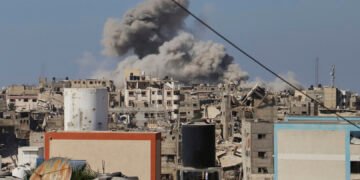
The recent escalation of violence in Gaza has only served to further complicate the situation. The Israeli military has launched numerous airstrikes on the enclave, targeting what it describes as terrorist infrastructure. However, these strikes have also resulted in significant civilian casualties, prompting widespread condemnation from the international community. The Israeli government has defended its actions as necessary for its security, but critics argue that the use of force has been disproportionate and has only served to exacerbate the humanitarian crisis.
The protests in Kenya, Senegal, and South Africa reflect a growing sense of urgency among many around the world who are calling for an end to the violence and a renewed focus on peace. The demonstrators have called on their governments to take a more active role in pushing for a resolution to the conflict and to hold Israel accountable for its actions. There is a strong desire for the international community to step up its efforts to broker a peace deal and to provide much-needed humanitarian assistance to the people of Gaza.
As the situation in Gaza continues to deteriorate, the pressure on world leaders to act is mounting. The protests serve as a stark reminder of the human cost of the conflict and the urgent need for a resolution. The international community has a responsibility to work towards a peaceful solution that addresses the legitimate concerns of both Israelis and Palestinians and ensures the protection of human rights for all. The path to peace may be fraught with challenges, but it is a goal that must be pursued with determination and resolve.