


















































The Federal Trade Commission (FTC) in the United States has initiated legal action against a major ticket resale platform, accusing it of employing automated bots to purchase large quantities of tickets for high-demand events, including concerts by renowned artists Taylor Swift and Bruce Springsteen. This move is part of a broader effort to regulate ticket sales and protect consumers from exorbitant markups and unfair practices in the live entertainment industry.
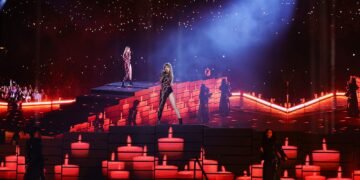
The lawsuit highlights the increasing tension between consumers and ticket resellers, particularly in light of the soaring prices for popular events. Swift and Springsteen, both of whom have recently embarked on extensive concert tours, have become emblematic of this issue, drawing significant media attention and public outcry regarding ticket availability and pricing.
The FTC alleges that the reseller in question has used these automated systems to acquire tickets almost instantaneously, often before the general public has an opportunity to purchase them. This practice not only limits access for ordinary fans but also enables the reseller to sell these tickets at inflated prices, sometimes marking them up by several hundred per cent. This manipulation of the market has raised concerns among both consumers and lawmakers, who argue that it undermines the integrity of the ticket-buying experience.
In response to the growing dissatisfaction among fans, the commission’s action is seen as part of a broader crackdown on ticketing practices that have been perceived as exploitative. The issue has gained traction across the political spectrum, prompting discussions about potential reforms to ensure fair access to live events. The involvement of figures like Swift and Springsteen has only amplified the conversation, as both artists have vocalised their support for fans struggling to afford tickets to their shows.
The controversy surrounding ticket prices is not confined to the United States. Globally, fans have expressed frustration over similar issues, with many countries grappling with the implications of ticket scalping and the role of technology in exacerbating these problems. In the UK, for instance, legislation has been introduced to tackle the practice of using bots to buy tickets, aiming to create a fairer marketplace for live events.
The FTC’s lawsuit is poised to set a precedent in the ticketing industry, as it seeks to enforce stricter regulations on the use of automated purchasing systems. If successful, this could lead to significant changes in how tickets are sold and distributed, potentially benefiting consumers by increasing transparency and fairness in the market.
As the legal proceedings unfold, the situation serves as a reminder of the challenges faced by fans in securing tickets for live performances. The high demand for concerts by popular artists, coupled with the rise of aggressive resale practices, has created a complex landscape where genuine fans often find themselves priced out of the experience.
The connection between Taylor Swift, Bruce Springsteen, and the ongoing ticketing debate underscores a larger narrative about the evolving relationship between artists, their audiences, and the commercial entities that facilitate access to their performances. As the industry navigates these challenges, the hope is that reforms will lead to a more equitable system that prioritises the interests of fans over profit-driven motives.