

























































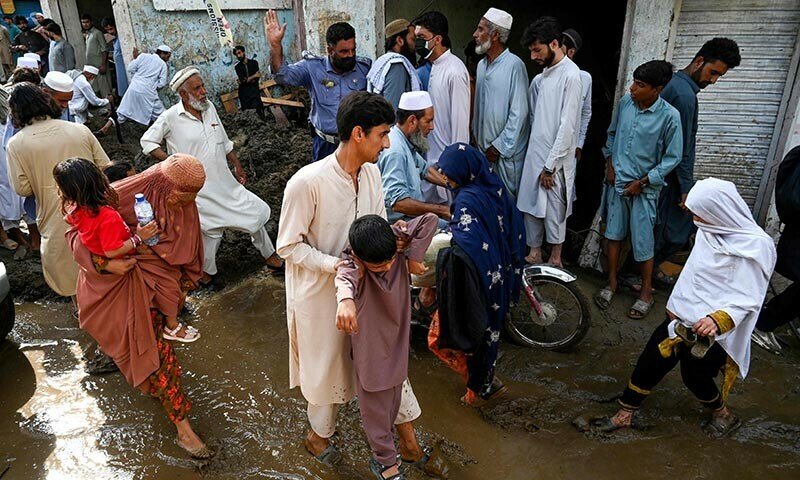
In a significant humanitarian effort, the provincial government of Balochistan has dispatched essential supplies to assist families affected by recent flooding in the regions of Gilgit-Baltistan (GB) and Khyber Pakhtunkhwa (KP). The shipment is aimed at providing relief to approximately 1,500 families in GB and 1,000 families in KP, who have been severely impacted by the natural disaster.
The flooding in these regions has resulted from heavy monsoon rains that have led to rising water levels, causing widespread damage to homes, infrastructure, and agricultural land. As communities grapple with the aftermath, local and provincial governments have been mobilising resources to meet the urgent needs of those displaced or affected by the floods.
Balochistan’s initiative comes as part of a broader response to disaster management and relief efforts across Pakistan, where various provinces have faced similar challenges due to extreme weather patterns exacerbated by climate change. The recent floods in GB and KP have highlighted the vulnerability of these mountainous regions, which often struggle with access to resources and infrastructure during times of crisis.
The supplies being sent from Balochistan include food items, clean drinking water, and other essential goods. These provisions are crucial for families who have lost their homes and livelihoods, as they attempt to rebuild their lives in the wake of the disaster. The support from Balochistan not only reflects a commitment to regional solidarity but also underscores the importance of inter-provincial cooperation in addressing humanitarian crises.
In addition to the aid from Balochistan, various non-governmental organisations (NGOs) and community groups are also actively involved in providing relief to flood victims. These organisations are working alongside government efforts to ensure that aid reaches those in need as quickly and efficiently as possible. The collaborative approach aims to mitigate the suffering of affected communities and assist in their recovery processes.
As Pakistan faces increasing challenges related to climate change, such as erratic weather patterns and natural disasters, the need for robust disaster preparedness and response mechanisms has become more pressing. The recent flooding serves as a reminder of the vulnerabilities faced by many regions in the country and the necessity for ongoing support and development initiatives to build resilience against future calamities.
The government of Balochistan’s response to the floods is a commendable step towards addressing immediate needs, but it also raises questions about long-term strategies for disaster risk reduction and climate adaptation. Stakeholders across the country are urged to engage in dialogue and develop comprehensive plans that not only respond to emergencies but also work towards preventing such disasters in the future.
The situation in GB and KP remains fluid, with ongoing assessments of the damage and the needs of affected communities. The government, alongside various aid organisations, continues to monitor the situation closely to ensure that relief efforts are sustained and effective.
As the regions begin to recover from the immediate impacts of the floods, the focus will shift towards rebuilding and rehabilitation, ensuring that families have the support they need to restore their lives and livelihoods. The solidarity shown by Balochistan in sending aid to its neighbouring provinces exemplifies the spirit of unity and cooperation that is essential in times of crisis.