



























































Japan Urged to Participate in Disarmament Summit Amid Rising Nuclear Threats
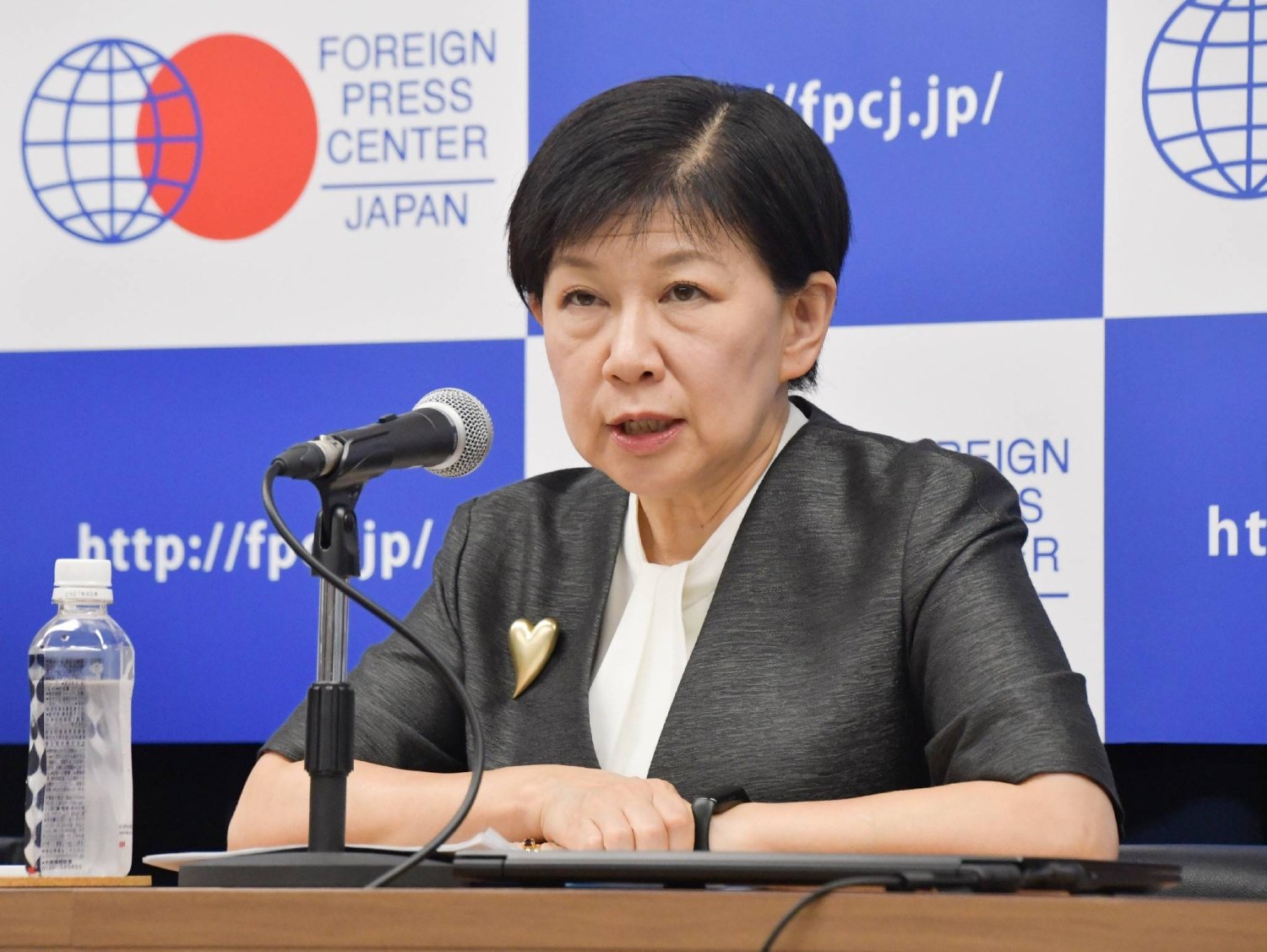
A senior United Nations official has called on Japan to take an active role in an upcoming disarmament summit, emphasising the critical need for international cooperation in the face of escalating global tensions and nuclear threats. Izumi Nakamitsu, the UN High Representative for Disarmament Affairs, has pointed out that Japan’s involvement is particularly important given its unique historical context as the only nation to have experienced nuclear bombings during World War II.
Nakamitsu’s remarks come at a time when international security dynamics are shifting rapidly. The resurgence of nuclear capabilities in various nations, coupled with geopolitical tensions in regions such as East Asia and Eastern Europe, has heightened concerns over the potential for nuclear conflict. The ongoing military activities in the Asia-Pacific region, especially those involving North Korea, have further underscored the urgency of disarmament discussions.
Japan, historically a proponent of nuclear non-proliferation and disarmament, has maintained a pacifist constitution since the end of World War II. However, recent developments, including North Korea’s nuclear advancements and China’s increasing military assertiveness, have prompted discussions within Japan about its own defence posture. The Japanese government has been faced with the complex challenge of balancing its pacifist principles with the need to ensure national security.
Nakamitsu stressed that the disarmament summit presents an invaluable opportunity for Japan to reaffirm its commitment to global peace and security. The summit is expected to gather representatives from various countries, international organisations, and civil society to discuss strategies for reducing nuclear arsenals and preventing the spread of nuclear weapons. Japan’s participation could serve to enhance its diplomatic standing and reinforce its role as a leader in advocating for disarmament.
The call for Japan’s engagement is also reflective of broader trends in the international community, where there is a growing recognition that disarmament is essential for safeguarding future generations. The UN has long championed disarmament as a means to prevent conflicts and promote sustainable development. The potential for nuclear weapons to cause catastrophic humanitarian consequences highlights the need for robust international frameworks aimed at reducing these risks.
As the disarmament summit approaches, the global community is watching closely to see how Japan will navigate its historical legacy, security concerns, and its responsibilities as a member of the international community. The outcome of this summit could have significant implications for the future of nuclear policy and disarmament efforts worldwide.
Nakamitsu’s appeal for Japan to actively participate underscores the belief that collaborative dialogue and commitment to disarmament are indispensable in addressing the complex security challenges of the 21st century.