





























































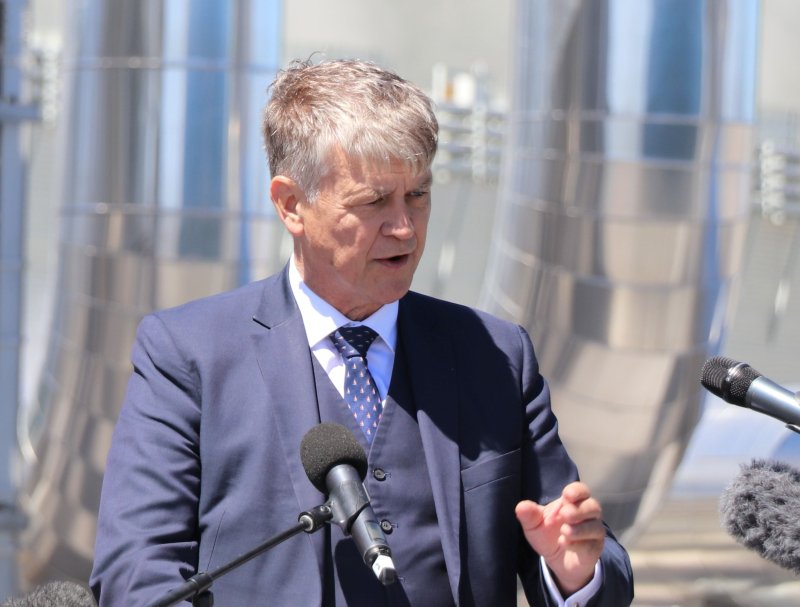
The chief executive of Contact Energy, Mike Fuge, has voiced concerns regarding bureaucratic obstacles that he believes are hindering the advancement of new electricity generation projects in New Zealand. Fuge emphasised that certain elements within the bureaucratic framework are causing significant delays in the sector’s efforts to expand and modernise its infrastructure.
As New Zealand grapples with the transition to a low-carbon economy, the urgency to increase electricity generation capacity has never been more pronounced. The country has ambitious goals to reach net-zero emissions by 2050, a target that necessitates a marked increase in renewable energy sources. However, Fuge argues that the current regulatory environment is not conducive to the rapid development required to meet these goals.
The electricity generation sector is under pressure to adapt to changing demand patterns, particularly as more households and businesses shift towards electric heating and transport. The increasing adoption of electric vehicles and the push for sustainable energy solutions are creating a pressing need for expanded generation capacity. Yet, Fuge contends that bureaucratic processes are slowing down the necessary investments in new projects, which could ultimately undermine New Zealand’s energy transition.
Fuge’s remarks come at a time when many countries are investing heavily in renewable energy to combat climate change and enhance energy security. Globally, nations are recognising the importance of reducing reliance on fossil fuels and transitioning to cleaner energy sources. This shift is evident in initiatives across Europe, North America, and parts of Asia, where governments are streamlining regulatory processes to facilitate quicker implementation of renewable energy projects.
In New Zealand, the government has set ambitious targets for renewable energy generation, aiming for 100 per cent renewable electricity by 2030. However, the pathway to achieving this goal is fraught with challenges. The current regulatory framework is often cited as a significant barrier to progress, with lengthy approval processes and complex compliance requirements contributing to delays in project development.
The situation highlights a broader issue within the energy sector, where the need for swift action is often at odds with bureaucratic inertia. Industry leaders, including Fuge, are calling for reforms that would simplify regulatory processes, making it easier for companies to invest in and develop new energy projects. By addressing these bureaucratic challenges, New Zealand could accelerate its transition to a sustainable energy future.
Furthermore, the global energy landscape is shifting, with countries increasingly competing for investments in renewable technologies. As nations strive to become leaders in the green energy sector, the ability to streamline processes and encourage innovation will be crucial. New Zealand’s energy sector must remain competitive on the world stage, and addressing bureaucratic delays is a vital step in that direction.
In addition to regulatory reforms, there is a growing recognition of the need for collaboration between government, industry, and communities. Engaging with local stakeholders can facilitate smoother project approvals and ensure that new developments are aligned with community interests. Fuge advocates for a more collaborative approach that incorporates the perspectives of various stakeholders, including local communities, to foster a more conducive environment for energy generation projects.
As New Zealand navigates its energy transition, it is imperative that the country seizes the opportunity to modernise its electricity generation capacity. By addressing the bureaucratic challenges that currently impede progress, New Zealand can position itself as a leader in renewable energy and contribute to global efforts to combat climate change.