

























































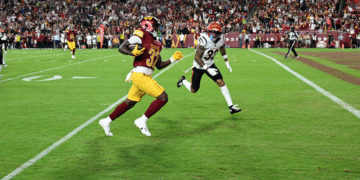

Andrew Webster, head coach of the New Zealand Warriors, has expressed his disappointment regarding the three-week suspension handed to forward Jackson Ford. The ban, which follows Ford’s involvement in a recent incident during a match, has sparked discussions about the consistency of disciplinary measures within the sport.
Ford’s suspension comes at a time when the National Rugby League (NRL) is under scrutiny for its approach to player conduct and punishment. The Warriors believe that the sanction is disproportionately severe, particularly in light of other recent disciplinary decisions that appear to have been more lenient.
Webster’s comments highlight a growing concern among teams and players regarding the transparency and fairness of the NRL’s disciplinary processes. In professional sports, consistency in officiating and punishment is crucial to maintaining the integrity of the game. The Warriors coach suggested that the disparity in penalties could undermine trust in the league’s ability to administer justice fairly.
The NRL has faced similar challenges in the past, with players and clubs often questioning the rationale behind certain bans. This situation is compounded by the fact that the league’s policies and enforcement can seem arbitrary, leading to confusion among players and fans alike. Inconsistent applications of the rules can lead to frustration, particularly when players feel that they are being treated unfairly compared to others who have committed similar offences.
As the Warriors prepare for their upcoming matches without Ford, the team will need to strategise effectively to compensate for the loss of one of their key players. Ford’s absence will undoubtedly be felt on the field, as he has been a significant contributor to the Warriors’ performance this season.
The league’s decision to impose a lengthy suspension on Ford also raises questions about player safety and the measures taken to protect athletes during games. The NRL has increasingly focused on player welfare and the impact of head injuries, leading to stricter regulations around dangerous tackles and foul play. However, the application of these rules remains a contentious issue.
As the Warriors navigate this challenging period, the conversation surrounding Ford’s suspension and the league’s disciplinary framework is likely to continue. Fans and analysts will be closely monitoring how the NRL addresses these concerns in the future, particularly as the season progresses and tensions mount over officiating decisions.
In a broader context, the situation reflects ongoing debates in professional sports regarding the balance between enforcing rules, ensuring player safety, and maintaining fairness in competition. As leagues worldwide grapple with these issues, the NRL’s handling of player conduct and penalties will be scrutinised closely, with the potential for lasting implications on how the sport is governed.
As the Warriors look to regroup and focus on their upcoming fixtures, the impact of this suspension will resonate beyond the immediate implications for team performance. The outcome of these discussions may ultimately shape the future of player discipline in the NRL and influence how similar issues are managed across other professional sports leagues.