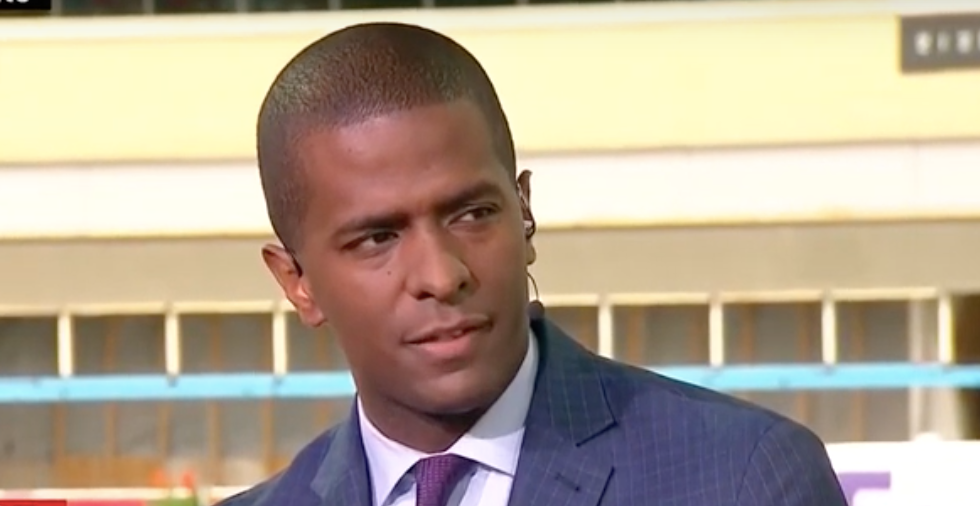








































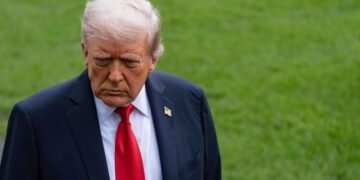



















In a recent discussion, political commentator Bakari Sellers posed a pointed question to Republican representatives regarding President Donald Trump’s approach to Russian President Vladimir Putin. Sellers challenged them to identify a specific threat that Trump had followed through on during his presidency that was aimed at Putin.
The exchange highlights ongoing debates within American politics about foreign policy, particularly concerning relations with Russia. Trump’s tenure is marked by a complex relationship with Moscow, characterised by both conciliatory gestures and contentious rhetoric. Critics have often accused Trump of being overly lenient towards Putin, especially in light of allegations of Russian interference in the 2016 presidential election, which Trump frequently downplayed.
Sellers’ inquiry underscores a broader concern among Democrats and some foreign policy experts about the effectiveness of Trump’s strategies in deterring Russian aggression. The concerns are particularly pertinent given Russia’s actions in Ukraine, which have escalated tensions between Moscow and the West. The conflict has drawn widespread condemnation and led to significant sanctions imposed on Russia by various nations, including the United States.
The conversation around Trump’s policies towards Russia is emblematic of a larger partisan divide in the United States. While some Republicans continue to support Trump’s approach, viewing it as a pragmatic way to engage with a powerful adversary, others within the party have begun to question the wisdom of such a strategy, especially in light of Russia’s recent military aggressions.
Sellers’ remarks also reflect a growing sentiment among some voters who are increasingly concerned about national security and the implications of foreign policy decisions. As geopolitical tensions rise, the electorate may demand clearer stances from candidates on how they intend to navigate relations with adversarial nations.
In the backdrop of this political discourse, the United States finds itself at a critical juncture regarding its foreign policy direction. The Biden administration took a more assertive stance against Russia, that aimed to rally international allies to counteract Russian influence and aggression.
As political figures and commentators continue to engage in discussions about Trump’s legacy and its implications for future foreign policy, the question posed by Sellers remains relevant: what concrete actions can be cited that demonstrate a commitment to countering threats posed by adversaries like Putin?