






















































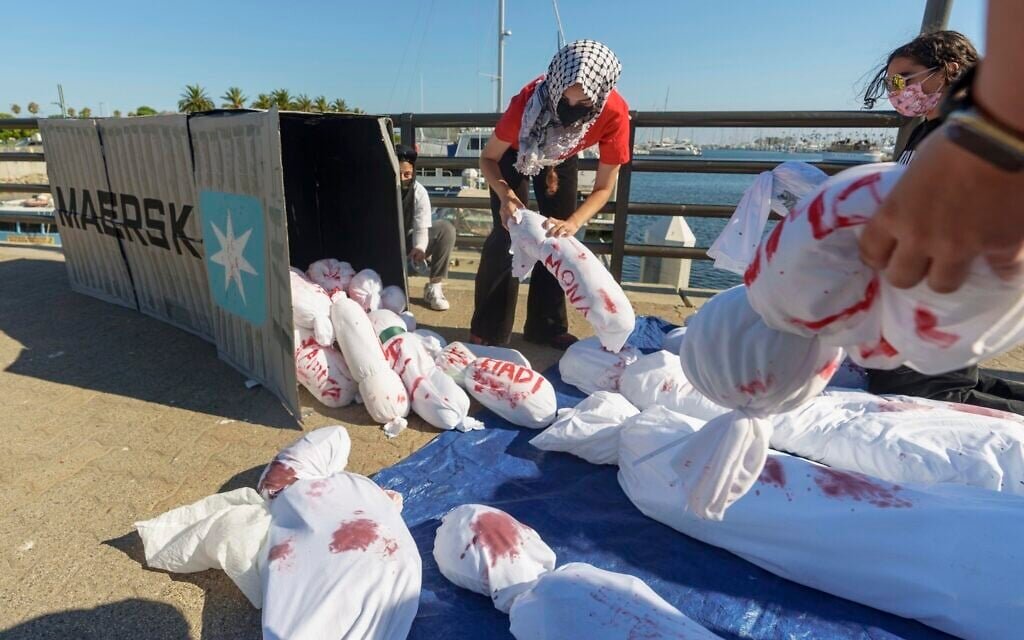
In a growing movement across European ports, longshoremen are taking action to impede the shipment of weaponry and components destined for Israel, amid the ongoing conflict in Gaza. This initiative is part of a broader protest against the military actions undertaken by Israel, particularly in light of the humanitarian crisis unfolding in the region.
The movement has garnered support from various groups, including the Houthis in Yemen and certain governmental bodies, who view halting these shipments as a means of demonstrating solidarity with the Palestinian cause. The longshoremen, primarily organised through trade unions, are employing various tactics to disrupt the logistics of arms transfers, reflecting widespread concerns about the implications of military support for Israel in the context of the Gaza conflict.
Despite these efforts, Israeli officials assert that the disruptions have not significantly impacted their supply chains. They maintain that the provision of military supplies remains steady, suggesting that the measures taken by the dock workers have yet to create substantial ripples in the operational capacity of the Israeli military.
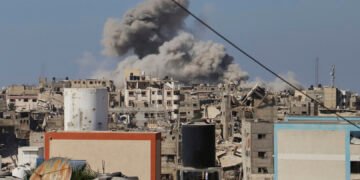
The conflict in Gaza, which has escalated dramatically in recent months, has drawn international attention and condemnation. Casualties have soared, and the humanitarian situation has become increasingly dire, prompting calls for action from various global actors. As protests and demonstrations continue to erupt in cities around the world, this latest initiative by European longshoremen highlights the intersection of labour activism and international political issues.
The longshoremen’s efforts are not isolated; they reflect a growing trend among workers in various sectors to engage in political activism related to global conflicts. In recent years, there has been a notable rise in solidarity movements within the labour community, with workers advocating for ethical considerations in their operations and the wider implications of their industries.
As the situation in Gaza remains fluid, the role of international supply chains in the conflict is under scrutiny. The flow of arms and military equipment has become a contentious issue, with activists arguing that such shipments contribute to the escalation of violence and suffering in the region. By attempting to block these shipments, the dock workers are making a statement about the responsibilities of nations and companies involved in arms trading.
The response from European governments has been mixed, with some expressing concern over the actions of the longshoremen while others have remained silent. The complexities of international arms trade regulations and the legal frameworks governing such shipments complicate the situation further. While the longshoremen’s actions are seen as a form of protest, they also raise questions about the legality and ethics of obstructing commercial activities tied to national security.
As the protests continue to unfold, the longshoremen’s movement may inspire similar actions in other sectors and regions, signifying a potential shift in how labour movements engage with international issues. The impact of these developments on the broader political landscape remains to be seen, but the commitment of these workers to take a stand against arms shipments reflects a growing awareness of the interconnectedness of global conflicts and local labour rights.