


























































In a significant development amidst ongoing hostilities in Gaza, a source affiliated with Hamas has indicated that the militant group has accepted certain terms for a ceasefire. This move is seen as a potential step towards de-escalating the conflict that has persisted for several weeks, claiming numerous lives and displacing thousands.
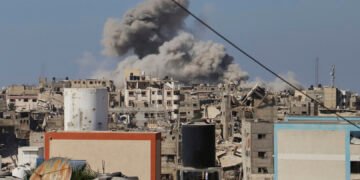
The agreement on ceasefire terms comes as international pressure mounts for a resolution to the violence, which has drawn widespread condemnation and concern from various global leaders and humanitarian organisations. The situation in Gaza has deteriorated dramatically, with extensive damage to infrastructure and a humanitarian crisis unfolding as basic necessities become increasingly scarce.
The conflict, which has seen fierce exchanges of fire between Hamas and Israeli forces, has resulted in significant casualties on both sides. The toll on civilians has been particularly severe, with reports indicating that many families have been caught in the crossfire. The United Nations and various non-governmental organisations have been vocal in their calls for an immediate ceasefire to allow for humanitarian relief efforts and to protect non-combatants.
While the details of the agreed terms have not been fully disclosed, the announcement is expected to be welcomed by those advocating for peace in the region. The potential for a ceasefire raises hopes for a return to dialogue and negotiations aimed at addressing the underlying issues that have fuelled the conflict for decades.
Historically, ceasefires in the Israeli-Palestinian conflict have been fragile and often short-lived, with previous agreements frequently collapsing amid renewed hostilities. The complexity of the situation is exacerbated by deep-rooted political, social, and territorial disputes that have persisted since the mid-20th century.
As the world watches closely, the humanitarian situation in Gaza remains dire. Interventions by international bodies are critical in ensuring that aid reaches those in need and in facilitating discussions aimed at a more sustainable peace. The prospect of a ceasefire, if properly implemented, could offer a glimmer of hope for a lasting resolution to the ongoing violence and suffering experienced by civilians in the region.
The coming days will be crucial as stakeholders assess the implications of this development and whether it can pave the way for a broader dialogue aimed at addressing the longstanding tensions between Israelis and Palestinians.