








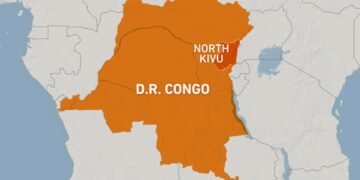












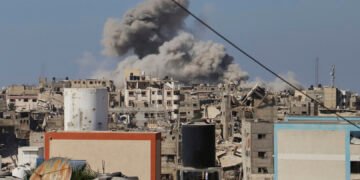
























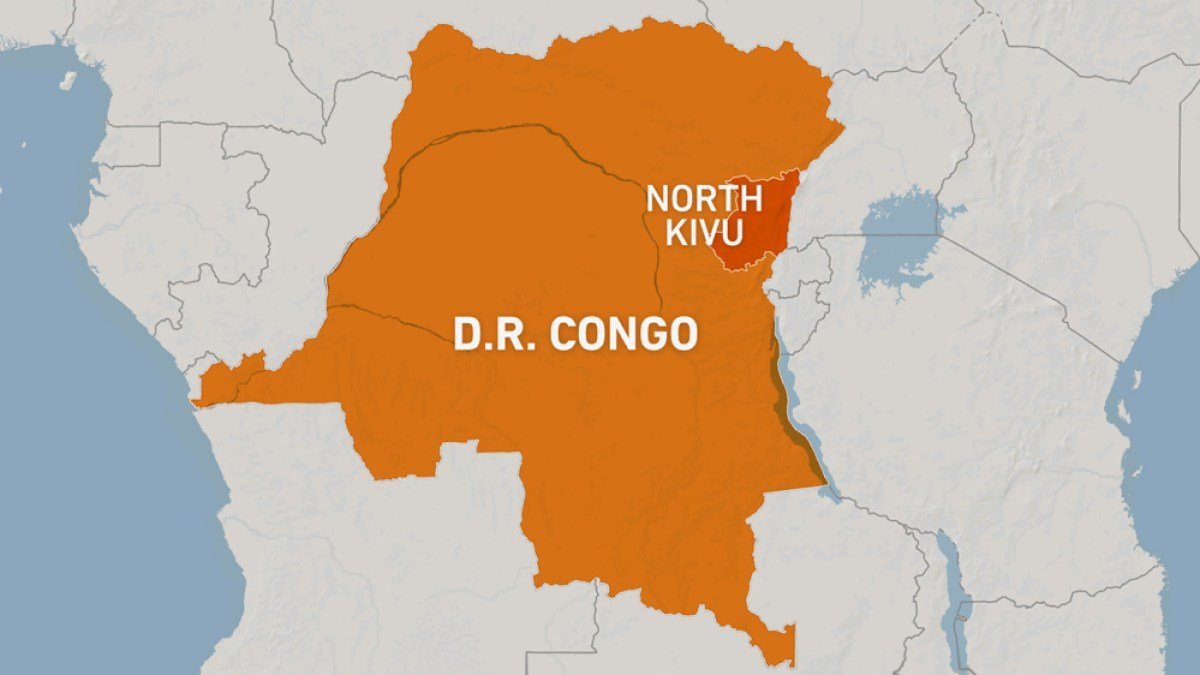
Reports from the United Nations indicate that at least 52 individuals have lost their lives due to violent attacks carried out by the Allied Democratic Forces (ADF), a militant group with links to the Islamic State. This tragic incident occurred in the eastern region of the Democratic Republic of Congo (DRC), an area that has been plagued by conflict for many years.
The ADF, originally formed in Uganda in the late 1980s, has been responsible for numerous acts of violence in both Uganda and the DRC. Over the past decade, the group has increasingly aligned itself with ISIL, further complicating the security situation in the region. The recent attacks underline the ongoing threat posed by the ADF, which has been known for its brutal tactics, including massacres, kidnappings, and the use of child soldiers.
The United Nations Organisation Stabilisation Mission in the Democratic Republic of the Congo (MONUSCO) has condemned these latest assaults “in the strongest possible terms.” MONUSCO, established in 2010, aims to support the DRC in maintaining peace and security, but the persistence of violence and instability in eastern Congo has raised questions about the effectiveness of international efforts in the region.
Eastern DRC is rich in natural resources, including gold, diamonds, and coltan, a mineral used in electronics. However, this wealth has often been a double-edged sword, fuelling conflict as various armed groups vie for control over lucrative mining areas. The local population has suffered immensely, with many communities caught in the crossfire between government forces and various rebel factions.
The recent surge in violence has prompted calls for increased international attention and intervention. Humanitarian organisations have reported a growing number of internally displaced persons (IDPs) as civilians flee their homes to escape the fighting. Many of these individuals face dire conditions, lacking access to basic necessities such as food, clean water, and healthcare.
The DRC government has been struggling to maintain control over its territory, particularly in the eastern provinces, where numerous armed groups operate. Efforts to disarm and reintegrate these factions into society have met with limited success, and many communities continue to live in fear of attacks. The situation is further complicated by the presence of foreign armed groups and the involvement of regional powers, which have historically played a role in the conflict.
As the humanitarian crisis deepens, the international community faces a pressing need to address the root causes of the violence. Analysts argue that a comprehensive approach is necessary, one that goes beyond military solutions and includes economic development, community reconciliation, and the strengthening of local governance. Without such efforts, the cycle of violence may persist, and the suffering of the Congolese people will continue.