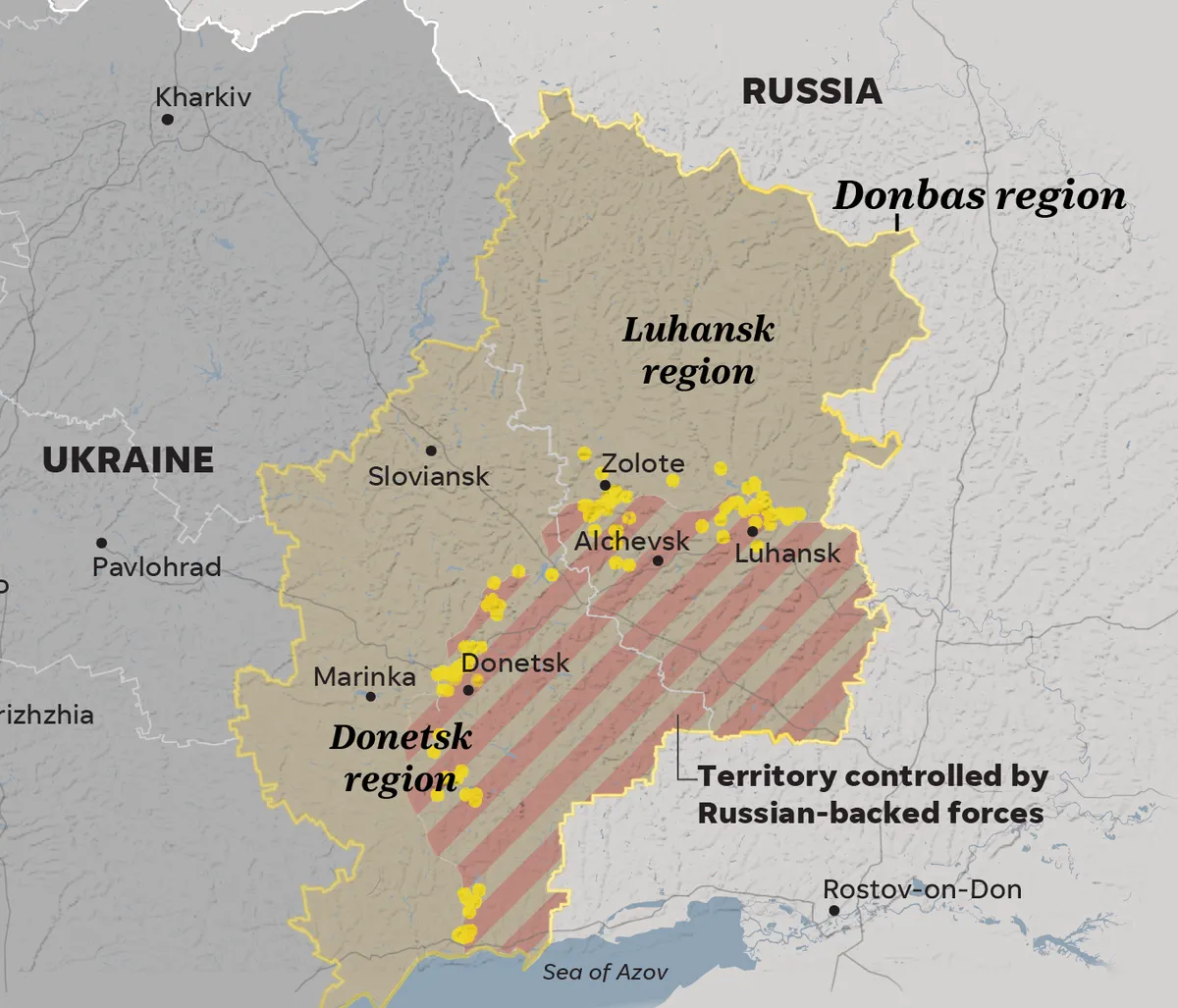


















































Recent analysis from the Institute for the Study of War (ISW) suggests that Russia’s ambitions to fully annex the Donetsk region of Ukraine are contingent on a significant withdrawal of Ukrainian forces. Despite over a decade of military engagement in eastern Ukraine, Russian forces have yet to secure complete control over the Donbas region, which includes Donetsk and Luhansk.
The backdrop of this conflict dates back to 2014, when Russia annexed Crimea and pro-Russian separatists declared independence in parts of Donetsk and Luhansk, sparking a war that has resulted in significant loss of life and displacement. The Donbas has since become a focal point of military operations, with both sides engaging in fierce battles over territory.
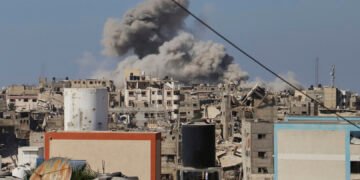
The ISW’s findings highlight the complexities of the current situation. While Russia has made some territorial gains, it has struggled to consolidate its control in the Donetsk region. The ongoing conflict is characterised by a series of offensives and counter-offensives, with Ukrainian forces demonstrating resilience in defending their territory.
The report indicates that for Russia to achieve its goal of full control over Donetsk, it would require not only military success but also a strategic withdrawal of Ukrainian troops from the area. This scenario raises questions about the feasibility of any potential peace negotiations, as the current dynamics suggest that neither side is willing to concede significant ground without substantial guarantees.
As the war continues, the humanitarian impact on the civilian population remains dire. Thousands have been killed, and millions have been displaced, with many residents facing dire living conditions. The international community has largely condemned Russia’s actions, with numerous countries imposing sanctions and providing military and humanitarian assistance to Ukraine.
The conflict’s persistence highlights the challenges of achieving a lasting resolution. Diplomatic efforts have been intermittent, with various attempts at ceasefires and peace talks often failing to hold. The situation remains fluid, with both sides preparing for continued confrontations as winter approaches, which could further complicate the battlefield dynamics.
In the broader context, the war in Ukraine has significant implications for European security and international relations. It has prompted NATO to bolster its eastern flank and reassess its strategies in response to perceived threats from Russia. Additionally, the conflict has influenced energy policies across Europe, as countries seek to reduce reliance on Russian gas and diversify their energy sources.
As the situation evolves, the prospects for peace remain uncertain. The ISW’s analysis serves as a reminder of the complexities facing both Ukraine and Russia, as well as the broader geopolitical ramifications of this ongoing conflict.