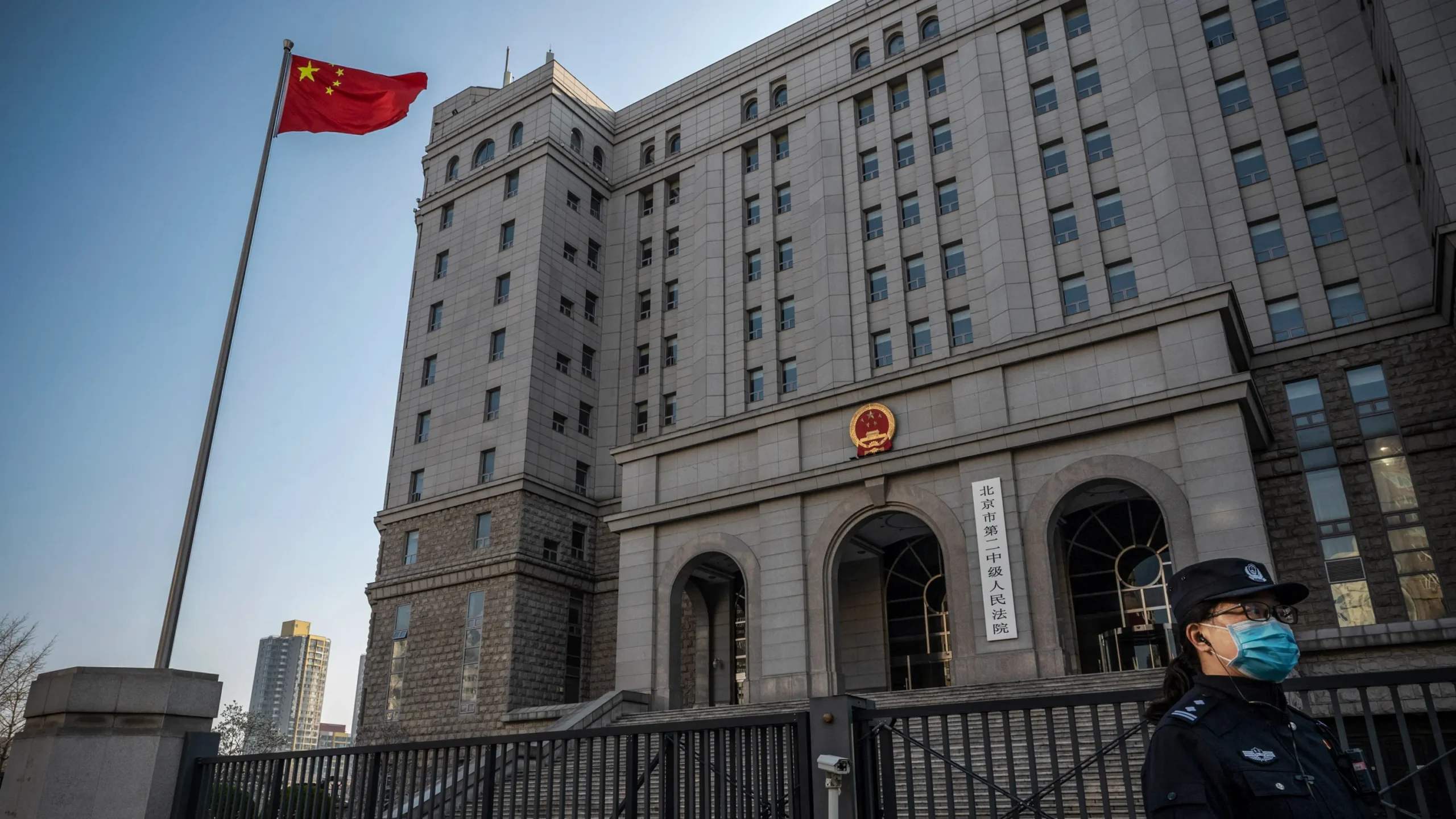





























































A Chinese court has handed down prison sentences to nine individuals involved in a sophisticated telecom fraud operation that defrauded more than 66,000 people in India, stealing a total of 517 million Indian rupees (approximately $6.2 million USD). The perpetrators received varying prison terms and were also fined, according to a report by Legal Daily.
The criminal operation was led by a suspect identified by the surname He, who masterminded the scheme using false investment platforms and assumed identities to execute romance-based scams targeting Indian nationals.
In May 2023, He leased office space in Heze, a city in Shandong Province, where the group set up their fraudulent enterprise. The team recruited members, secured overseas servers, and created elaborate scripts and fake online personas to deceive their victims. He was reportedly in charge of overseeing operations, coordinating financial flows, and managing connections with Indian companies.
One co-defendant, surnamed Chen, was responsible for maintaining the syndicate’s payment channels. Others were tasked with managing staff and developing persuasive communication strategies to lure targets. Some members acted as “trainers” to ensure the fraud was executed with precision.
He admitted in court that the group enticed victims by posing as investment advisers on social media and messaging apps, promoting a fake platform called SENEE that promised monthly returns of 8 to 15 percent on modest investments starting at 1,000 rupees (roughly $12 USD). As the platform attracted more deposits, the team would shut it down or freeze funds by claiming a conversion of debt into equity, thus cutting off access to the money.
The stolen funds were funneled through third-party payment processors and converted into cryptocurrency, primarily USDT (Tether), before being exchanged for Chinese yuan or U.S. dollars. The fraudsters allegedly pocketed a 15 percent commission from each transaction.
In court, a co-conspirator surnamed Li revealed how she pretended to be a successful Indian woman investor on social platforms, cultivating romantic connections with Indian men to coax them into putting money into SENEE. Fake social media profiles were populated with photos showing luxurious lifestyles, workout routines, and travel adventures, all tagged in Indian locations to appear authentic.
To enhance their credibility, the group also fabricated legal and business documents—such as trademark certificates and financial licenses—which they posted on seemingly official websites.
The scam was carried out between June 2023 and January 2024, defrauding nearly 67,000 individuals across India within just over seven months, according to the court’s findings.
The court described the operation as a highly organized and profit-driven criminal enterprise, with clearly defined roles and a professional hierarchy. The nine defendants were convicted of cyber fraud and related charges, receiving prison terms ranging from five years to nearly 15 years, along with financial penalties.
Judge Liu Xilei, who presided over the case, emphasized that Chinese authorities are intensifying their crackdown on telecom and internet fraud. He urged those involved in similar activities to stop immediately and turn themselves in, as voluntary surrender could be taken into account during sentencing.