












































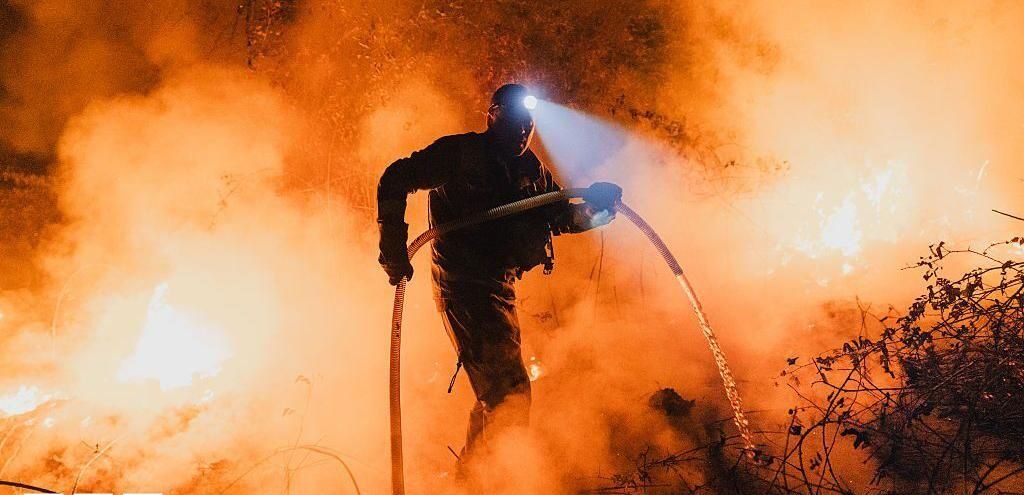
Wildfires in Spain and Portugal have intensified, resulting in the tragic loss of two more lives as emergency services continue to battle the flames. The situation has prompted Spain to deploy an additional 500 troops to assist with firefighting efforts, bringing the total number of military personnel engaged in the operation to 1,900.
The wildfires have primarily affected the regions of Galicia in northwest Spain and the Algarve in southern Portugal, where extreme heat and prolonged drought conditions have created a tinderbox environment. These natural disasters have not only devastated local ecosystems but have also forced thousands of residents to evacuate their homes, as authorities issue warnings about the rapid spread of the flames.
In Spain, the deployment of military personnel is part of a larger strategy to combat the wildfires, which have been exacerbated by climate change. The Spanish government has been under increasing pressure to take decisive action as the frequency and intensity of wildfires have risen dramatically in recent years. Spain experienced one of its hottest summers on record in 2022, setting the stage for a particularly severe wildfire season.
In Portugal, the government is similarly grappling with the challenges posed by wildfires. The country has seen an uptick in fires this year, with officials attributing the phenomenon to a combination of high temperatures, dry conditions, and a lack of rainfall. The Portuguese authorities have responded by mobilising firefighters and emergency services, while also seeking assistance from neighbouring countries to bolster their firefighting capabilities.
The situation in southern Europe is reflective of broader climatic changes affecting the Mediterranean region. Experts warn that rising temperatures and shifting weather patterns are likely to lead to increased occurrences of wildfires, posing significant risks to both human life and biodiversity. The European Union has been proactive in addressing these challenges, implementing strategies aimed at improving forest management and enhancing the capacity of member states to respond to natural disasters.
As the fires continue to rage, both Spain and Portugal are grappling with the immediate consequences of the wildfires, as well as the long-term implications for their environments and economies. Agriculture, tourism, and local communities are among the sectors facing significant disruption as the fires threaten livelihoods and natural resources.
The situation remains fluid, with firefighters working tirelessly to contain the blazes amidst challenging conditions. The commitment of both Spanish and Portuguese authorities, alongside international support, will be crucial in managing the ongoing crisis. As the region faces the dual challenges of climate change and natural disasters, the need for coordinated efforts and sustainable practices becomes increasingly urgent.