




























































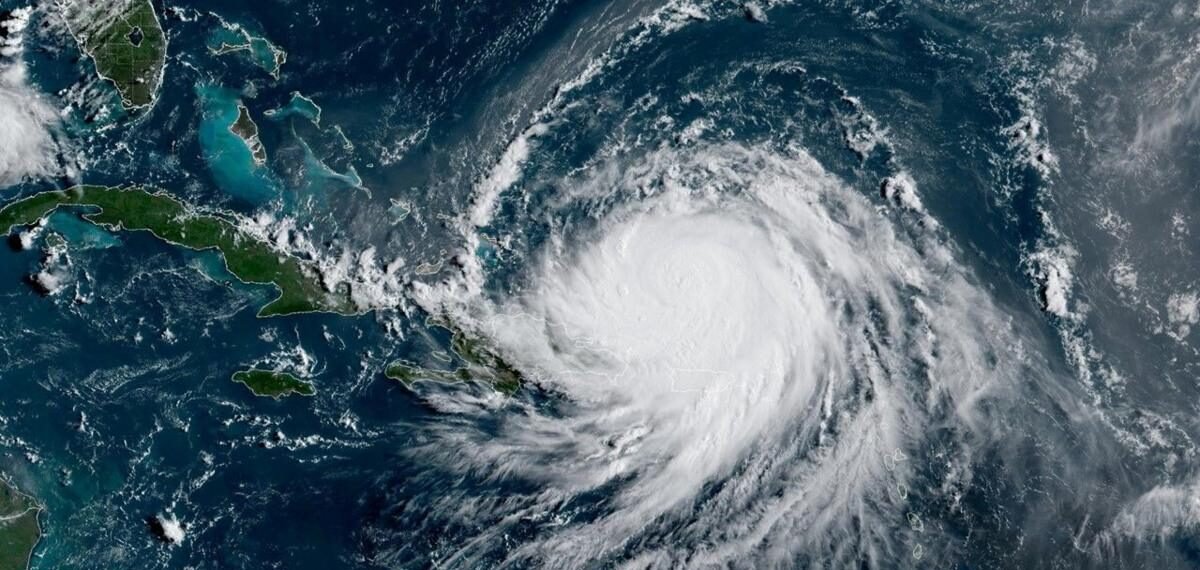
As Hurricane Erin moves across the Atlantic, attention is turning to whether its remnants will affect the weather in the United Kingdom. This storm, which has garnered significant media attention due to its path and intensity, is now transitioning into a post-tropical cyclone. While the most severe impacts are expected to diminish as the storm progresses, the remnants could still have repercussions for weather patterns in the UK.
Hurricane Erin formed in the eastern Atlantic and exhibited rapid intensification, which is characteristic of many storms in this region during the late summer months. As it travels north-east, it is likely to weaken considerably. However, the influence of such storms can still be felt far from their origin. Meteorologists are closely monitoring Erin’s trajectory and its potential interaction with the prevailing weather systems in Europe.
The UK often experiences changes in weather patterns as a result of Atlantic storms, particularly during the autumn months. The remnants of hurricanes and tropical storms can lead to increased rainfall, strong winds, and changes in temperature. This is partly due to the energy and moisture these systems bring with them, which can contribute to unsettled weather conditions.
Current forecasts suggest that as Erin continues its journey, it may merge with a frontal system moving across the Atlantic. This interaction could lead to a surge of wet and windy weather across parts of the UK, particularly in western regions. Areas such as Wales and the west coast of Scotland may experience the brunt of this weather, with heavy rainfall and gusty winds expected.
While the immediate impacts of Hurricane Erin may not be as severe as those experienced in regions closer to its origin, such as the eastern United States, the potential for disruption in the UK is still present. Historical data shows that remnants of hurricanes can lead to significant weather events, including flooding and coastal erosion.
In the context of climate change, the increasing frequency and intensity of hurricanes have raised concerns about the future of weather patterns globally. The warming of ocean waters contributes to the strengthening of these storms, and as they move towards higher latitudes, their remnants can interact with different weather systems, leading to unpredictable outcomes. This phenomenon underscores the importance of continued monitoring and research into the long-term impacts of climate change on weather patterns.
As the UK prepares for the possible effects of Hurricane Erin, it is essential for residents to stay informed and be aware of any weather warnings issued by the Met Office. Preparedness is key, particularly in regions that may experience heavy rainfall and strong winds, which could lead to localised flooding and travel disruptions.