












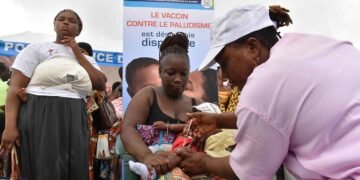
















































The Africa Centres for Disease Control and Prevention (Africa CDC) has announced the introduction of a new malaria treatment specifically designed for infants, which it describes as a significant breakthrough in the ongoing battle against this deadly disease. This development comes at a critical time, as malaria continues to pose a severe public health challenge across the continent, particularly affecting vulnerable populations such as young children.
Malaria, transmitted through the bites of infected female Anopheles mosquitoes, remains a leading cause of morbidity and mortality in Africa. According to the World Health Organization (WHO), the region accounted for approximately 234 million malaria cases and 627,000 deaths in 2020, with children under five years old being disproportionately affected. These alarming statistics highlight the urgent need for effective treatments tailored to the youngest and most susceptible members of the population.
The new treatment represents the first licensed malaria medication specifically aimed at infants, addressing a critical gap in current therapeutic options. Previous treatments have primarily been formulated for older children and adults, leaving infants with limited choices during a time when they are particularly vulnerable to severe complications from the disease. With this new approach, healthcare providers will be better equipped to manage cases in the youngest patients, potentially reducing the incidence of severe malaria and associated fatalities.
The Africa CDC’s endorsement of this treatment underscores a broader commitment to enhancing healthcare resources and strategies in the fight against malaria. The organisation has been actively involved in various initiatives aimed at improving disease prevention, control, and treatment across the continent. The introduction of this infant-specific medication aligns with the Africa CDC’s goals to strengthen health systems and ensure equitable access to life-saving interventions.
In addition to the immediate benefits of this new treatment, it is expected to contribute to long-term efforts to reduce malaria transmission rates across Africa. The availability of effective treatments is crucial in combination with preventive measures such as insecticide-treated bed nets, indoor spraying, and community health education. These integrated approaches are essential for tackling the complex factors that contribute to malaria’s persistence, including environmental conditions, healthcare access, and socio-economic challenges.
The significance of this development extends beyond the immediate health implications. It reflects ongoing advancements in medical research and the importance of investing in innovative solutions to combat infectious diseases. As the global health community continues to respond to the challenges posed by malaria, this new treatment for infants may serve as a catalyst for further research and development of tailored interventions that address the unique needs of different age groups.
Moreover, the introduction of this treatment highlights the role of international collaboration in addressing public health crises. The research and development processes involved in bringing this medication to market would have required extensive partnerships among governments, non-governmental organisations, and pharmaceutical companies. Such collaborations are vital for ensuring that new treatments are not only effective but also accessible to those who need them most.
As the world continues to grapple with the impact of malaria, particularly in Africa, the introduction of this new treatment for infants is a promising development. It offers hope for improved health outcomes for the youngest members of society, who are often the most affected by this preventable and treatable disease. The Africa CDC’s recognition of this advancement is a reminder of the importance of sustained efforts to combat malaria and the ongoing need for innovation in healthcare solutions.
In conclusion, the emergence of a targeted malaria treatment for infants marks a pivotal moment in public health efforts across Africa. By addressing the specific needs of the most vulnerable populations, this development not only enhances treatment options but also reinforces the commitment to reducing the burden of malaria on the continent. As healthcare systems continue to evolve and adapt, the introduction of such innovations will be crucial in the fight against infectious diseases and the promotion of healthier futures for children in Africa and beyond.