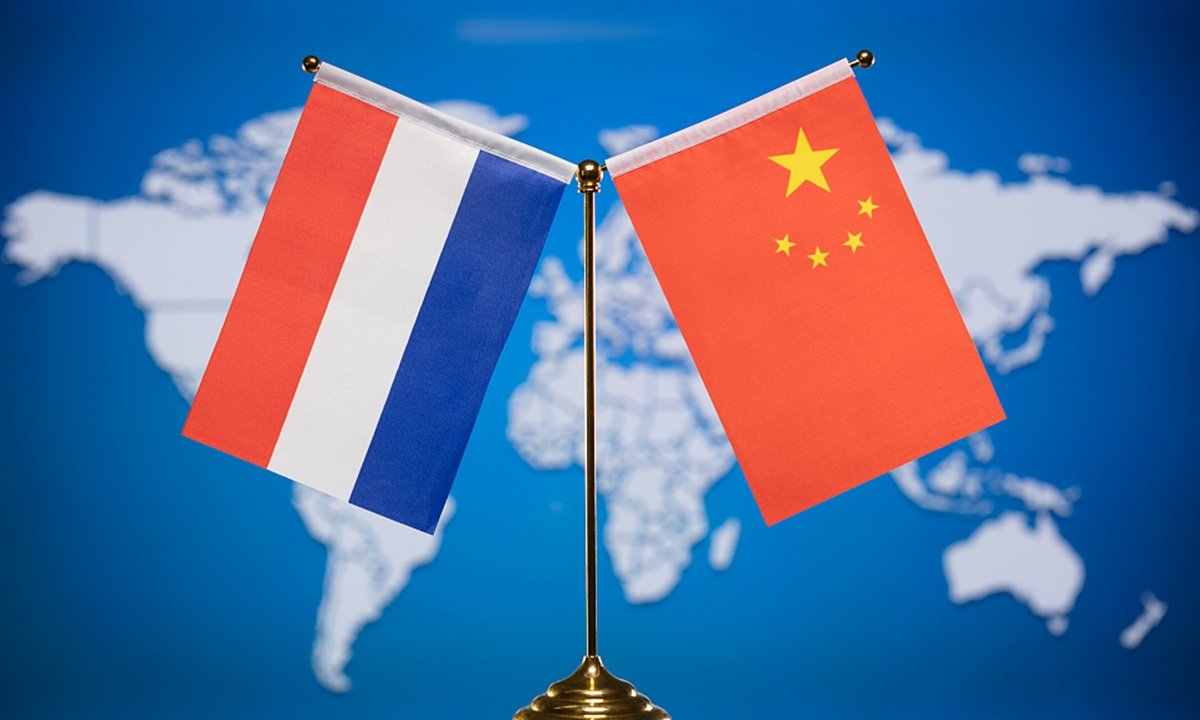

















































The Chinese Embassy in the Netherlands has strongly objected to a series of motions passed recently by the Dutch House of Representatives, calling them unwarranted interference in China’s domestic affairs. The motions, which addressed sensitive topics related to Taiwan, Xinjiang, and Tibet (Xizang), were described by the embassy as misrepresentations of facts and unjustified criticism of China’s internal matters.
In a statement released Friday night via the embassy’s official WeChat account, a spokesperson expressed “strong dissatisfaction and firm opposition” to the resolutions, arguing that they promote false narratives and support separatist agendas under the guise of human rights and democracy.
The embassy emphasized that the issue of Taiwan remains central to China’s core interests and warned that the motions crossed a diplomatic red line. It reiterated that the one-China principle is an internationally recognized norm and a foundational element of diplomatic ties between China and the Netherlands.
“We call on the Dutch side to fully grasp the sensitivity surrounding the Taiwan issue, acknowledge the destabilizing role of separatist forces advocating for Taiwan independence, and strictly uphold the one-China policy,” the spokesperson said.
Regarding Xinjiang, the embassy dismissed allegations of “forced labor” and “genocide” as entirely baseless and politically motivated. It emphasized that Xinjiang is an integral part of China and has never historically been referred to as “East Turkestan,” rejecting the term as a fabrication used to fuel separatist narratives. The statement described the region as currently enjoying social harmony, economic progress, and improved quality of life for its residents.
On the subject of Tibet, the embassy reiterated that the 14th Dalai Lama is a political exile and not a legitimate representative of the Tibetan people. It noted that religious practices such as the reincarnation of Tibetan Buddhist lamas, including the Dalai Lama, must be conducted in accordance with traditional procedures and Chinese law. The process includes identification within China, drawing lots from the golden urn, and receiving official approval from the central government.
The embassy urged the Dutch government to take into account the broader relationship between China and the Netherlands and to avoid further missteps that could strain diplomatic and economic ties. “We hope the Dutch side will correct its mistaken approach to these issues and contribute constructively to the healthy development of bilateral cooperation,” the spokesperson added.