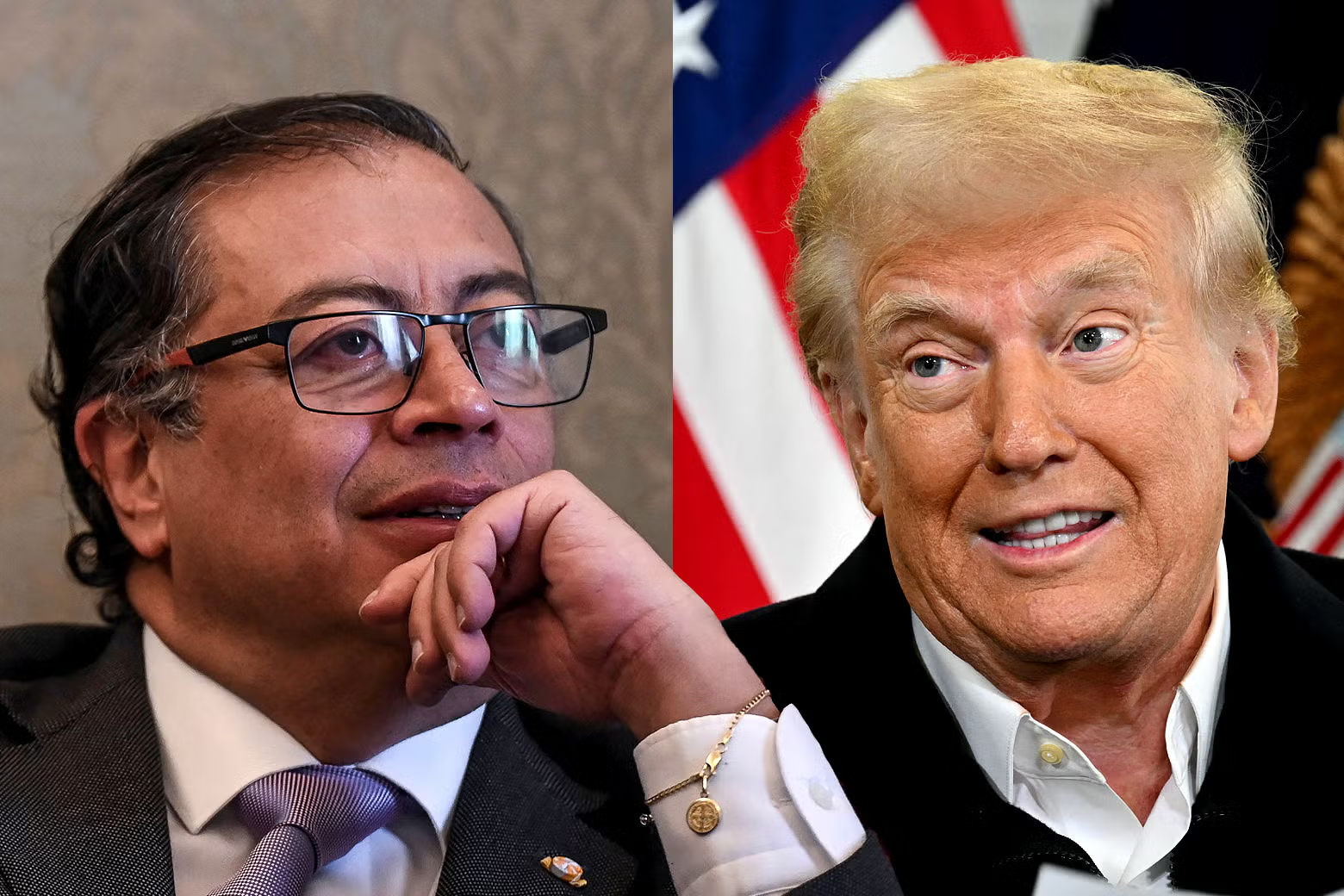












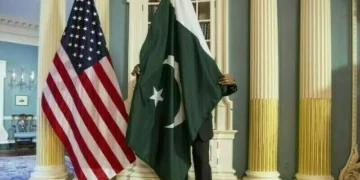

























The first week of the global trade shake-up triggered by President Donald Trump’s sweeping tariffs has sent shockwaves through Colombia. While the full economic impact remains to be seen, concern is mounting over the future of the 2012 Free Trade Agreement (FTA) between the two nations. With a new 10% tariff imposed on all imports—including those from Colombia—Bogotá is now confronting the reality that its preferential access to the U.S. market is no longer guaranteed.
President Gustavo Petro’s administration is reassessing its diplomatic and economic approach to Washington. Although the tariffs were introduced with a 90-day suspension period for Latin American countries, questions linger over what will happen once that window closes.
Experts in international trade and law suggest the legal strength of the FTA has significantly weakened. According to former Colombian Commerce Minister Luis Carlos Reyes, Washington’s decision violates the terms of the agreement. “It’s not even up for debate. The U.S. is breaking the treaty in a way that’s directly harmful to Colombia,” he said, adding that the event has revealed how fragile international agreements can be when political interests take priority.
The Trump administration has justified its actions by declaring a “national emergency” to protect American industries, invoking national security as a legal pretext for the tariffs. But legal scholars, including Gabriel Ibarra of Javeriana University, challenge the legitimacy of this reasoning. “The WTO has traditionally interpreted national security exceptions as applicable in scenarios of war or internal upheaval—not trade imbalances,” Ibarra said.
From an international perspective, the implications are broader. Economist Hernando José Gómez, who helped negotiate Colombia’s FTA with the U.S., warns that the erosion of global trade norms could destabilize long-standing commercial relationships. “What the U.S. is doing may be legally debatable, but the bigger issue is that the WTO has never clearly defined what constitutes a national security threat,” he explained.
The World Trade Organization, already criticized for its sluggishness in resolving disputes, now appears even less capable of defending the principles of free trade. The situation has exposed the organization’s limited influence in an era where global powers increasingly sidestep multilateral rules in favor of unilateral decisions.
Despite the apparent breakdown of the tariff agreement, analysts caution that an FTA is more than just a tax policy—it includes provisions on labor, environmental protections, and investment. While the tariff chapter may be compromised, other parts of the treaty remain intact, at least for now.
Nevertheless, voices from within Petro’s administration are calling for a reevaluation of the agreement. Agricultural producers, in particular, argue that they’ve borne the brunt of unfavorable trade terms. Products like milk, corn, and rice have struggled to compete with U.S. imports, which flooded the Colombian market after tariff barriers were lifted. “We upheld our side of the deal, expecting increased access to U.S. markets. Now, we face a 10% tariff. It’s legitimate to ask: What are we still getting in return?” Reyes said.
That sentiment is gaining traction among Petro’s political allies, some of whom view this moment as an opportunity to renegotiate the FTA altogether. However, others advise restraint, noting that more than 75 countries are also lobbying the U.S. for exemptions from the tariffs. Colombia’s leverage, in such a crowded field, may be limited.
As Trump pushes an aggressive “America First” agenda aimed at revitalizing U.S. manufacturing, Colombia is being forced to reconsider its position in the global economic order. Legal expert Gabriel Ibarra suggests that in the face of eroding multilateralism, Colombia should explore alternative frameworks, such as regional or sector-specific alliances like the G20 or G7, to protect its interests.
With global trade norms increasingly uncertain and tensions mounting between governments, Colombia’s next move could redefine its long-term strategy—not just with the U.S., but with the wider international community.