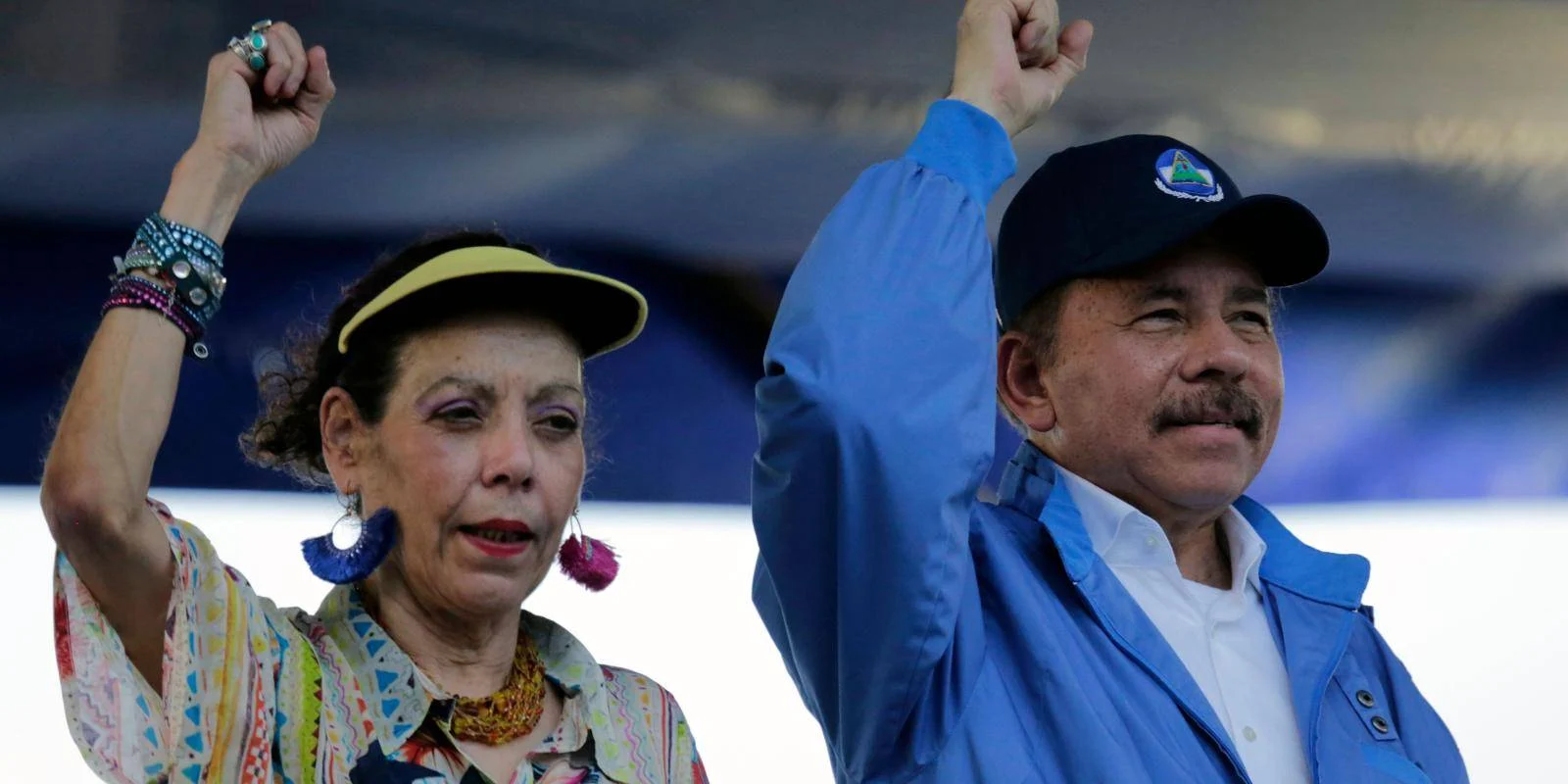















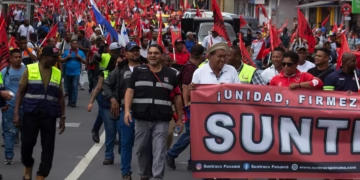
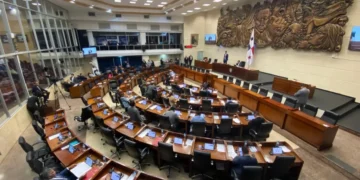









The United Nations has released a comprehensive report accusing 54 officials within Nicaraguan President Daniel Ortega’s administration of orchestrating a systematic campaign of repression and committing severe human rights violations. This 234-page document, compiled by the UN Group of Human Rights Experts on Nicaragua, sheds light on the mechanisms employed by the government to suppress dissent and consolidate power.
Unveiling a Coordinated Repression Apparatus
The report details how high-ranking officials, including military officers and members of the ruling party, played pivotal roles in implementing policies that led to arbitrary detentions, torture, extrajudicial executions, and the persecution of civil society and media outlets. These actions were not isolated incidents but part of a deliberate state policy executed through defined chains of command.
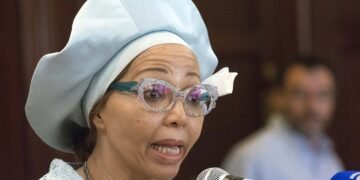
Ariela Peralta, one of the UN experts, emphasized, “What we uncovered is a tightly coordinated system of repression, extending from the presidency down to local officials.” This statement underscores the systematic nature of the abuses, highlighting the government’s intent to silence opposition and maintain control.
Centralization of Power and Erosion of Democratic Institutions
The report also highlights how President Ortega and his wife, Rosario Murillo—who serves as co-president following recent constitutional reforms—have centralized authority, effectively eroding the separation between the state and the ruling party. This consolidation has led to the co-option of all branches of government, eliminating checks and balances essential for democratic governance.
In February 2025, the UN expressed concerns over these developments, noting that Ortega’s regime had transformed Nicaragua into an authoritarian state devoid of independent institutions. The UN called for international intervention to address these violations and restore democratic processes in the country.
International Response and Sanctions
The international community has responded to these findings with condemnation and sanctions. In August 2023, the United States imposed travel bans on 100 Nicaraguan municipal officials accused of repressing civil society and closing civic spaces, including the seizure of the Central American University (UCA), a Jesuit institution.
Furthermore, in August 2024, the Nicaraguan government outlawed 1,500 non-governmental organizations, accusing them of legal violations. This move was part of a broader crackdown on civil society groups perceived as hostile by President Ortega.
Nicaragua’s Withdrawal from the UN Human Rights Council
In a defiant move, Nicaragua announced its withdrawal from the United Nations Human Rights Council in February 2025. Vice President Murillo described the decision as “sovereign and irrevocable,” rejecting the UN’s allegations as “falsehoods” and “slander.” This withdrawal signifies a further retreat from international oversight and accountability.
Escalation of Repressive Measures
The government’s repressive tactics have intensified over time. In January 2025, Nicaragua established a “volunteer” police force by swearing in over 1,400 masked civilians. Critics argue that this initiative effectively institutionalizes a paramilitary force loyal to Ortega’s government, raising concerns about increased state-sponsored violence against dissenters.
Human rights organizations have documented extensive abuses. Over the past seven years, at least 229 political prisoners have reportedly been subjected to torture, including beatings, rape, and death threats. These findings contribute to the growing body of evidence suggesting that the Nicaraguan government is committing crimes against humanity.
Calls for Renewed International Oversight
Given the escalating human rights crisis, there have been calls for the UN Human Rights Council to renew the mandate of the Group of Human Rights Experts on Nicaragua. Human Rights Watch emphasized the importance of this renewal, stating it is crucial as the government intensifies its repression.
The UN’s report provides a damning indictment of President Ortega’s administration, detailing a systematic and coordinated effort to suppress opposition and dismantle democratic institutions. The international community faces the challenge of responding effectively to these findings to support the restoration of human rights and democracy in Nicaragua.